
Key Takeaways
- Identify Odor Sources: Common causes of kitchen sink odors include trapped food residue, grease buildup, mold, drain flies, and sewer gas from a dry P-trap.
- Establish a Cleaning Routine: Regular cleaning prevents odors, reduces health risks, and improves the overall appearance and functionality of your kitchen sink.
- Use Natural Cleaning Solutions: Ingredients like baking soda, white vinegar, lemon juice, and salt effectively neutralize odors and break down grime without harsh chemicals.
- Follow a Step-by-Step Cleaning Guide: Thoroughly clean your sink by removing debris, treating the drain with baking soda and vinegar, and deep cleaning the sink surface with natural scrubbing solutions.
- Implement Preventive Measures: Regular maintenance tips, such as flushing drains and using a sink strainer, help avoid future odors and pipe clogs.
- Practice Safe Disposal: Avoid disposing of certain foods, rinse plates before washing, and use a grease container to maintain a clean and odor-free kitchen sink.
Does your kitchen sink have an unpleasant odor that just won’t go away? You’re not alone. Many people face this common issue, often wondering how to tackle it without resorting to harsh chemicals or expensive cleaners.
Understanding Why Your Kitchen Sink Smells
Smelly kitchen sinks are common nuisances caused by various factors. Identifying the source of the odor can help you eliminate it effectively.
Common Causes of Foul Odors
- Food Residue: Small food particles can get trapped in the drain, especially if you don’t have a garbage disposal. These remnants break down and produce unpleasant smells.
- Grease Buildup: Oils and fats from cooking can accumulate in your sink and pipes, leading to clogs and odors. Grease hardens as it cools, creating blockages.
- Mold and Mildew: Organic matter and moisture in your sink can foster mold and mildew growth. This often results in musty odors, especially in damp environments.
- Drain Flies: These pests often breed in stagnant water and decaying food in drains. If you notice small flies, an odor from your sink may signal a larger issue.
- Sewer Gas: A dry P-trap, which traps water and prevents sewer gases from coming up, can lead to foul smells. If water evaporates, gases can seep through.
Importance of Regular Cleaning
Regular cleaning of your kitchen sink prevents odors from building up. Establishing a consistent cleaning routine helps maintain a fresh kitchen environment.
- Health Benefits: Removing bacteria and decaying food reduces health risks, preventing illnesses.
- Cost-Effective Maintenance: Keeping your sink clean minimizes the need for professional plumbing services caused by severe clogs.
- Improved Aesthetics: A clean sink enhances your kitchen’s overall appearance, creating a more pleasant cooking space.
- Enhanced Functionality: Regular maintenance keeps drains flowing freely, preventing backups and unpleasant smells.
By understanding the causes of odors and committing to regular cleaning, you can keep your kitchen sink smelling fresh.
Essential Supplies for Cleaning
Gathering the right supplies makes cleaning a smelly kitchen sink easier and more effective. Here’s what you need:
Recommended Products

ELIMINATES CLOGS FAST: Our powerful shower drain clog remover dissolves hair & soap scum in as little as 30 minutes.
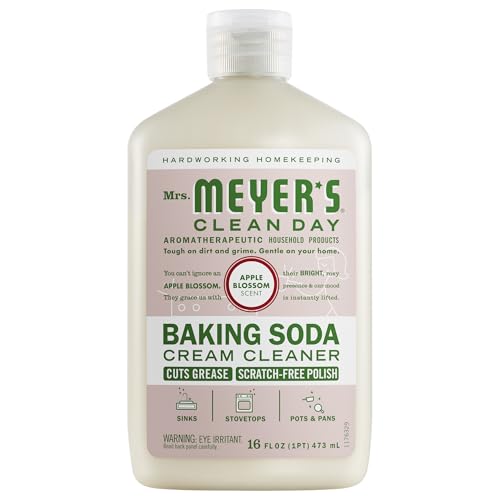
Mrs. Meyer’s Baking Soda Cream Cleaner removes soap scum and grease build-up to make your kitchen sparkle

Enzyme Drain Cleaner & Deodorizer: Uses enzyme action to help control unpleasant drain odors and support cleaner-smelling drains.
Natural Cleaning Solutions
- Baking soda: Acts as a deodorizer, effectively neutralizing odors.
- White vinegar: Provides antibacterial properties and helps break down grime and grease.
- Lemon juice: Offers a fresh scent and natural acidity to cut through tough stains.
- Salt: Works as a gentle abrasive that enhances scrubbing power.
Combine these ingredients for a powerful homemade cleaner. For instance, mix equal parts of baking soda and vinegar for an effervescent reaction that cleans and freshens.
Store-Bought Cleaners
- All-purpose cleaner: Versatile and effective on various surfaces, ensuring a thorough clean.
- Grease remover: Ideal for tackling oily buildup around the sink area.
- Disinfecting wipes: Convenient for quick cleanups, killing germs instantly.
- Drain cleaner: Designed for unclogging drains and eliminating stubborn odors.
Always follow the manufacturer’s instructions for safe and effective use. Check ingredient lists to find cleaners without harsh chemicals, especially if you’re sensitive to strong scents or irritants.
Step-by-Step Guide to Clean a Smelly Kitchen Sink
Follow these steps to effectively clean your kitchen sink and eliminate odors.
Preparing Your Sink for Cleaning
Start by removing any dishes, food scraps, or debris from the sink. Rinse the sink with hot water to loosen any stuck residue. For a quick scan, check around the faucet and edges for buildup. Gather your cleaning supplies, including baking soda, white vinegar, lemon juice, and a scrub brush. These natural ingredients tackle odors without harsh chemicals.
Cleaning the Drain and Disposal
Pour about half a cup of baking soda down the drain. Follow this with a cup of white vinegar. The combination creates a fizzing action that breaks down grime. Let it sit for about 10-15 minutes to maximize effectiveness. After the waiting period, flush the drain with hot water to clear out any remaining debris. If you have a garbage disposal, run it with ice cubes and lemon peels for extra freshness. This method helps sharpen the disposal blades while neutralizing odors.
Deep Cleaning the Sink Surface
Sprinkle a generous amount of baking soda over the sink’s surface. Use a damp sponge or non-scratch scrubber to scrub the surface in circular motions. Focus on areas with stains or discoloration. Rinse the sponge frequently to avoid spreading grime. For tougher stains, mix lemon juice with baking soda to form a paste, then apply it to the affected areas. Allow it to sit for 5-10 minutes before scrubbing and rinsing. Finally, dry the sink with a clean cloth to prevent water spots and keep it shiny.
Preventive Measures to Avoid Future Odors
Maintaining a fresh-smelling kitchen sink requires consistent effort and attention to daily habits. Implementing a few simple practices helps prevent unpleasant odors from developing over time.
Routine Maintenance Tips
- Clean regularly: Schedule weekly cleanings for your sink. Use baking soda or a mixture of vinegar and water to eliminate buildup.
- Flush drains: Run hot water through the drain daily to help dislodge any trapped food debris. This simple step keeps the pipes clear.
- Inspect the P-trap: Check the P-trap monthly. Ensure it’s not dry, as a dry P-trap allows sewer gas to escape.
- Use a sink strainer: Install a sink strainer to catch food particles. Regularly empty and clean it to avoid build-up.
- Keep the disposal sharp: Feed your garbage disposal citrus peels or ice cubes monthly. This sharpens the blades and eliminates odors.
Safe Disposal Practices
- Avoid certain foods: Don’t dispose of fibrous vegetables, fats, or large bones in your sink. These can clog drains or damage your disposal.
- Rinse plates before washing: Scrape leftovers into the trash and rinse dishes before placing them in the sink or dishwasher.
- Use a grease container: Store cooking grease in a designated container instead of pouring it down the drain. This prevents grease buildup in pipes.
- Disinfect regularly: Clean the disposal with a mixture of ice and salt to eliminate odors and maintain functionality.
By incorporating these preventive measures into your cleaning routine, you can keep your kitchen sink fresh and odor-free.
Conclusion
Keeping your kitchen sink fresh and odor-free is totally achievable with a little effort. By using natural cleaning solutions and establishing a regular cleaning routine you can tackle those pesky smells and maintain a pleasant kitchen environment.
Remember that prevention is key. Simple habits like rinsing plates before washing and flushing your drains with hot water daily can make a big difference. With these tips in your cleaning arsenal you’ll not only enjoy a fresher sink but also a healthier kitchen overall. So grab those supplies and get started on your path to a cleaner kitchen sink today!
Frequently Asked Questions
What causes unpleasant odors from kitchen sinks?
Unpleasant odors from kitchen sinks often arise from trapped food residue, grease buildup, mold and mildew, drain flies, or a dry P-trap. Regular cleaning is key to preventing these issues and maintaining a fresh-smelling sink.
How can I clean a smelly kitchen sink at home?
You can clean a smelly kitchen sink using ingredients like baking soda, white vinegar, lemon juice, and salt. Create a paste or a mixture and scrub the sink. Flushing with hot water afterward helps to eliminate odors.
Are there chemical-free options for cleaning a kitchen sink?
Yes, you can use natural cleaning solutions like baking soda mixed with vinegar or lemon juice. These options effectively combat odors without the need for harsh chemicals, making them safer for your home.
How often should I clean my kitchen sink to prevent odors?
It’s recommended to clean your kitchen sink weekly to keep it fresh and odor-free. Daily maintenance, like rinsing with hot water and using a sink strainer, can also help minimize build-up.
What preventive measures can I take to avoid sink odors?
To prevent odors, flush drains with hot water daily, schedule weekly cleanings, inspect the P-trap monthly, and use a sink strainer. Avoid clogging foods and rinse dishes before washing to maintain freshness.
