
Key Takeaways
- Understanding Aluminum Types: Familiarize yourself with anodized, raw, and nonstick coated aluminum to choose the right cookware and cleaning methods for each type.
- Benefits of Regular Cleaning: Maintain the performance and longevity of aluminum pots and pans through regular cleaning, which ensures better heat distribution and hygiene.
- Effective Cleaning Techniques: Utilize methods such as soap and water, baking soda paste, and white vinegar solutions to effectively remove stains and restore shine.
- Best Maintenance Practices: Protect your cookware by avoiding high heat, using non-metal utensils, and promptly washing and drying after use.
- Common Mistakes to Avoid: Prevent damage by avoiding abrasive cleaners, neglecting regular cleaning, and reheating empty pans, along with following the manufacturer’s care instructions.
Ever looked at your aluminum pots and pans and wondered how to bring back their shine? You’re not alone. Many people struggle with stubborn stains and discoloration that seem impossible to remove.
Understanding Aluminum Cookware
Aluminum cookware is lightweight, durable, and conducts heat evenly. It’s a popular choice for both home cooks and professional chefs. However, aluminum can stain or discolor over time, especially if you use it for high-acid foods like tomatoes or vinegar.
Recommended Products

Powder cleanser for stainless and aluminum cookware

12 oz (340g) Powder Cleaner for Stainless Clad Pots and Pans
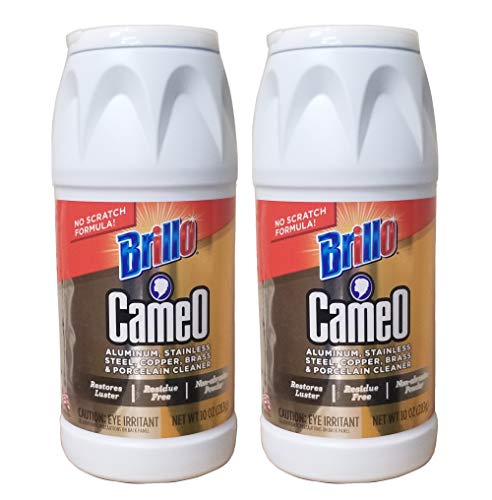
Cameo Aluminum & Stainless Steel Cleaner 10 oz. (Pack of 2)
Types of Aluminum Cookware
- Anodized Aluminum
- Anodized aluminum undergoes a process that hardens its surface, making it resistant to scratches and oxidation. It’s non-reactive and often ideal for cooking.
- Raw Aluminum
- Raw aluminum is untreated and can react with certain foods, leading to a metallic taste. It requires more frequent cleaning to maintain its appearance.
- Nonstick Coated Aluminum
- Nonstick coated aluminum offers easy food release and reduced cleanup. Care must be taken to avoid scratching the coating.
Benefits of Aluminum Cookware
- Heat Distribution: Aluminum heats quickly and evenly, reducing cooking times and enhancing food quality.
- Cost-Effective: Aluminum cookware is often more affordable than stainless steel or cast iron options.
- Lightweight: Easy to handle, aluminum is perfect for everyday cooking and shifting pans.
Common Cleaning Challenges
- Stains and Discoloration: Food residue, oxidation, and stains often mar the surface. Baking soda, vinegar, and specific commercial cleaners effectively tackle these issues.
- Scratches: Scratches from metal utensils can appear on nonstick surfaces, affecting their performance. Using silicone or wooden utensils helps prevent this condition.
Caring for Aluminum Cookware
- Avoid High Heat: Cooking at high temperatures can warp aluminum. Use medium heat for best results.
- Use Proper Utensils: Use non-metal utensils to protect the surface, especially if your pans are coated.
- Regular Cleaning: Clean your cookware routinely with mild soap and water to prevent buildup and preserve shine.
Understanding the properties and best practices of aluminum cookware ensures you maintain its condition and enjoy its benefits for years.
Why Clean Aluminum Pots And Pans?
Cleaning aluminum pots and pans regularly maintains their appearance and enhances their performance in cooking. Clean cookware promotes better heat conduction and prevents residual flavors from affecting your dishes.
Benefits Of Regular Cleaning
- Improved Performance: Clean aluminum pots allow for faster, more even cooking by enhancing heat distribution. Stains or residues can lead to uneven heating, affecting food texture and taste.
- Longevity: Regular cleaning prevents buildup that can cause rust or corrosion. Well-maintained cookware lasts longer, reducing the need for replacements.
- Better Hygiene: Clean pots and pans minimize bacteria and residue, contributing to safer food preparation. This reduces the risk of foodborne illnesses.
- Aesthetic Appeal: Shiny, clean aluminum looks more appealing in your kitchen. A tidy set of cookware adds to the overall atmosphere of your cooking space.
Consequences Of Neglect
- Stains and Discoloration: Neglected pots develop stubborn stains that can become tough to remove. Over time, discoloration can affect the cookware’s appearance.
- Reduced Heat Efficiency: Dirty aluminum doesn’t conduct heat as well, leading to uneven cooking results. This inefficiency can result in overcooked or undercooked meals.
- Increased Scratches: Food residue can create abrasive points that scratch the pot’s surface over time. Scratches can compromise the integrity of the aluminum and shorten its lifespan.
- Health Risks: Old food residues harbor bacteria, posing a risk when you cook. Neglecting cleanliness can lead to unsafe cooking conditions.
Keeping your aluminum cookware in prime condition enhances cooking experiences and aligns with best hygiene practices.
Effective Cleaning Methods
Cleaning aluminum pots and pans requires specific techniques to restore their shine and functionality. Here’s how you can effectively clean your cookware.
Basic Cleaning Techniques
- Soap and Water: Start with hot, soapy water. Use a non-abrasive sponge or cloth to wipe down the surface. Rinse thoroughly to remove all soap residue.
- Baking Soda Paste: Mix three parts baking soda with one part water to create a paste. Apply it to stubborn stains or discoloration. Let it sit for 10-15 minutes before gently scrubbing and rinsing.
- White Vinegar Solution: Combine equal parts water and white vinegar in the pot or pan. Boil this mixture for a few minutes, then allow it to cool. Wipe the cookware to remove stains.
Deep Cleaning Solutions
- Cream of Tartar: Sprinkle cream of tartar on the stains. Add a small amount of water to create a paste, then scrub gently. Rinse well afterward.
- Hydrogen Peroxide: For tough stains, apply hydrogen peroxide directly on the affected area. Let it sit for 30 minutes before scrubbing and rinsing.
- Commercial Cleaners: If other methods fail, use a commercial cleaner labeled for aluminum. Follow the package instructions carefully, and ensure the area is well-ventilated during the cleaning process.
Using these methods helps maintain the appearance and cooking performance of your aluminum pots and pans. Regular care prevents buildup and prolongs their lifespan.
Tips For Maintaining Aluminum Cookware
Proper maintenance enhances the lifespan and performance of your aluminum pots and pans. Implementing best practices keeps your cookware looking great and functioning well.
Best Practices For Longevity
- Use Medium Heat: Cooking on high heat can warp aluminum pots and pans. Stick to medium heat for even cooking and to maintain the shape of your cookware.
- Select Non-Metal Utensils: Avoid using metal utensils, as they can scratch the surface. Opt for silicone, wood, or nylon utensils to protect your cookware.
- Wash Promptly: Clean cookware right after use. Soaking can lead to tough stains. Use warm, soapy water and a soft sponge for regular washing.
- Dry Thoroughly: Water spots can form if cookware is left to air dry. Wipe your pots and pans dry with a soft cloth for a clean finish.
- Store Carefully: Stack aluminum cookware with care. Place a cloth or paper towel between stacked items to prevent scratches.
Common Mistakes To Avoid
- Neglecting Regular Cleaning: Failing to clean aluminum cookware right away can lead to stains. Clean your pots and pans after each use to maintain their appearance.
- Using Abrasive Cleaners: Avoid harsh cleaners and scrubbers. These can damage the aluminum surface. Stick to gentle soaps and soft sponges.
- Cooking Acidic Foods: Cooking highly acidic foods, like tomatoes, in raw aluminum can cause discoloration. Use anodized or coated aluminum for such dishes.
- Reheating Empty Pans: Heating an empty aluminum pan can lead to warping and discoloration. Always add oil or food before placing it on the heat.
- Ignoring Manufacturer’s Instructions: Always follow care instructions specific to your cookware. Each aluminum type may have unique maintenance requirements.
Conclusion
Keeping your aluminum pots and pans in great shape doesn’t have to be a chore. With the right cleaning techniques and a bit of care you can restore their shine and maintain their performance. Regular cleaning not only enhances their appearance but also ensures they last longer.
Remember to use gentle methods and avoid harsh chemicals that could damage the surface. By following the tips and tricks shared you’ll enjoy cooking with your aluminum cookware for years to come. So grab those pots and pans and get to cleaning—you’ll be amazed at the difference it makes!
Frequently Asked Questions
What is the best way to clean aluminum pots and pans?
To clean aluminum pots and pans, use a mixture of baking soda and water to form a paste. Apply it to the affected areas and scrub gently with a soft cloth or sponge. Alternatively, a solution of white vinegar and water can also help remove stains. Always rinse thoroughly with warm water and dry immediately.
How can I prevent stains on aluminum cookware?
To prevent stains on aluminum cookware, avoid cooking acidic foods in raw aluminum, use non-metal utensils, and clean the cookware promptly after use. Regularly washing with mild soap and warm water can also help maintain its shine and appearance.
Why is my aluminum cookware discolored?
Discoloration in aluminum cookware can occur due to food reactions, high heat, or the use of abrasive cleaners. Regular cleaning with gentler methods like baking soda or vinegar can help prevent and remove discoloration effectively.
Can I use steel wool on aluminum pans?
No, using steel wool on aluminum pans is not recommended as it can scratch and damage the surface. Instead, opt for non-abrasive sponges or cloths for cleaning.
How do I maintain the shine of my aluminum cookware?
To maintain the shine of aluminum cookware, clean it regularly with mild soap and water, avoid using harsh chemicals, and dry it thoroughly after washing. Storage in a cool, dry place with protective layers can also help.
What type of utensils should I use with aluminum cookware?
It’s best to use non-metal utensils, such as silicone or wooden spatulas, with aluminum cookware. This prevents scratches and helps maintain the integrity of the cooking surface.
How often should I clean my aluminum pots and pans?
You should clean your aluminum pots and pans after every use. Regular cleaning helps maintain their appearance, enhances cooking performance, and prevents stubborn stains and bacteria buildup.
Are commercial cleaners safe for aluminum cookware?
Yes, many commercial cleaners are safe for aluminum cookware, but it’s essential to follow the manufacturer’s instructions. Always test a small area first to ensure compatibility and avoid any potential damage.
Can I cook acidic foods in aluminum cookware?
It’s advisable to avoid cooking acidic foods in raw aluminum cookware as they can react with the metal, leading to discoloration and off-flavors. Anodized or nonstick aluminum options are safer for cooking acidic ingredients.
How can I restore the shine to my aluminum cookware?
To restore shine, create a paste with cream of tartar and water or use a baking soda solution. Gently scrub the cookware, rinse thoroughly, and dry immediately to bring back its luster.
