Key Takeaways
- Understanding Cast Iron Care: Proper care of cast iron pans increases their longevity, enhances seasoning, and maintains a non-stick surface.
- Cleaning Techniques: Use gentle scrubbing methods with a brush or steel wool, and opt for coarse salt or baking soda for tougher stains, avoiding soap whenever possible.
- Deep Cleaning for Restoration: For heavily rusted pans, soak in a vinegar-water solution, scrub clean, rinse thoroughly, and dry immediately to prevent rust.
- Importance of Seasoning: Regular seasoning creates a durable non-stick surface, enhances cooking performance, and prevents rust from forming.
- Maintenance for Lifespan: Implement a cleaning routine post-use, dry thoroughly, and apply a light coat of oil to ensure your cast iron pan remains in optimal condition.
- Common Pitfalls to Avoid: Never soak, use metal utensils, or place cast iron pans in the dishwasher, as these practices can harm the seasoning and pan integrity.
Do you have an old cast iron pan sitting in your kitchen, covered in rust and grime? You’re not alone. Many people find themselves unsure about how to restore these beloved kitchen tools to their former glory.
Understanding Cast Iron Pans
Cast iron pans are resilient kitchen tools known for their excellent heat retention and versatility. Proper care of your cast iron pan ensures its longevity and performance.
Importance of Proper Care
Caring for your cast iron pan enhances its seasoning and prevents rust. Regular cleaning and maintenance preserve the non-stick surface, allowing for better cooking results. Avoid using soap or harsh scrubbers, as these can strip the seasoning. Instead, use a gentle scrubber and hot water for routine cleanings.
Benefits of Cleaning an Old Pan
Cleaning an old cast iron pan restores its functionality and appearance. A well-cleaned pan enhances the flavor of your food, as the seasoning layers improve over time. Properly cleaned pans can become family heirlooms, providing generations of reliable cooking. Additionally, maintaining your cast iron cookware can save you money, as replacing damaged or neglected pans can be costly.
Steps to Clean an Old Cast Iron Pan
Cleaning an old cast iron pan requires specific steps to restore its beauty and functionality without damaging the surface. Follow these simple instructions to bring your pan back to life.
Recommended Products

[ You Will Receied ] 1pcs steel wool scrubber and 4pcs steel cleaning pads for replacement, which are easy to scrubbing stains and grease on kitchen appliances, as well as rust on various pot bottoms, making them shiny like new. In addition, you can use it combination with stainless steel cleaner to achieve better cleaning and improve cleaning efficiency

✔️【Packaging Includes】2Pack steel wool pads and 2 replacement wire pads, they are easy to clean and scrubbing stains and oils on the kitchen appliances, as well as rust at the bottom of various pots, making them bright like a new pot. Of course, you can use it with the cleaner to remove the effect better and more efficient.

【High-quality Design】 Cast Iron Brush is set with a anti-slip handle, which is convenient to hold. The curved steel wool scrubber makes it very good to clean to the side and bottom of the pot. The chains of this product are denser and have stronger cleaning power.
Gather Your Supplies
Make sure you have the following supplies ready before you start cleaning:
- Scrub brush or steel wool: Opt for a brush or steel wool suitable for cast iron.
- Mild dish soap: Use a small amount if you choose to soap your pan.
- Coarse salt: This can act as an abrasive for scrubbing.
- Baking soda: Can help with tough stains and odors.
- Drying cloth or paper towels: For drying your pan thoroughly.
Initial Scrubbing Techniques
Begin the cleaning process by gently scrubbing the pan. Use the following techniques:
- Scrub the surface with a brush or steel wool to remove food particles.
- If needed, sprinkle coarse salt onto the pan for extra abrasiveness.
- Rinse the pan with warm water to lift off any remaining residue.
- For stubborn spots, consider adding a small amount of baking soda.
Deep Cleaning Methods
For heavily rusted or grimy pans, follow these deep cleaning steps:
- Soak the pan in a solution of equal parts vinegar and water for about 30 minutes.
- After soaking, scrub the pan again with steel wool to remove rust.
- Rinse the pan thoroughly with warm water to remove any vinegar residue.
- Dry the pan immediately with a cloth to prevent further rusting.
- Apply a thin layer of vegetable oil to the surface and heat it on the stove to restore seasoning.
Following these steps ensures your old cast iron pan gets the care it needs to last for generations.
Seasoning Your Cast Iron Pan
Seasoning your cast iron pan creates a non-stick surface and prevents rust. This process involves applying a layer of oil to the pan and baking it to form a protective coating.
Recommended Products

TLC for your griddle cooktop: Stop wasting your money on expensive soaps, scrubs, pastes, or chemicals. Blackstone griddle seasoning and cast iron conditioner is all you need to build a slick, easy-release surface that’s protected from rust and easy to work with.
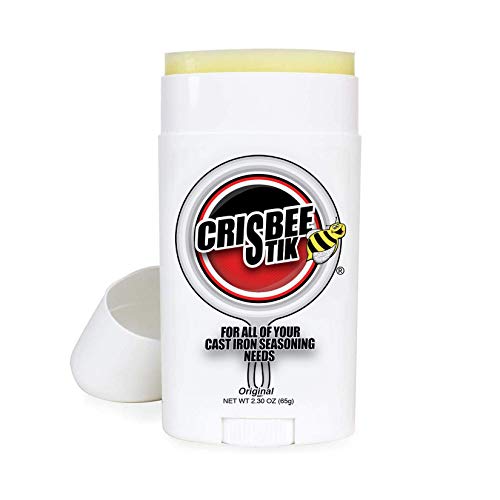
Made with Vitis Vinifera (Grapeseed) Oil and Beeswax. A little goes a long way. Very economical compared to seasoning cast iron cookware with oil.

Use on cast iron skillets, dutch ovens, and carbon steel cookware to build seasoning and protect from rust
Why Seasoning is Essential
Seasoning enhances your pan’s cooking performance. It provides a natural, durable non-stick surface that improves with use. A well-seasoned pan withstands high heat without sticking, making it ideal for various cooking techniques. Regular seasoning maintains food flavor and prevents rust, extending the life of your cast iron.
How to Properly Season
- Clean the Pan: Start with a fully cleaned pan. Remove any rust or residue using a scrub brush or steel wool. Rinse it under hot water and dry thoroughly.
- Apply Oil: Use a high-smoke-point oil, such as flaxseed oil, grapeseed oil, or vegetable oil. Pour a small amount onto a paper towel and wipe the entire surface, including the handle.
- Heat the Oven: Preheat your oven to 450°F. Place foil on the bottom rack to catch drips.
- Bake the Pan: Place the pan upside down on the middle rack. Bake for about one hour. This process polymerizes the oil, creating a hard coating.
- Cool the Pan: Turn off the oven and let the pan cool inside. This slow cooling helps the seasoning set properly.
- Repeat: For optimal results, repeat this process 2-3 times. The more layers you apply, the better the seasoning.
By following these steps, you create a robust, long-lasting seasoning on your cast iron pan, ensuring its functionality for many years.
Maintenance Tips for Longevity
Maintaining your cast iron pan ensures its longevity and performance. Follow these tips to keep your pan in top shape.
Recommended Products

Mild and Easy: Grapeseed Oil is at its best in stir-fries and sautés; it doesn't overwhelm other ingredients and lets fresh flavors shine. When grilling or frying, it is a must-have in the pantry.

YOUR NEW GO-TO SEASONING SPRAY: The Lodge Seasoning Spray is the perfect seasoning spray to maintain your cast iron cookware. It is made of 100% canola oil - no additives or propellants, to protect your cookware and enhance its finish.
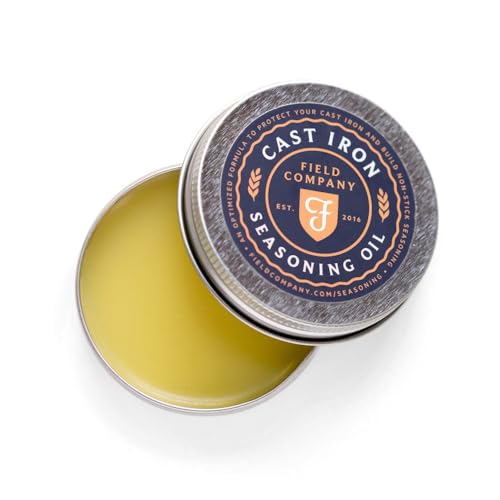
HOW TO USE: The key to naturally nonstick cast iron cookware? Cook often, and apply Seasoning Oil every time you clean your pan. Clean your cast iron with soap and a brush, then use a chain mail scrubber to smooth out existing seasoning layers. Apply a dab of Seasoning Oil and spread it thinly over the surface with a paper towel or clean rag. Wipe away excess oil to leave a dry, matte finish.
Regular Cleaning Routine
- Clean after every use. Use hot water and a stiff brush to remove food residues. Avoid soap unless necessary.
- Dry thoroughly. Keeping moisture away prevents rust. Heat the pan on the stove for a few minutes to ensure it’s completely dry.
- Oil lightly. After drying, apply a thin layer of vegetable oil or flaxseed oil. This step helps maintain the seasoning.
Avoiding Common Mistakes
- Don’t soak the pan. Prolonged soaking can cause rust and deteriorate the seasoning layer.
- Avoid metal utensils. They can scratch the seasoned surface, leading to rust and food sticking.
- Skip the dishwasher. The hot water and detergent strip away seasoning and cause corrosion.
By incorporating these maintenance practices, your cast iron pan will serve you well for years to come.
Conclusion
Bringing your old cast iron pan back to life is a rewarding experience. With a little effort and the right techniques you can turn it into a kitchen staple that you’ll cherish for years. Remember that regular care and maintenance are key to keeping it in top shape.
By following the steps for cleaning and seasoning your pan you not only enhance its performance but also enrich the flavors of your dishes. Embrace the journey of restoring your cast iron pan and enjoy the delicious meals it helps you create. With the right attention your pan can become a beloved heirloom that tells a story through every meal.
Frequently Asked Questions
How do I clean a rusty cast iron pan?
To clean a rusty cast iron pan, start by scrubbing it with a stiff brush or steel wool to remove loose rust. For heavily rusted areas, soak the pan in a mixture of vinegar and water for several hours. Rinse well, dry completely, and lightly oil the pan to prevent further rusting.
What is the best way to season a cast iron pan?
To season your cast iron pan, first clean it thoroughly. Apply a high-smoke-point oil to the surface and place it upside down in a preheated oven at 450°F for about an hour. Allow it to cool slowly before using. Repeat this process several times for the best non-stick results.
Why is maintaining a cast iron pan important?
Maintaining a cast iron pan is crucial for longevity, performance, and non-stick qualities. Regular maintenance prevents rust, enhances seasoning, and improves cooking performance, ultimately saving money by avoiding replacements and allowing the pan to develop unique flavors over time.
Can I use soap to clean my cast iron pan?
It’s best to avoid soap when cleaning a cast iron pan, as it can strip the seasoning. Instead, use hot water, a stiff brush, or coarse salt for scrubbing. If needed, mild soap can be used occasionally, but be sure to re-season the pan afterward.
What common mistakes should I avoid with my cast iron pan?
Avoid soaking your cast iron pan, using metal utensils, or putting it in the dishwasher. These actions can damage the seasoning and lead to rust. Instead, clean and dry your pan immediately after use, and store it lightly oiled for best results.