
Key Takeaways
- Importance of Clean Cabinets: Regular cleaning not only enhances the appearance of kitchen cabinets but also promotes a healthier cooking environment by minimizing contamination risks and extending their lifespan.
- Essential Tools and Supplies: Prepare a basic cleaning kit including mild dish soap, white vinegar, baking soda, microfiber cloths, and soft-bristled brushes to ensure an effective cleaning process.
- Step-by-Step Cleaning Process: Start cleaning from the top cabinets, use appropriate solutions, and follow systematic wiping and rinsing to effectively remove grease and grime.
- Weekly Maintenance Tips: Regularly wipe down surfaces with a gentle cleaner to prevent buildup, and keep cabinets organized to make cleaning easier.
- Avoid Harsh Chemicals: Stick to non-abrasive and gentle cleaning products to protect the cabinet finishes from damage.
- Routine Deep Cleaning: Schedule a deep clean every three to six months, featuring a complete decluttering and thorough cleaning to maintain optimal cabinet condition.
Have you ever looked at your kitchen cabinets and thought they could use a little TLC? Over time, grease, dust, and spills can build up, making your once-pristine cabinets look dull and dirty. If you’re tired of the grime and want to restore their shine, you’re in the right place.
Importance Of Cleaning Kitchen Cabinets
Cleaning kitchen cabinets maintains their appearance and promotes a healthier cooking environment. Regular maintenance removes food particles, grease, and dust, preventing build-up that attracts pests. Clean surfaces reduce the risk of contamination, essential for food safety.
Maintaining your kitchen cabinets also extends their lifespan. Regular cleaning helps avoid stains and wear. Whether made of wood, laminate, or metal, cabinets benefit from a gentle cleaning routine that protects their finish and structure.
Enhancing your kitchen’s overall look becomes easier with clean cabinets. Shine and freshness create an inviting atmosphere. When cabinets look good, the entire kitchen feels more appealing.
Cleaning cabinets also improves your overall kitchen experience. A clutter-free space makes cooking more enjoyable. You’ll find tools and ingredients quickly when cabinets are organized and clean. Plus, a well-maintained kitchen can increase your home’s value, should you decide to sell.
Consider these practical steps for effective cleaning:
- Assess the Surface: Determine your cabinet material. Use appropriate cleaning methods to avoid damage.
- Gather Supplies: Collect non-abrasive cleaners, microfiber cloths, and a gentle scrub brush.
- Follow a Routine: Clean weekly for small spills and monthly for deep cleaning. Consistency keeps cabinets looking their best.
Prioritize cleaning kitchen cabinets to enjoy a fresh, hygienic cooking environment and a beautiful space.
Tools And Supplies Needed
Gathering the right tools and supplies makes kitchen cabinet cleaning efficient and straightforward. Here’s what you need:
Recommended Products

LINT-FREE ON GLASS: Soft microfiber helps lift dust, smudges, and everyday messes without leaving lint behind, making it a go-to cloth for mirrors, windows, stainless appliances, and quick wipe-downs around the home.
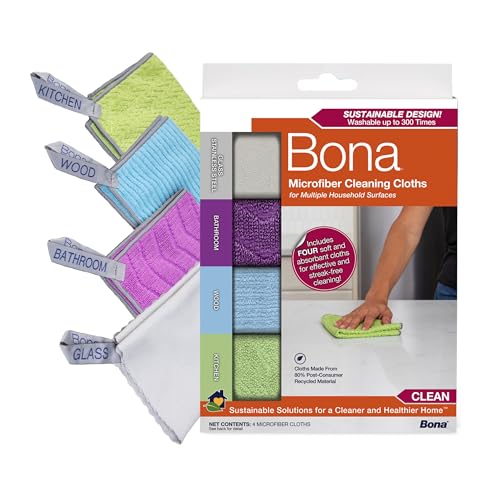
Four unique microfiber cloths for all the surfaces around your home

10x GRIP-ROOT WEAVE - TRAP MORE, WORK LESS: Ultra-absorbent microfiber towels for car Grip Root weave works like PLANT ROOT FOLLICLES, sucking up & LOCKING AWAY 8x to 10x its weight in liquid, particulates, moisture, grime and dirt in far LESS TIME than traditional ‘Heavy Duty’ Cleaning Rags. Each towel features a 2.5mm thick design, providing enhanced durability and better grip during use.
Cleaning Solutions
- Mild Dish Soap: Mix a few drops with warm water for a gentle cleaning solution safe for most surfaces.
- White Vinegar: Use a 1:1 solution with water for cutting through grease and grime effectively.
- Baking Soda: Create a paste with water to tackle tough stains. It’s also a natural deodorizer.
- Commercial Cleaner: Opt for a non-toxic product specifically designed for wood or laminate cabinets when necessary.
Tools Required
- Microfiber Cloths: Use these for wiping surfaces without scratching the finishes.
- Soft Sponge: A sponge helps in applying cleaning solutions while providing a gentle scrubbing action.
- Bucket: Keep a bucket handy for mixing solutions and rinsing cloths or sponges.
- Soft-Bristled Brush: Use a brush for getting into crevices and corners where dirt settles.
- Spray Bottle: Store homemade cleaning solutions for easy application and portability.
- Gloves: Wear rubber gloves to protect your hands from harsh cleaning agents and grime.
By preparing these tools and supplies, you’re ready to tackle your kitchen cabinets efficiently.
Step-By-Step Guide To Cleaning Cabinets
Follow these steps to restore the shine to your kitchen cabinets and maintain a clean environment.
Preparing The Area
- Clear the countertops. Remove all items from the surfaces near the cabinets.
- Vacuum the area. Use a vacuum to eliminate any loose dirt, crumbs, and dust.
- Protect the floor. Lay down a drop cloth or old towels to protect against spills during cleaning.
- Gather supplies. Collect your cleaning solutions, cloths, and tools.
Cleaning Process
- Choose a cleaning solution. Mix equal parts of white vinegar and water for a natural cleaner or use a mild dish soap.
- Start at the top. Begin cleaning the upper cabinets, working your way down. This helps catch any drips.
- Apply the solution. Spray your chosen cleaner on a microfiber cloth, not directly on the cabinets, to prevent excess moisture.
- Wipe gently. Use circular motions to lift grease and grime. Pay attention to corners and edges.
- Use a soft-bristled brush. For tougher stains, dip the brush in the cleaning solution and scrub gently.
- Rinse the cabinets. After cleaning, dampen a fresh cloth with plain water and wipe the cabinets to remove any cleaning residue.
- Dry thoroughly. Use a dry microfiber cloth to prevent water spots and streaks.
By following these systematic steps, you can effectively clean your kitchen cabinets, maintaining a fresh and inviting cooking space.
Tips For Maintaining Clean Cabinets
- Regular Wiping
Wipe down cabinet surfaces weekly. Use a microfiber cloth dampened with soapy water or a vinegar solution. This prevents grease buildup and keeps cabinets looking fresh.
- Avoid Harsh Chemicals
Use non-abrasive cleaners. Harsh chemicals can damage the finish. Stick to gentle solutions like dish soap, vinegar, or commercial wood cleaners.
- Organize Items
Keep cabinets organized. Use bins or drawer dividers to maintain order. This reduces clutter and makes cleaning easier.
- Handle with Care
Clean cabinet handles and knobs frequently. These areas attract grime. Use a soft cloth and a mild cleaner to maintain their shine.
- Seal with Wax
Consider applying a furniture wax. This provides an extra layer of protection against spills and scratches. Reapply every few months for best results.
- Check for Repairs
Inspect cabinets regularly. Look for scratches, dents, or peeling finishes. Address minor repairs immediately to preserve the cabinet’s appearance.
- Control Humidity
Keep kitchen humidity levels low. High moisture can lead to warping or mold. Use exhaust fans while cooking and ensure proper ventilation.
- Routine Deep Cleaning
Perform a deep clean every three to six months. Remove all items, clean thoroughly, and declutter before returning everything. This keeps cabinets in top condition.
Conclusion
Keeping your kitchen cabinets clean is an essential part of maintaining a fresh and inviting cooking space. By following the steps outlined in this guide you can restore their shine and ensure a healthier environment for meal prep.
Regular maintenance not only enhances the appearance of your cabinets but also prolongs their lifespan. With just a little effort each week you can keep them looking great and organized.
So grab your supplies and get started on your cabinet cleaning journey. You’ll love the difference it makes in your kitchen!
Frequently Asked Questions
What causes kitchen cabinets to become dirty over time?
Kitchen cabinets accumulate grease, dust, and spills from daily cooking and food preparation. Lack of regular cleaning can lead to a dull appearance and attract pests, which may pose health risks.
How often should I clean my kitchen cabinets?
It’s advisable to wipe down your kitchen cabinets weekly and perform a deep clean every three to six months. Regular maintenance helps preserve their appearance and keeps your kitchen hygienic.
What supplies do I need for cleaning kitchen cabinets?
For effective cleaning, gather mild dish soap, white vinegar, baking soda, and microfiber cloths. Essential tools include soft sponges, a bucket, a spray bottle, and gloves.
What’s the best method for cleaning kitchen cabinets?
Start by clearing countertops, then use a natural cleaner made of equal parts white vinegar and water or mild dish soap. Work from the top down, applying the solution with a microfiber cloth or soft-bristled brush for tough stains.
How can I maintain clean kitchen cabinets?
To maintain clean cabinets, regularly wipe with a damp microfiber cloth, avoid harsh chemicals, and keep items organized. Inspect for repairs, clean handles frequently, and apply furniture wax for added protection.
What are the benefits of cleaning kitchen cabinets?
Cleaning kitchen cabinets enhances their appearance, prevents pest attraction, and promotes a healthier cooking environment. It also extends the lifespan of the cabinets, making your kitchen more inviting and efficient.
