
Key Takeaways
- Understanding Ceramic Sinks: Ceramic kitchen sinks are durable, aesthetically pleasing, and easy to clean, making them a popular choice for homes.
- Common Issues: Regular use can lead to stains, chips, scratches, fading, and cracks, which require attention to maintain the sink’s appearance and functionality.
- Preparation for Cleaning: Gather necessary cleaning supplies, including mild dish soap, baking soda, and non-abrasive sponges, while ensuring proper safety precautions.
- Step-by-Step Cleaning Process: Follow a structured approach to cleaning by removing debris, applying suitable cleaning solutions, scrubbing gently, and thorough rinsing and drying.
- Maintenance Tips: Establish a regular cleaning routine and avoid harsh chemicals or abrasive tools to prolong your sink’s life and keep it shining.
Is your ceramic kitchen sink looking dull and stained? You’re not alone—many people struggle with keeping this essential kitchen feature spotless. With daily use, it’s easy for grime and food particles to build up, making your sink less inviting.
Understanding Ceramic Kitchen Sinks
Ceramic kitchen sinks offer both durability and aesthetic appeal, but keeping them clean can be a challenge. Understanding their features helps you maintain their shine and longevity.
Benefits of Ceramic Sinks
- Durability: Ceramic sinks resist scratches, chips, and dents, making them ideal for high-use kitchens.
- Aesthetic Appeal: Ceramic provides a sleek, timeless look, available in various colors and designs that complement your kitchen decor.
- Easy to Clean: Non-porous surfaces don’t trap bacteria or stains, simplifying the cleaning process.
- Heat Resistance: These sinks withstand high temperatures, making them safe for handling hot pots and pans.
- Eco-Friendly: Made from natural materials, ceramic sinks offer an environmentally friendly option for your kitchen.
Common Issues with Ceramic Sinks
- Stains: Despite their resistance, ceramic sinks may stain from food, coffee, or hard water deposits.
- Chips: Heavy objects can chip the sink, affecting its appearance and functionality.
- Surface Scratches: While durable, abrasive cleaners can scratch the surface over time.
- Fading: Prolonged exposure to sunlight may lead to fading, particularly in brightly colored sinks.
- Cracks: Extreme temperature changes can cause cracks, leading to leaks and structural issues.
Understanding these aspects helps you care for your ceramic kitchen sink effectively, keeping it looking fresh and ensuring its longevity.
Preparing to Clean Your Ceramic Kitchen Sink
Cleaning your ceramic kitchen sink requires some simple preparation. Gathering the right supplies and following safety measures sets the stage for effective cleaning.
Recommended Products
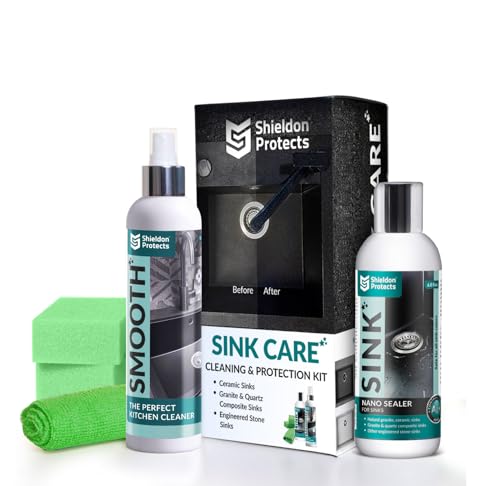
This kit will protect your sink from stains, add shine and keep it looking brand new. It will NOT remove deep-set stains. If you need to remove stubborn stains, please consider Shieldon Protects Sink Restorer Kit.

✅ Professional 3-step system – The Shieldon Protects Sink Restorer Kit restores even heavily stained sinks with a heavy-duty cleaner for tough stains, a hard water stain remover for mineral buildup, and a nano sealer that enhances the natural color of your sink. It also helps prevent water spots and future stains for long-lasting cleanliness and shine.

Complete Care Kit: Includes Defend protectant, Restore polish, and a reusable microfiber cloth
Gathering Your Cleaning Supplies
- Dish soap: Use a mild dish soap to cut through grease without damaging the ceramic surface.
- Baking soda: This acts as a gentle abrasive, helping to remove stubborn stains.
- White vinegar: This natural cleaner disinfects and eliminates odors.
- Soft cloths or sponges: Opt for non-abrasive materials to avoid scratching the sink.
- Old toothbrush: Use this for detailed scrubbing in hard-to-reach areas.
- Rubber gloves: Protect your skin from cleaning agents and harsh residues.
Safety Precautions
- Ventilate the area: Open windows or turn on the exhaust fan to ensure good airflow.
- Wear gloves: Protect your hands from irritants in cleaning products.
- Test products: Try a small amount of any new cleaner in an inconspicuous area to check for damage.
- Avoid acidic cleaners: Stay clear of products with strong acids as they can damage the ceramic finish.
- Keep children and pets away: Ensure a safe cleaning environment by keeping them out of the area while cleaning.
Following these preparation steps ensures you clean your ceramic kitchen sink effectively and safely.
Step-by-Step Guide on How to Clean Ceramic Kitchen Sink
Cleaning your ceramic kitchen sink can restore its shine and prolong its life. Follow these steps for effective cleaning.
Recommended Products

Multipurpose Liquid Cleanser For Daily Cleaning Refreshes: This all purpose cleaner restores, revives, and refreshes surfaces, removing rust stains, hard water lime and calcium deposits, soap scum, tarnish, and built-up grime from kitchens, bathrooms, and outdoor areas without harsh scrubbing. Ready-to-use immediately - no mixing required
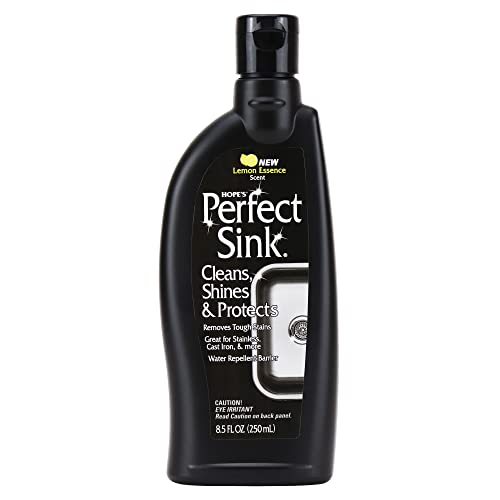
Cleaner & Polish - Hope’s Perfect Sink is a gentle cleaner that shines polishes and protects in one simple step; get your cleaning done faster and more efficiently
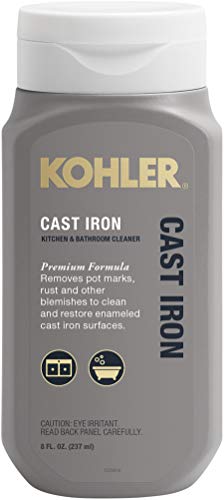
Clean & Restore Surfaces: This cast iron cleaner removes pot marks, rust and other blemishes to clean and restore enameled cast iron surfaces
Removing Loose Debris
- Start by removing food particles and loose debris from the sink.
- Use a sponge or cloth to wipe the surface, ensuring you reach all corners.
- Rinse the sponge or cloth as necessary to keep it clean.
Choosing the Right Cleaning Solution
- Opt for mild dish soap or a mixture of baking soda and white vinegar.
- If stains persist, use a specialized ceramic cleaner, ensuring it’s safe for your sink type.
- Avoid using acidic cleaners or abrasive materials, as they can damage the finish.
Scrubbing Techniques
- Apply your chosen cleaning solution directly to the sink.
- Use a soft cloth or a non-abrasive sponge to scrub the surface.
- Focus on stained areas with a gentle circular motion to lift grime effectively.
- For tough stains, use an old toothbrush for targeted scrubbing.
Rinsing and Drying
- Rinse the sink thoroughly with warm water to remove all cleaning residue.
- Use clean water to ensure no soap remains on the surface, as it can attract more dirt.
- Dry the sink with a soft, dry cloth to prevent water spots and maintain shine.
By following these steps, you can keep your ceramic kitchen sink looking clean and inviting.
Tips for Maintaining Your Ceramic Kitchen Sink
Maintaining a ceramic kitchen sink requires attention to detail and a regular cleaning schedule. Follow these tips to keep your sink looking fresh and bright.
Regular Cleaning Routine
Establish a regular cleaning routine to prevent grime buildup. Clean your sink daily using mild dish soap and warm water. Rinse well and dry with a soft cloth. Weekly, deep-clean your sink with a baking soda paste. Mix baking soda and water, apply it to stains, and let it sit for 10-15 minutes. Scrub gently, then rinse thoroughly to reveal a sparkling surface.
Avoiding Damage
Avoid damage by steering clear of harsh chemicals and abrasive materials. Use only non-abrasive sponges and cloths. Prevent scratches by placing a mat in the bottom of the sink when washing pots and pans. Don’t use your sink as a cutting board; the ceramic can chip. Never leave acidic substances, like citrus juice or vinegar, sitting for long periods, as they can dull the finish.
Conclusion
Your ceramic kitchen sink can be a stunning centerpiece in your kitchen with just a bit of care. By following the cleaning tips and maintenance routines shared, you can keep it looking its best for years to come. Remember to be gentle with your sink and avoid harsh chemicals that could cause damage.
A little daily attention goes a long way in preventing stains and keeping it shiny. So grab your supplies and make cleaning your sink a regular part of your kitchen routine. You’ll love how fresh and inviting it feels every time you step into your kitchen. Happy cleaning!
Frequently Asked Questions
What causes stains on ceramic kitchen sinks?
Ceramic kitchen sinks can develop stains from food particles, grease, and water residue. Over time, these substances build up, leading to discoloration and dullness. Regular cleaning helps prevent this issue.
How do I clean my ceramic kitchen sink?
To clean your ceramic sink, start by removing loose debris. Then, use a mild dish soap or a baking soda and vinegar mixture. Scrub gently with a soft cloth or sponge, rinse thoroughly, and dry with a cloth to avoid water spots.
Can I use bleach on my ceramic sink?
It’s best to avoid bleach on ceramic sinks, as it can cause fading and damage to the finish. Use milder cleaning solutions like dish soap or baking soda instead for safe and effective cleaning.
How often should I clean my ceramic sink?
A regular cleaning routine is recommended. Clean your sink daily with mild soap and warm water, and perform a deeper clean weekly using a baking soda paste to maintain its appearance.
What are the benefits of ceramic sinks?
Ceramic sinks are durable, heat-resistant, and eco-friendly. They offer aesthetic appeal and are easy to clean, making them a popular choice for kitchens. Their smooth surface also resists bacteria accumulation.
Can I prevent chipping and scratching on my ceramic sink?
Yes, to prevent chipping and scratching, avoid using the sink as a cutting board and refrain from using abrasive scrubbers. Placing a mat in the sink during heavy dishwashing can also help protect the surface.
How can I maintain the shine of my ceramic sink?
To keep your ceramic sink shiny, rinse thoroughly after each use, dry with a soft cloth, and avoid leaving acidic substances inside for extended periods. Regular cleaning routines also help maintain its luster.
