
Key Takeaways
- Understand Ceramic Pans: Ceramic pans are durable, non-stick cookware made from natural materials and are free of harmful chemicals like PTFE and PFOA.
- Advantages of Use: These pans provide a non-stick surface, ease of cleaning, high heat resistance, healthier cooking options, and versatility for different cooking methods.
- Essential Cleaning Supplies: Use mild dish soap, baking soda, white vinegar, cooking oil, and non-ammonia-based glass cleaner to maintain and clean your ceramic pans.
- Daily Maintenance Steps: Always cool down the pan before cleaning, wash with warm soapy water, rinse thoroughly, dry with a microfiber cloth, and lightly oil the surface.
- Deep Cleaning Techniques: Tackle stubborn stains with baking soda paste or vinegar, soak for tough grime, and finish with a glass cleaner for shine.
- Avoid Common Mistakes: Stay away from harsh chemicals and abrasive cleaning tools to preserve the non-stick coating and prevent scratches, ensuring the longevity of your ceramic pans.
Ever wondered why your ceramic pans don’t shine like they used to? If you’ve been struggling with stubborn stains and stuck-on food, you’re not alone. Many home cooks face the same issue, and it can be frustrating when your favorite cookware loses its appeal.
Understanding Ceramic Pans
Ceramic pans offer a popular choice for many cooks due to their distinctive properties. Knowing more about these pans can enhance your cooking experience and help maintain their quality.
What Are Ceramic Pans?
Ceramic pans feature a durable, non-stick coating made from inorganic materials, often baked at high temperatures. This coating consists of natural substances like sand and clay, making it free from harmful chemicals like PTFE and PFOA. Many ceramic pans also have a reinforced base, often aluminum, which assures even heat distribution and efficient cooking.
Advantages of Using Ceramic Pans
Ceramic pans come with several benefits that make them appealing for everyday cooking:
- Non-Stick Surface: The ceramic coating prevents food from sticking, minimizing the need for excessive oils and fats.
- Ease of Cleaning: These pans often clean easily with mild soap and a soft sponge, so you save time after cooking.
- Heat Resistance: Ceramic pans can withstand high temperatures, making them suitable for various cooking methods.
- Healthier Cooking: With no toxic chemicals in the coating, ceramic pans help you prepare healthier meals.
- Versatility: You can use ceramic pans in an oven, under the broiler, or on a stovetop, providing flexibility for different recipes.
Understanding ceramic pans and their attributes enables you to use and care for them effectively, ensuring your cooking remains enjoyable and your pans last longer.
Essential Cleaning Supplies
Keep your ceramic pans in top shape with the right cleaning supplies. Using suitable products and tools promotes longevity and maintains their appearance.
Recommended Products

【Comfortable Textured Handle】 Contoured grip design reduces hand pressure during extended cleaning sessions. The textured surface maintains secure control even when wet for precise scrubbing.

THREE SCRUBBING SPONGES: This pack of Scotch-Brite Delicate Clean Scrub Sponges includes three dish sponges

GreenPan’s Thermolon healthy ceramic nonstick coating is free of PFAS, PFOA, lead, and cadmium, so it will never release toxic fumes, even if it’s accidentally overheated
Recommended Cleaning Products
- Mild Dish Soap: Choose a gentle dish soap free from harsh chemicals. Look for biodegradable options that won’t harm the environment.
- Baking Soda: Use baking soda to tackle stubborn stains. Its mild abrasiveness helps lift residue without scratching the pan’s surface.
- White Vinegar: Apply white vinegar for tough stains or burnt-on food. Its acidity breaks down grime and leaves pans sparkling.
- Cooking Oil: Use a small amount of cooking oil for maintaining the non-stick surface. Regular application can preserve the ceramic coating.
- Glass Cleaner: Opt for a non-ammonia-based glass cleaner for a final sheen. It leaves your pans looking brand new.
Tools for Cleaning Ceramic Pans
- Soft Sponge: Use a non-abrasive sponge to avoid scratching. A gentle scrubber works well for everyday cleaning.
- Microfiber Cloth: Utilize a microfiber cloth for drying and polishing. It absorbs moisture effectively and prevents streaks.
- Scraper: Choose a plastic scraper for removing stubborn food residues. Avoid metal scrapers that can damage the ceramic surface.
- Dishbrush: Employ a soft-bristled brush for deep cleaning grooves and edges. It provides extra scrubbing power when needed.
- Bowl or Bucket: Use a bowl or bucket to soak pans in warm soapy water. Soaking makes it easier to remove tough stains.
Step-by-Step Guide on How to Clean Ceramic Pans
Keeping ceramic pans clean helps maintain their performance and appearance. Follow these simple steps for daily maintenance and deep cleaning.
Recommended Products

✅[Nonstick Coating] - Becigar 23-piece black ceramic cookware set features PFAS/PFOA/PFOS-free nonstick coating for safe, healthy daily cooking. The ultra-smooth surface ensures effortless food release, less oil use, and easy cleaning, ideal for frying, baking, grilling, simmering, and all-around home cooking
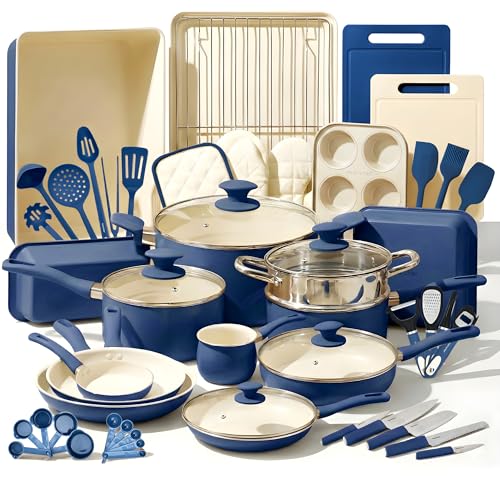
COMPLETE KITCHENWARE SET - Consider your kitchen fully equipped, with Nutrichef’s 54 piece complete cookware set. Our kitchen kit contains everything you’ll need for food prep, from pots and pans with lids, a complete bakeware set, heat resistant kitchen utensils, 5 premium kitchen knives, cutting boards and other assorted kitchen tools and textiles.

SPATULA INCLUDED: The silicone spatula with wooden handle is perfect for flipping, stirring, and serving.
Daily Cleaning Tips
- Cool Down: Allow the pan to cool before cleaning. Sudden temperature changes can damage the coating.
- Wash: Use warm water and mild dish soap. A soft sponge prevents scratches while still removing food particles.
- Rinse: Rinse thoroughly with warm water to remove soap residue. Soap traces can affect the non-stick surface.
- Dry: Wipe the pan dry with a microfiber cloth. Avoid air drying, as this can leave water spots.
- Oil: Lightly rub cooking oil on the surface. This helps maintain the non-stick quality.
Deep Cleaning Techniques
- Stubborn Stains: Create a paste from baking soda and water. Apply the paste to the stains and let it sit for 15–20 minutes before scrubbing gently.
- Grime Removal: Mix equal parts of white vinegar and water in the pan. Heat on low for 5 minutes, then wipe away the residue with a soft sponge.
- Soak: For tough grime, fill the pan with warm, soapy water and soak for 30 minutes. This loosens stuck-on food, making it easier to clean.
- Final Shine: Use a non-ammonia-based glass cleaner for a sparkling finish. Spray it on and wipe with a microfiber cloth.
By following these steps, you can keep your ceramic pans looking great and functioning well for years to come.
Common Mistakes to Avoid
Avoiding common mistakes when cleaning ceramic pans helps maintain their appearance and functionality. Being aware of pitfalls can improve your overall cooking experience.
Recommended Products
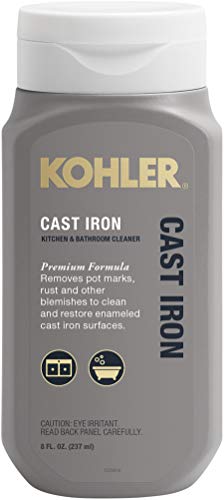
Clean & Restore Surfaces: This cast iron cleaner removes pot marks, rust and other blemishes to clean and restore enameled cast iron surfaces

Bottle Size: 8. 45 fluid ounces (250ml)

YOUR NEW GO-TO ENAMELED CAST IRON CLEANER: The Lodge Enameled Cast Iron Cleaner will keep your enamel cast iron pans looking and cooking its best for generations. This gentle cleanser is entirely bleach and dye-free and specially designed to clean enameled cast iron, inside and out.
Using Harsh Chemicals
Avoid using harsh chemicals, as they can damage the non-stick coating of ceramic pans. Opt for mild dish soap or natural cleaners like vinegar instead. If stubborn stains persist, create a paste with baking soda and water. This gentle approach ensures your pans remain safe for food preparation.
Scratching the Surface
Avoid scratching the surface of your ceramic pans by using the right cleaning tools. Non-abrasive sponges or soft-bristled brushes work best. Steer clear of steel wool and abrasive pads that can leave scratches. Additionally, when cooking, use wooden or silicone utensils to prevent damage. Proper care extends the life of your cookware and keeps it looking new.
Conclusion
Taking care of your ceramic pans doesn’t have to be a chore. With the right cleaning techniques and tools you can keep them looking and performing their best. Remember to be gentle and avoid harsh chemicals to protect that non-stick surface.
Regular maintenance and occasional deep cleaning can go a long way in preserving their shine and functionality. By following these easy steps you’ll not only enjoy cooking with your ceramic cookware but also extend its lifespan.
So go ahead and give your pans the love they deserve. Happy cooking!
Frequently Asked Questions
What are the benefits of using ceramic pans?
Ceramic pans offer a non-stick surface, reducing the need for oils and fats in cooking. They are easy to clean, heat-resistant, and versatile for various cooking methods. Additionally, they are free from harmful chemicals like PTFE and PFOA, making them a healthier choice.
How do I clean my ceramic pans properly?
To clean ceramic pans, let them cool, wash with warm, soapy water, rinse well, and dry with a microfiber cloth. For tough stains, use a baking soda paste or vinegar mixture. Finally, lightly rub cooking oil on the surface to maintain the non-stick quality.
What cleaning products should I avoid with ceramic pans?
Avoid harsh chemicals such as bleach or ammonia that can damage the non-stick coating. Also, refrain from using abrasive cleaners or tools like steel wool, which can scratch the surface of the pans.
How can I prevent my ceramic pans from becoming stained?
To prevent staining, avoid overheating ceramic pans and do not use metal utensils that can scratch the surface. Clean them promptly after use and apply a light coat of cooking oil after drying to maintain their non-stick properties.
What tools are best for cleaning ceramic pans?
Use non-abrasive sponges, microfiber cloths, soft-bristled brushes, and plastic scrapers for cleaning. These tools effectively remove residues while protecting the integrity of the non-stick surface. Avoid abrasive pads and steel wool.
