
Key Takeaways
- Understanding Damascus Steel: Recognize the unique characteristics of Damascus steel, including its aesthetic appeal, edge retention, and corrosion resistance, which enhance both its beauty and functionality in the kitchen.
- Importance of Proper Cleaning: Regular cleaning prevents rust and corrosion while also preserving the knife’s striking appearance, ensuring longevity and optimal performance in food preparation.
- Effective Cleaning Steps: Follow key steps to clean your knife: rinse immediately after use, use mild dish soap with a soft sponge, and thoroughly dry the blade with a lint-free cloth to prevent moisture buildup.
- Maintenance Tips: Regularly clean your knife after each use and store it properly to protect the blade and its intricate patterns, utilizing a knife block or protective sheath to avoid contact with other utensils.
- Avoid Acidic Foods: Protect the knife’s finish by avoiding direct cuts on the blade with acidic foods; always use a cutting board to maintain its aesthetic and performance.
- Regular Attention: Consistent cleaning and maintenance habits significantly extend the life of your Damascus steel kitchen knife, keeping it functional and visually appealing for years to come.
Do you have a beautiful Damascus steel kitchen knife that’s lost its shine? You’re not alone. Many home cooks struggle with keeping their prized knives in top shape, and it can be frustrating when they start to show signs of wear.
Understanding Damascus Steel
Damascus steel is celebrated for its strength and beauty. Its unique patterning and robust performance make it a favorite for kitchen knives.
What Is Damascus Steel?
Damascus steel originates from ancient sword-making techniques. It’s created by forge-welding layers of different types of steel, resulting in a distinctive, wavy pattern. This method not only enhances the knife’s aesthetic but also provides superior edge retention and durability. You’ll often find high-carbon steel as part of the composition, contributing to its cutting performance.
Unique Characteristics of Damascus Steel
Damascus steel features several notable traits:
- Aesthetic Appeal: The swirling patterns on the blade create a visually striking look, making each knife a piece of art.
- Edge Retention: Damascus steel maintains sharpness longer than standard stainless steel, requiring less frequent sharpening.
- Corrosion Resistance: While it’s not entirely rust-proof, many Damascus knives feature a stainless steel component that helps resist corrosion.
- Flexibility: The layered construction offers flexibility without compromising strength, allowing for precise cuts.
Each of these characteristics makes Damascus steel an excellent choice for both professional chefs and home cooks. Understanding these features helps you appreciate the craftsmanship behind your kitchen knife.
Importance of Proper Cleaning
Proper cleaning of your Damascus steel kitchen knife ensures longevity and optimal performance. Regular maintenance protects against rust, corrosion, and wear.
Recommended Products

SHARP DAMASCUS KNIFE: This 3.54-inch womens pocket knife features a 76-layer Damascus steel blade with a VG-10 core. With 58-60 HRC hardness, the blade delivers long-lasting edge retention and sharp cutting performance

⋆𓆩︎︎𓆪⋆Everyday Carry (EDC): Damascus pocket knives are popular choices for everyday carry due to their compact size and practicality. Measurements : Overall Lenght : 7 inches Blade : 3.5 inches Handle : 3.5 inches They are ideal for tasks such as opening packages, cutting rope, or performing minor cutting chores in daily life.
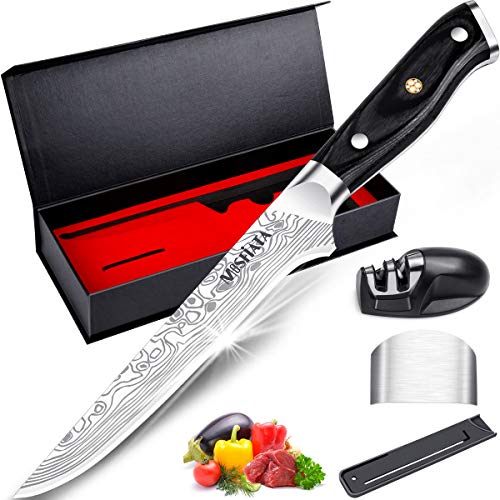
【6 Inch Boning Knife】: This MOSFiATA 6 Inch Boning Knife is made of high-quality German stainless steel that resists rust, corrosion and discoloration. It can be used for your daily kitchen tasks of slicing, deboning and dicing of all kinds of meat. It is suitable for both home and restaurant kitchens
Preventing Rust and Corrosion
Rust and corrosion can quickly degrade your Damascus knife. Always wash your knife after each use with warm, soapy water. Avoid soaking it or putting it in the dishwasher, as prolonged exposure to moisture is detrimental. After washing, dry the knife thoroughly using a soft cloth. For added protection, store your knife in a dry place or a knife block.
Preserving the Knife’s Aesthetic
Keeping your knife looking stunning requires attention. Avoid cutting acidic foods like tomatoes or citrus fruits directly on the blade, as this can dull the finish. Use a cutting board instead. Occasionally apply a food-safe mineral oil to the blade. This practice enhances the visual grain and provides a layer of protection against stains. Clean your knife regularly to maintain its beautiful patterns and shine, making a lasting impression in your kitchen.
Steps to Clean Damascus Steel Kitchen Knife
Cleaning your Damascus steel kitchen knife properly ensures its longevity and maintains its stunning appearance. Follow these steps for effective care.
Initial Rinse and Wipe
Rinse the knife immediately after use. Hold the knife under warm running water to remove food particles. Use a soft sponge to gently wipe the blade. Avoid abrasive pads that could scratch the surface. If there’s stubborn residue, scrub lightly without using excessive force. Rinse again to ensure all debris is gone.
Using Appropriate Cleaning Solutions
Choose a mild dish soap for cleaning. Mix a few drops in warm water. Dip the soft sponge into the soapy water and clean the blade thoroughly. Avoid harsh chemicals or bleach, as they can damage the finish and materials. For extra shine, a small amount of baking soda mixed with water can work on tough stains—apply it gently and rinse well afterward.
Drying Techniques
Dry your knife immediately after washing. Use a soft, lint-free cloth to wipe both the blade and handle. Pat dry instead of dragging the cloth across the blade; this prevents scratches. Ensure no moisture remains, particularly near the bolster or tang, where moisture can promote rust. Store the knife in a designated block or sheath to protect its edges and maintain its beauty.
Maintenance Tips
Maintaining your Damascus steel kitchen knife ensures its longevity and optimal performance. Follow these tips for effective care.
Regular Cleaning Frequency
Clean your knife after each use. This practice prevents food residues from causing stains or corrosion. If you cook daily, aim for at least one thorough cleaning each week. For heavy users, a quick wipe down during food prep can help maintain its shine. Regular attention keeps the blade beautiful and functional.
Proper Storage Methods
Store your knife properly to protect its edge and aesthetic. Use a knife block or magnetic strip to avoid exposing the blade to other utensils that might dull it. A protective sheath also works well. Keep it dry when storing, as moisture leads to rust. Ensure the storage area is free from humidity and extreme temperatures. Proper storage extends your knife’s life significantly.
Conclusion
Taking care of your Damascus steel kitchen knife doesn’t have to be a chore. With just a few simple steps you can keep your knife looking stunning and performing at its best. Remember to wash it with warm soapy water after each use and dry it thoroughly to prevent rust.
Storing it properly will also go a long way in preserving its beauty and sharpness. By following these tips you’ll not only extend the life of your knife but also enhance your cooking experience. Enjoy the craftsmanship of your Damascus steel knife and let it shine in your kitchen for years to come.
Frequently Asked Questions
What is Damascus steel?
Damascus steel is a type of steel known for its strength and distinctive wavy patterns. Traditionally created by forge-welding layers of different steel types, it combines aesthetics with superior edge retention and durability, making it ideal for kitchen knives.
How should I clean my Damascus steel knife?
To clean a Damascus steel knife, rinse it under warm water and use a soft sponge with mild dish soap. Avoid soaking or using abrasive pads. Dry the knife immediately with a lint-free cloth to prevent moisture buildup, especially around the bolster.
Can I use a dishwasher for my Damascus steel knives?
No, it’s not recommended to use a dishwasher for Damascus steel knives. The heat and moisture can damage the blade and handle, leading to corrosion. Always hand wash with warm soapy water and dry promptly.
How can I prevent rust on my Damascus steel knife?
To prevent rust, always clean your knife after each use, avoid moisture, and store it in a dry, humidity-free area. Applying food-safe mineral oil occasionally can also protect the blade and enhance its appearance.
What storage methods are best for Damascus steel knives?
The best storage methods for Damascus steel knives include using a knife block, magnetic strip, or protective sheath. Proper storage prevents dulling of the blade and helps maintain the knife’s beauty.
How often should I clean my Damascus steel knife?
You should clean your Damascus steel knife after each use to prevent food residue buildup. Additionally, aim for a more thorough cleaning at least once a week, especially if you use it daily.
What should I avoid when using my Damascus steel knife?
Avoid cutting acidic foods directly on the blade, as this can damage its finish. Furthermore, do not use abrasive materials for cleaning, and refrain from soaking the knife to maintain its integrity and appearance.
