
Key Takeaways
- Regular Cleaning is Essential: Cleaning the faucet head monthly helps remove mineral buildup and ensures optimal water flow, improving functionality in the kitchen.
- Use Natural Cleaning Solutions: White vinegar and baking soda are effective, eco-friendly options for tackling grime and mineral deposits without harsh chemicals.
- Follow a Simple Step-by-Step Process: Detach the faucet head, soak in vinegar, scrub with a toothbrush, and rinse thoroughly for the best results.
- Preventative Maintenance Matters: Implement practices like using a water softener, checking for leaks, and rinsing after use to prolong the lifespan of your faucet.
- Enhance Kitchen Aesthetics: A clean faucet head contributes to a polished kitchen look, making the space more inviting for you and your guests.
- Invest in a Screen Filter: Installing a mesh screen filter helps catch debris, preventing clogs and promoting better water quality.
Ever looked at your kitchen faucet and wondered why the water flow seems a bit off? A clogged or dirty faucet head can be the culprit, leading to frustrating drips and weak streams. You’re not alone—many people face this common issue.
Importance Of Cleaning Faucet Heads
Cleaning faucet heads is crucial for maintaining optimal water flow. Clogged faucet heads can lead to weak streams, impacting daily tasks like washing dishes and preparing food. Regular cleaning prevents mineral buildup, ensuring consistent water pressure.
Cleaning faucet heads also affects water quality. Debris and bacteria can accumulate, potentially contaminating your drinking water. A clean faucet head ensures you and your family enjoy safe, fresh water.
Additionally, frequent cleaning extends the lifespan of your faucet. It reduces the risk of plumbing issues that arise from corrosion or blockages. Investing time in this task saves money on repairs and replacements later.
Taking care of your faucet head improves the overall look of your kitchen. A clean fixture enhances your kitchen’s appearance, showing attention to detail. Plus, it creates a more inviting space for both you and your guests.
Ultimately, prioritizing faucet head cleanliness can lead to better functionality, safety, and aesthetic appeal in your kitchen.
Materials Needed
To effectively clean your kitchen faucet head, gather the following essential materials.
Recommended Products

Unclogging Showerhead Holes: This shower head cleaner tool provides an efficient and easy unclogging solution to help easily clear clogged shower holes and ensures uninterrupted waterflow

Shower Head Cleaner Tool: The small holes in shower heads are easily clogged and difficult to clean. Lumkew shower head cleaning brush is specially designed for this purpose, and it quickly unclogs the deposits that accumulate in the showerhead, restoring the strong waterflow

Dual-Function Cleaning Brush - Our shower head cleaner combines stainless steel picks and ultra-fine nylon bristles. First, the picks loosen hardened buildup, then the tiny brush dives into narrow nozzles to clear blockages. The shower head cleaning brush ensures every hole is cleaned thoroughly
Cleaning Solutions
- White Vinegar: Acts as a natural disinfectant, breaking down mineral deposits.
- Baking Soda: Helps eliminate tough stains and odors.
- Dish Soap: Provides gentle cleaning, ensuring surfaces stay fresh.
- Water: Dilutes cleaning agents for safe usage.
Tools Required
- Soft Cloth or Sponge: Ideal for gentle scrubbing without scratching surfaces.
- Old Toothbrush: Perfect for reaching small crevices and removing buildup.
- Plastic Bag: Useful for soaking the faucet head in cleaning solution.
- Small Bowl: Serves as a container for mixing solutions.
With these materials on hand, you’re ready to tackle the cleaning process efficiently.
Step-By-Step Guide
Cleaning your kitchen faucet head keeps water flowing smoothly and maintains its appearance. Follow these steps for an effective clean.
Recommended Products
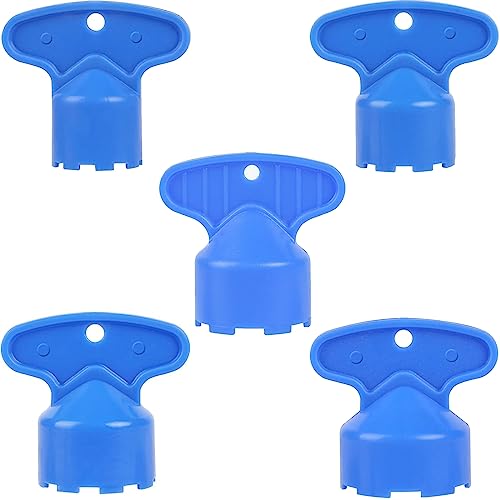
HIGH QUALITY MATERIAL:bubbler key sink bubbler wrench removal tool is made of high quality ABS material, with good overall performance, wear resistance, corrosion resistance, safe to use, easy to disassemble and long service life.

Dual-Function Sprayer: Hibbent kitchen faucet aerator with anti-leak design. Rotate the bottom to switch between soft aerated water and strong spray. 360° swivel supported. Compatibility Note: Fits only faucets with detachable aerators. Incompatible with pull-down faucets, filter-equipped models/devices, RV faucets

360° Rotatable Swivel:Effortlessly target hard-to-clean dead corners, sink edges and hidden spots; perfect for kitchen, laundry, utility and garage sinks with standard threaded faucets.
Preparation
Gather your materials:
- White vinegar: This natural acid dissolves mineral buildup.
- Baking soda: This acts as a gentle abrasive for scrubbing.
- Dish soap: This helps cut through grease.
- Water: Use this to dilute cleaning solutions.
- Soft cloth or sponge: Use this for wiping surfaces.
- Old toothbrush: This reaches tight spots.
- Plastic bag: Use this to soak the faucet head in vinegar.
- Small bowl: This holds your cleaning solutions.
Make sure you have these items ready before starting.
Cleaning Process
- Remove the faucet head: Twist it counterclockwise to detach it from the faucet.
- Soak in vinegar: Place the faucet head in a plastic bag filled with vinegar for about 30 minutes. This helps dissolve mineral deposits.
- Scrub the faucet head: After soaking, use an old toothbrush to scrub any remaining buildup. Pay particular attention to crevices and aerators.
- Make a baking soda paste: Mix baking soda with a bit of water in a small bowl. Apply this paste to stubborn spots and scrub gently.
Rinsing and Drying
- Rinse thoroughly: Hold the faucet head under running water to wash away any cleaning solution and residue.
- Dry completely: Use a soft cloth to dry the faucet head thoroughly. This prevents new mineral buildup from forming.
- Reattach the faucet head: Twist the faucet head back onto the faucet in a clockwise direction until secure.
Follow these steps regularly to keep your kitchen faucet head clean and functioning well.
Preventative Maintenance Tips
Preventing mineral buildup and clogs in your kitchen faucet head is essential for maintaining optimal water flow. Here are practical tips to keep your faucet head in excellent condition:
- Regularly Clean the Faucet Head: Clean the faucet head every month using vinegar or a mild dish soap solution. This practice helps remove any developing mineral deposits.
- Use a Water Softener: Install a water softener if you live in an area with hard water. Softening water reduces mineral accumulation on faucets and appliances.
- Check for Leaks: Inspect your faucet for leaks regularly. A small leak can worsen mineral deposits over time. Fix leaks promptly to prevent further issues.
- Rinse After Use: After using the faucet, give it a quick rinse with water. This action helps wash away soap, food particles, and minerals before they have a chance to build up.
- Install a Screen Filter: Add a mesh screen filter to your faucet. This filter catches debris and prevents it from reaching the faucet head. Clean or replace the filter regularly for best performance.
- Avoid Harsh Chemicals: Stay away from abrasive cleaners or harsh chemicals. These can damage the faucet finish and create more problems than they solve.
- Enjoy Routine Checks: Make it a habit to visually inspect your faucet head while cleaning the kitchen. Notice any mineral buildup or signs of wear early on.
Implementing these tips enhances the longevity and functionality of your kitchen faucet head, ensuring strong water flow and a cleaner kitchen overall.
Recommended Products

DESCALING SOLUTION: This professional grade cleaner will remove limescale and calcium buildup.

Limey is a convenient way to descale and clean your tap faucets.

Deep Cleaning Made Easy: This Faucet Descaling Cap for Limescale Removal lets you fill it with descaler and attach it to your tap outlet for a thorough deep cleaning experience. Effectively dissolves stubborn buildup and keeps faucets clear
Conclusion
Cleaning your kitchen faucet head is a simple yet vital task that can make a big difference in your daily routine. By keeping it free from mineral buildup and debris you not only improve water flow but also enhance the overall look of your kitchen.
Regular maintenance helps prevent plumbing issues down the line and ensures that your water stays clean and safe. So grab those supplies and make it a habit to check and clean your faucet head monthly. Your kitchen will thank you for it!
Frequently Asked Questions
What causes reduced water flow from kitchen faucets?
Reduced water flow is often due to a clogged or dirty faucet head. Mineral buildup or debris can obstruct water flow, leading to frustrating drips and weak streams.
How can I clean my kitchen faucet head?
To clean your kitchen faucet head, gather materials like white vinegar, baking soda, and dish soap. Remove the faucet head, soak it in vinegar, scrub with an old toothbrush, and rinse thoroughly before reattaching.
How often should I clean my faucet head?
It’s recommended to clean your faucet head monthly to prevent mineral buildup and maintain optimal water flow and quality in your kitchen.
What materials do I need to clean a faucet head?
You’ll need white vinegar, baking soda, dish soap, water, a soft cloth or sponge, an old toothbrush, a plastic bag, and a small bowl for effective faucet cleaning.
How does cleaning the faucet head affect water quality?
Regular cleaning prevents the accumulation of debris and bacteria, reducing the risk of contamination in drinking water, thus improving overall water quality.
What are some preventative maintenance tips for a faucet head?
To maintain a faucet head, clean it monthly, use a water softener for hard water areas, check for leaks, and install a screen filter to catch debris.
Can cleaning my faucet head extend its lifespan?
Yes, frequent cleaning can help prevent plumbing issues, reduce repair costs, and extend the lifespan of your faucet, ensuring it functions properly for years.
