
Key Takeaways
- Understanding Grease Film: Grease film accumulates on kitchen cabinets from cooking oils, dust, and heat, leading to a sticky and dull surface.
- Causes of Buildup: High cooking frequency, cooking methods like frying, and inadequate ventilation are primary factors that accelerate grease accumulation.
- Signs of Grease Film: Indicators include a dull appearance, sticky surfaces, and visible dark streaks on cabinets, signaling it’s time to clean.
- Essential Cleaning Supplies: Use dish soap, vinegar, baking soda, or commercial degreasers, along with microfiber cloths, sponges, and protective gloves for effective cleaning.
- Step-by-Step Cleaning Process: Prepare your area, apply a suitable cleaning solution, tackle tough spots with baking soda, and rinse and dry properly to restore cabinet shine.
- Preventive Measures: Regular maintenance, proper ventilation, and immediate cleaning of spills can help minimize grease buildup, keeping your kitchen cabinets looking fresh.
Ever looked at your kitchen cabinets and wondered how they got so grimy? If you cook often, that greasy film can sneak up on you, dulling the shine of your cabinets and making your kitchen feel less inviting. You’re not alone—many face this common kitchen dilemma.
Understanding Grease Film
Grease film refers to the thin layer of residue that builds up on kitchen cabinets over time, primarily caused by cooking. This residue forms when cooking oils and vapors combine with dust and heat, creating a sticky surface. Frequent cooking can accelerate this process, especially when frying or sautéing.
Types of Grease Film
- Culinary Grease: This comes from oils, butter, and other cooking fats. It tends to be the most common type found on kitchen cabinets.
- Food Particles: Tiny bits of food can contribute to the greasy buildup. These particles may stick to surfaces, making cleaning more challenging.
- Smoke Residue: Cooking smoke can also lead to a greasy film, especially if there’s not enough ventilation. This residue tends to be thicker and darker.
Causes of Grease Buildup
- High Cooking Frequency: The more you cook, the more grease accumulates. Grease can cling to cabinets, particularly those near the stove.
- Cooking Techniques: Techniques like frying release more grease into the air than methods like baking. Consider how often frying occurs in your kitchen.
- Inadequate Ventilation: Without proper ventilation, grease and smoke linger in the kitchen, settling on surfaces and contributing to the film.
Signs of Grease Film
- Dull Appearance: Cabinets lose their shine as grease builds up, leading to a lackluster look.
- Sticky Surface: You may notice a sticky feel on cabinet doors and surfaces when you touch them.
- Visible Residue: Dark streaks or spots indicate the presence of grease film. If you see these signs, it’s time to clean.
Importance of Cleaning
Cleaning the grease film not only enhances your kitchen’s appearance but also extends the life of your cabinetry. Regular maintenance helps prevent further buildup and keeps your kitchen inviting. It’s easier to manage grease when addressed promptly, avoiding tougher scrubbing later.
Tools and Materials Needed
Cleaning grease film off kitchen cabinets requires specific tools and materials for effective results. Here’s what you’ll need:
Cleaning Agents
- Dish Soap: Use a gentle dish soap mixed with water for a safe and effective cleaning solution.
- Vinegar: A mixture of equal parts vinegar and water breaks down grease while deodorizing surfaces.
- Baking Soda: This non-abrasive cleaner tackles tough spots when combined with water to form a paste.
- Commercial Degreaser: For heavy buildup, choose a degreaser designed for kitchen surfaces. Always follow package instructions for safe use.
Cleaning Tools
- Microfiber Cloths: These lint-free cloths trap grease without scratching surfaces, making them ideal for cleaning cabinets.
- Sponge: A soft sponge helps apply cleaning agents evenly without damaging the cabinet finish.
- Scrub Brush: For stubborn grease, a soft-bristled scrub brush can provide extra scrubbing power without harming the cabinet surface.
- Bucket: Use a bucket to mix your cleaning solutions and rinse used cloths or sponges.
- Protective Gloves: Wear gloves to protect your skin from harsh chemicals when using commercial products.
Having these tools and materials readily available makes the cleaning process more efficient and effective.
Step-by-Step Guide
You can effectively clean grease film off your kitchen cabinets by following these simple steps. Preparation and the right techniques make all the difference in achieving a clean and shiny kitchen.
Recommended Products

CABINET & FURNITURE CLEANER: Removes dirt, grime & grease buildup
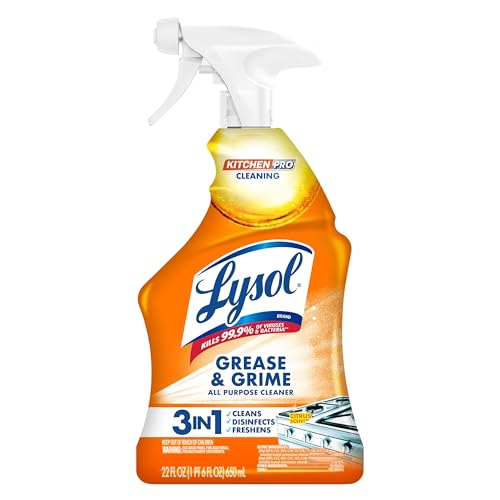
ELIMINATES 99.9% OF KITCHEN VIRUSES AND BACTERIA INCLUDNG SALMONELLA AND E.COLI: Lysol Pro Kitchen Cleaner is tested and proven to eliminate 99.9% of viruses and bacteria* (when used as directed). EPA Reg #777-91.
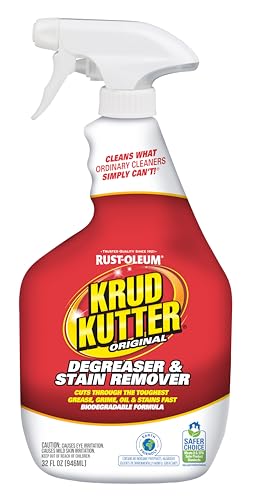
CUTS GREASE AND GRIME: Water-based cleaner degreaser is designed to cut grease, oil, grime, tar and wax fast
Preparing the Area
- Clear the countertops: Remove any items from the counter to give yourself space for cleaning.
- Cover surrounding areas: Lay down a drop cloth or old towels around the cabinets to catch any drips or spills.
- Gather your supplies: Collect gentle dish soap, vinegar, baking soda, commercial degreasers, microfiber cloths, soft sponges, a scrub brush, and gloves.
- Turn off appliances: Ensure any cooking appliances are turned off and cooled down before starting.
Cleaning Techniques
- Mix your cleaning solution: Combine warm water with a few drops of dish soap or use a vinegar-water mixture (1 part vinegar to 3 parts water) for a natural cleaner.
- Apply the solution: Soak a microfiber cloth in your cleaning solution, wring it out, and gently wipe the greasy surfaces. Always start from the top and work your way down.
- Use baking soda for tough spots: For stubborn grease, create a paste of baking soda and a little water. Apply it to the affected area and scrub gently with a soft sponge or scrub brush.
- Rinse and dry: Wipe down the cabinets with a clean damp cloth to remove any cleaning residue, then dry with a dry cloth to prevent streaks.
- Repeat if necessary: If any grease remains, repeat the cleaning process until the surface is entirely clean.
By following these practical steps, you’ll restore your kitchen cabinets to their original glory.
Preventive Measures
Maintaining clean kitchen cabinets requires proactive strategies. Implementing these preventive measures reduces grease buildup and keeps your kitchen looking fresh.
Regular Maintenance
Regular maintenance plays a crucial role in preventing grease film on kitchen cabinets. Schedule weekly wipe-downs with a damp microfiber cloth to remove any moisture and residue. Use a gentle dish soap solution for deeper cleanings at least once a month. This routine minimizes buildup, making the cabinets easier to clean.
Best Practices
Adopt best practices for cooking to further prevent grease accumulation. Ensure proper ventilation while cooking, which includes using exhaust fans or opening windows. Avoid high-heat methods, like frying, that generate more grease. Use lids on pots and pans to contain splatter. Additionally, after cooking, wipe surfaces immediately to catch any splatters or spills before they dry. Investing in a splatter guard can also help keep grease contained during cooking processes.
These measures contribute to a cleaner kitchen environment and maintain the aesthetics of your cabinets, making cleaning less daunting in the long run.
Conclusion
Keeping your kitchen cabinets clean doesn’t have to be a daunting task. With the right tools and techniques you can easily tackle that grease film and restore their shine. Regular maintenance and a few simple habits can make a world of difference in preventing buildup.
Remember to take it one step at a time and don’t hesitate to repeat the process if needed. Your kitchen will not only look better but will also feel more inviting. A little effort goes a long way in creating a space you love to cook in. Happy cleaning!
Frequently Asked Questions
What causes grease film on kitchen cabinets?
Grease film on kitchen cabinets is primarily caused by cooking oils, food vapors, dust, and heat. Frequent cooking, especially methods like frying or grilling, and poor ventilation contribute significantly to the accumulation of grease, leading to a sticky and dull appearance over time.
How can I tell if my cabinets need cleaning?
You may need to clean your cabinets if they exhibit a dull appearance, feel sticky to the touch, or show visible residue. These signs indicate the buildup of grease and grime, suggesting that cleaning is necessary to restore their look and maintain kitchen hygiene.
What tools and materials do I need to clean grease film?
To clean grease film, gather essential tools like microfiber cloths, soft sponges, scrub brushes, a bucket for mixing solutions, and protective gloves. Cleaning agents can include gentle dish soap, vinegar mixed with water, baking soda, or commercial degreasers for tougher buildup.
How do you clean grease film from kitchen cabinets?
Start by preparing your workspace by clearing countertops and covering surrounding areas. Mix your cleaning solution, apply it with a microfiber cloth, scrub tough spots with baking soda, and rinse; then dry the cabinets thoroughly. Repeat the process if any grease remains.
What preventive measures can I take to avoid grease buildup?
To prevent grease buildup, regularly wipe down cabinets with a damp microfiber cloth, conduct deeper cleanings at least once a month, and maintain proper cooking practices. Ensure good ventilation, avoid high-heat cooking methods, and wipe surfaces immediately after cooking to minimize grease accumulation.
