
Key Takeaways
- Understanding Grease Accumulation: Kitchen grease comes from cooking methods, open flames, and lack of ventilation, making it essential to recognize common sources to effectively prevent buildup.
- Essential Cleaning Supplies: Use a combination of all-purpose cleaners, vinegar, baking soda, dish soap, and glass cleaner, along with tools like microfiber cloths, sponges, and squeegees for efficient cleaning.
- Step-by-Step Process: Prepare the area, apply your cleaning solution, wipe down the window, and ensure a streak-free finish by rinsing and drying properly.
- Preventive Measures: To minimize future grease buildup, cover pots while cooking, ensure proper ventilation, and maintain a regular cleaning schedule.
- Regular Maintenance: Clean windows monthly and use effective cleaners, while checking for stains frequently to avoid stubborn residues later.
- Teamwork and Variety: Enlist help from family members to make cleaning more efficient and employ different cleaning methods to keep the process effective and engaging.
Ever noticed how kitchen grease can turn your once-clear windows into a cloudy mess? You’re not alone. Cooking splatters and steam can leave your glass looking grimy, making your kitchen feel less inviting.
Understanding The Challenge
Cleaning grease from kitchen windows presents a unique set of challenges. Kitchen grease accumulates easily, creating a greasy film that impacts visibility and aesthetic appeal.
The Nature Of Kitchen Grease
Kitchen grease consists of fats, oils, and food particles. It can harden or thicken over time, making it harder to clean. When cooking, steam and splatters carry microscopic grease particles that land on surfaces, including windows. As these particles combine with dust and dirt, they form a stubborn residue, often requiring specific cleaning methods for effective removal.
Common Sources Of Grease On Windows
Grease on windows typically originates from various activities in the kitchen. Common sources include:
- Cooking methods: Frying or sautéing generates more splatter than boiling or baking.
- Open flames: Gas stoves emit combustion byproducts that can contribute to greasy deposits on windows.
- Lack of ventilation: Poor air circulation increases the likelihood of grease settling on surfaces.
- Spillovers: Uncovered pots and pans can lead to unexpected splashes or spills.
- High-fat foods: Cooking items like bacon or fried chicken produces greater grease levels.
Recognizing these sources helps prevent future build-up and prepares you for effective cleaning strategies.
Essential Cleaning Supplies
Gathering the right supplies makes cleaning grease off kitchen windows easier. Here’s a list of recommended products and tools to help you tackle this task efficiently.
Recommended Products
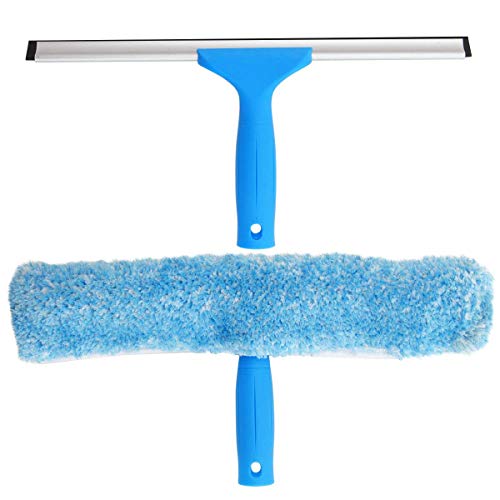
14-inch (35cm) Squeegee & Microfiber Window Washer

10-inch (25cm) Squeegee & Microfiber Window Washer

⭐【All Purpose Cleaning Tool】Squeegee for Window Cleaning not just for glass windows cleaning but also for glass walls, car windshields and windows, shower doors, foggy bathroom door, marble counter and washstand, mirrors and tiles or any other places you may want to clean with.
Recommended Cleaning Products
- All-Purpose Cleaner: Choose a grease-cutting formula. Look for products specifically labeled for kitchen use.
- Vinegar: This natural cleaner effectively cuts through grease and leaves a streak-free shine.
- Baking Soda: Baking soda acts as a gentle abrasive. Mix it with water to create a paste for tough spots.
- Dish Soap: A few drops of dish soap mixed with warm water can help loosen grease.
- Glass Cleaner: Use a commercial glass cleaner for final touches and extra shine.
Tools For Effective Cleaning
- Microfiber Cloths: These cloths trap grease and grime without scratching surfaces. Use one for applying cleaner and another for drying.
- Sponge: A soft sponge helps scrub away stubborn grease without damaging your window.
- Squeegee: This tool is excellent for removing excess liquid from windows. It prevents streaks and ensures a clean finish.
- Scraper: A plastic scraper can help remove thick, hardened grease without harming the glass.
- Bucket: Fill a bucket with warm, soapy water for soaking cloths or rinsing tools.
Having these supplies on hand streamlines the cleaning process, making it simple and effective.
Step-By-Step Cleaning Process
Follow these steps to effectively clean grease off your kitchen window. This process ensures a clear, streak-free finish.
Recommended Products

Powerful Steam Cleaner: This steam cleaner heats up in just 15 seconds, releasing 221°F (105°C) high-temperature steam with 3BAR pressure to instantly dissolve stubborn grease, grime, stains and bacteria. No long waits. Operating at 1500W, it efficiently removes dirt, making it a powerful ally for household cleaning

Material: G1 Steam cleaner features a handle, main body, and transparent water tank all made of one piece ABS material, ensuring it is heat resistant, scratch resistant, and distortion free in working environments. Handheld steam cleaner designed for impact resistance and structural stability, this durable device offers a long service life and high reliability, making it a perfect portable home steam cleaner or mini steam cleaner for cleaning various different surfaces

REVITALIZE WITHOUT SCRATCHING: The ultimate kit to keep your glass cooktop clean and shiny! Apply our best -selling cooktop cream with micro-bead technology to boost cleaning power and de-grease your surface. Our non-abrasive cooktop scrubbing pad helps easily remove heavily burned on foods, grease & grime. Use our scraper tool to gently remove extra-tough spots clinging to your cooktop surface
Preparing The Area
- Move any furniture or obstacles away from the window.
- Lay down a drop cloth or old towels to catch any drips.
- Make sure the window is closed to prevent any cleaning solution from dripping inside.
- Gather all your cleaning supplies for easy access.
Applying Cleaning Solutions
- Spray your chosen grease-cutting cleaner generously over the greasy areas.
- If using a vinegar solution, mix equal parts vinegar and water in a spray bottle before applying.
- For tough spots, sprinkle baking soda directly on the grease before applying the cleaning solution.
- Allow the cleaning solution to sit for a few minutes to break down the grease.
Wiping And Rinsing Techniques
- Use a microfiber cloth or soft sponge to wipe down the window, starting from the top to the bottom.
- Employ a squeegee for removing excess cleaning solution, using a downward stroke for best results.
- Rinse the window with clean water using a separate cloth or sponge to remove any residual cleaning product.
- Dry the window with a clean, dry microfiber cloth to prevent streaks.
By following these steps, your kitchen window will shine and stay clear for a more inviting atmosphere.
Tips For Maintaining Clean Windows
You can keep your kitchen windows clear with a few proactive measures. Regular maintenance and prevention help minimize grease buildup and keep your view fresh.
Recommended Products

#1 Most effective Heavy-Duty Degreaser – This Heavy Duty formula breaks down stubborn grease and grime for a deep clean in seconds!
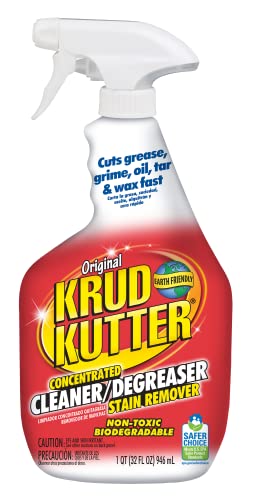
This item is a KRUD KUTTER KK32 Original Concentrated Cleaner/Degreaser, 32-Ounce

KITCHEN DEGREASER - breaks down the toughest gunk and grime, leaving your kitchen spotless
Preventing Future Grease Buildup
- Use a Lid: Cover pots and pans while cooking to prevent splatters from reaching your windows.
- Ventilate: Turn on kitchen vents or open windows while cooking. This reduces steam and gas buildup, which can settle on glass surfaces.
- Avoid High-Fat Cooking: Limit frying and roasting of fatty foods. Opt for grilling or baking to reduce grease production.
- Wipe Daily: Make it a habit to wipe down your kitchen surfaces daily, including windows. A damp cloth can catch any splatters before they dry and harden.
- Choose Grease-Free Options: Select non-stick cookware to help minimize oil usage, decreasing the potential for splatters.
Regular Cleaning Routines
- Establish a Schedule: Clean your kitchen windows at least once a month. A regular routine prevents heavy grease buildup.
- Use the Right Cleaners: Always use a cleaner formulated for cutting through grease. Combining vinegar and baking soda creates a powerful, natural alternative.
- Check for Stains: Inspect your windows frequently for stubborn stains. Deal with them promptly to avoid increased difficulty in removal.
- Mix It Up: Alternate between cleaning methods. Use a microfiber cloth one time and a squeegee the next. Variety can increase efficiency.
- Enlist Help: If needed, get family members to join in. Cleaning becomes faster and more enjoyable with teamwork.
Conclusion
Cleaning grease off your kitchen windows doesn’t have to be a daunting task. With the right supplies and a few simple steps you can restore clarity and shine to your glass. By incorporating regular cleaning into your routine and being mindful of cooking practices you can prevent grease buildup and keep your kitchen looking its best.
Remember that a little maintenance goes a long way. So grab your supplies and tackle those windows with confidence. Enjoy the bright and inviting atmosphere a clean kitchen brings to your home. Happy cleaning!
Frequently Asked Questions
What causes kitchen grease on windows?
Kitchen grease on windows is caused by cooking splatters, steam, and smoke. Common sources include frying, open flames, spillovers from uncovered pots, and preparing high-fat foods. Lack of ventilation also contributes to grease accumulation on glass surfaces.
How can I effectively clean grease from my kitchen windows?
To clean grease from kitchen windows, start by removing obstacles and applying a grease-cutting cleaner or a vinegar solution. Use a microfiber cloth or soft sponge to wipe the area. For tough spots, apply baking soda first. Finish by rinsing with clean water and using a squeegee for a streak-free finish.
What cleaning supplies do I need for this task?
Essential cleaning supplies include an all-purpose grease-cutting cleaner, vinegar, baking soda, dish soap mixed with warm water, and commercial glass cleaner. Useful tools are microfiber cloths, soft sponges, squeegees, plastic scrapers, and buckets for soaking and rinsing.
How often should I clean my kitchen windows?
It’s recommended to clean kitchen windows at least once a month to prevent grease buildup. Regular cleaning helps maintain clarity and an inviting atmosphere in your kitchen.
What tips can I follow to prevent grease buildup on kitchen windows?
To prevent grease buildup, use lids while cooking, ensure proper kitchen ventilation, avoid high-fat cooking methods, and establish a daily wiping routine. Regular maintenance will help keep your kitchen windows clean and clear.

