
Key Takeaways
- Understanding Grease Buildup: Greasy kitchen ceilings are primarily caused by cooking, particularly with fatty foods, and can be mitigated with proper ventilation and cooking practices.
- Essential Cleaning Tools: Gather necessary materials such as dish soap, vinegar, baking soda, a step ladder, sponges, microfiber cloths, and scrub brushes to effectively clean your kitchen ceiling.
- Step-by-Step Cleaning Process: Prepare the area, apply appropriate cleaning solutions, scrub gently, and rinse thoroughly to tackle grease effectively and prevent damage to your ceiling.
- Regular Maintenance is Key: Wiping down surfaces after cooking, using exhaust fans, and dusting ceilings frequently can significantly reduce grease accumulation and maintain a cleaner kitchen.
- Preventive Cooking Techniques: Use healthier cooking methods, cover pots when frying, and cook at lower temperatures to minimize grease release and keep your kitchen ceiling cleaner for longer.
Ever looked up at your kitchen ceiling and thought, “Wow, that’s a mess”? Grease and grime can build up over time, making your space feel less inviting. If you’ve cooked anything from bacon to stir-fry, you know how quickly that ceiling can turn into a sticky canvas.
Understanding Greasy Kitchen Ceilings
Greasy kitchen ceilings often result from cooking. Fats and oils released during cooking cling to surfaces. Foods like bacon and stir-fry can quickly cause buildup. This grime not only looks unappealing but can also contribute to an unpleasant odor.
The accumulation of grease depends on various factors. Kitchen ventilation plays a crucial role. Without proper airflow, grease settles on ceilings more easily. Additionally, the frequency of cooking impacts buildup. More cooking leads to more grease.
Identifying the type of grease also helps in cleaning. Cooking oils vary, some being thicker and stickier. Lighter oils, on the other hand, may wash away more easily. Knowing what you’re dealing with allows you to choose the right cleaning method.
Regular maintenance prevents stubborn grease buildup. Wiping down surfaces after cooking creates a cleaner environment. You can make this part of your routine, ensuring that grease doesn’t accumulate excessively over time.
Tools and Materials Needed
Cleaning a greasy kitchen ceiling requires specific tools and materials to ensure efficiency and effectiveness. Gather the following items before starting your cleaning project.
Recommended Products

#1 Most effective Heavy-Duty Degreaser – This Heavy Duty formula breaks down stubborn grease and grime for a deep clean in seconds!
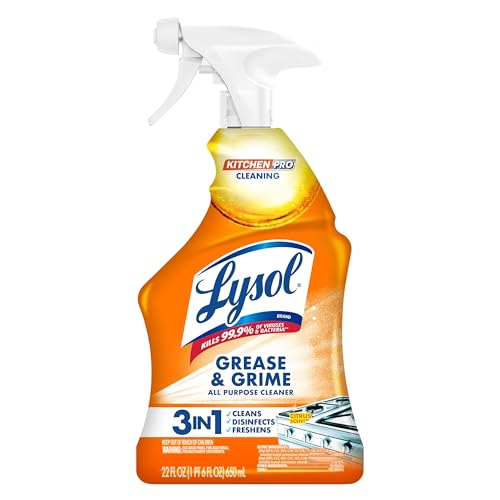
ELIMINATES 99.9% OF KITCHEN VIRUSES AND BACTERIA INCLUDNG SALMONELLA AND E.COLI: Lysol Pro Kitchen Cleaner is tested and proven to eliminate 99.9% of viruses and bacteria* (when used as directed). EPA Reg #777-91.
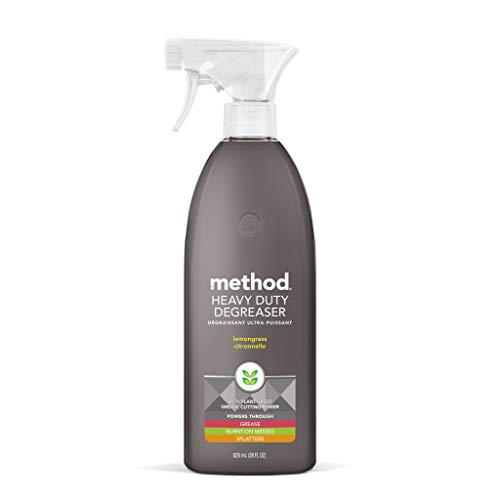
Contains (1) 28 ounce bottle of heavy duty degreaser.
Cleaning Solutions
- Dish soap: Use a solution of warm water and a few drops of dish soap. This mixture cuts through grease effectively.
- Vinegar: Mix equal parts vinegar and water for a natural degreaser. Vinegar breaks down grease and neutralizes odors.
- Baking soda: Make a paste with water for tough spots. Baking soda acts as a gentle abrasive that can lift stubborn grime.
- Commercial cleaners: Consider products designed for kitchen surfaces, specifically those labeled as degreasers. Follow the manufacturer’s instructions for best results.
Cleaning Tools
- Step ladder: A sturdy ladder allows you to reach high ceilings safely.
- Sponge: Use a soft sponge for applying cleaning solutions without scratching the ceiling surface.
- Microfiber cloths: Grab these for wiping down surfaces after cleaning. They’re effective at trapping dust and grease.
- Scrub brush: For stubborn spots, a soft-bristled scrub brush helps lift grime without damaging the ceiling.
- Bucket: Keep a bucket handy for mixing solutions and rinsing sponges or cloths.
- Spray bottle: Use this to store and easily apply your vinegar and water solution or any commercial cleaner.
Ensure all tools and materials are ready before starting the cleaning process for smooth and efficient results.
Step-by-Step Guide
Follow these steps to clean a greasy kitchen ceiling effectively.
Preparing the Area
- Clear the Space: Remove any items from countertops or nearby surfaces. This prevents mess and allows for easy access to the ceiling.
- Protect Surfaces: Lay down drop cloths or old towels on surfaces to catch any dripping grease or cleaning solution.
- Ventilate the Room: Open windows and turn on exhaust fans. Good airflow helps reduce odors and improves cleaning efficiency.
Applying Cleaning Solutions
- Mix Cleaning Solution: Combine warm water and dish soap in a bucket. For tougher grime, mix equal parts vinegar and water or create a baking soda paste with water.
- Use a Spray Bottle: Fill a spray bottle with your chosen cleaning solution for easy application. This helps distribute the cleaner evenly across the ceiling.
- Test on a Small Area: Before applying to the entire ceiling, test the solution on a small, inconspicuous area. Ensure it doesn’t damage the surface or paint.
Scrubbing Techniques
- Soak and Scrub: Spray the cleaning solution on sections of the ceiling, allowing it to soak for a few minutes. Use a soft-bristled scrub brush or sponge to gently scrub away grease buildup.
- Rinse as You Go: After scrubbing each section, rinse with a clean cloth dampened in warm water. This removes any residue from the cleaning solution.
- Dry Thoroughly: After rinsing, wipe down the ceiling with a dry microfiber cloth to remove any moisture. This helps prevent new grease from sticking quickly.
Following these steps makes cleaning your greasy kitchen ceiling straightforward and efficient.
Preventive Measures
Preventing greasy kitchen ceilings begins with consistent practices during cooking. Implementing the right strategies reduces buildup and makes cleaning easier later.
Regular Maintenance Tips
- Wipe surfaces after cooking: Clean the stovetop and nearby surfaces with a damp cloth after every meal. This stops grease from traveling upward to the ceiling.
- Use exhaust fans: Run exhaust fans while cooking to reduce smoke and grease particles in the air. Keeping them on for 10-15 minutes after cooking also helps clear lingering odors.
- Clean light fixtures: Grease can settle on light fixtures. Regularly wipe them down to reduce overall buildup in your kitchen.
- Dust ceilings frequently: Use a microfiber cloth or duster to remove dust on ceilings every month. This simple task helps prevent grease from accumulating.
Choosing the Right Cooking Methods
- Opt for healthier cooking techniques: Grilling, baking, and steaming release less grease than frying. These methods can help keep your ceiling cleaner.
- Cover pots and pans: Use lids while cooking to contain splatters. This simple step traps moisture and grease inside, reducing ceiling stains.
- Limit frying: If frying is necessary, try to do it less frequently. Reserve frying for special occasions.
- Cook with lower heat: Cooking at lower temperatures prevents excessive smoke and grease vapors from escaping.
By adopting these preventive measures, you maintain a cleaner kitchen environment and simplify the cleaning process for greasy kitchen ceilings.
Conclusion
Cleaning your greasy kitchen ceiling doesn’t have to be a daunting task. By gathering the right tools and following a simple step-by-step process you can restore that fresh look to your kitchen. Remember to be patient and take your time as you scrub away the grime.
Incorporating regular maintenance into your cooking routine will help keep the grease at bay. With a few small changes like using exhaust fans and wiping surfaces after cooking you’ll find it easier to maintain a clean space. So roll up your sleeves and enjoy a brighter kitchen that feels inviting and fresh. Happy cleaning!
Frequently Asked Questions
What causes grease buildup on kitchen ceilings?
Grease buildup on kitchen ceilings typically results from fats and oils released during cooking. Foods like bacon and stir-fry can contribute significantly to this issue. Factors like kitchen ventilation and cooking frequency also influence the amount of grease that accumulates.
How can I clean a greasy kitchen ceiling?
To clean a greasy kitchen ceiling, gather necessary tools like a sturdy ladder, soft sponges, and cleaning solutions (e.g., warm soapy water, vinegar, or commercial degreasers). Apply the solution to the ceiling in sections, scrub gently, rinse, and dry thoroughly to prevent new grease from sticking.
What cleaning solutions are recommended for greasy ceilings?
Recommended cleaning solutions include a mixture of warm water and dish soap, vinegar and water, and a baking soda paste for tough spots. Commercial degreasers can also be effective for heavy buildup. Always test solutions on a small area first to check for any adverse reactions.
How can I prevent grease accumulation on my ceiling?
To prevent grease accumulation, regularly wipe down surfaces after cooking, use exhaust fans, and clean light fixtures often. Adopt healthier cooking methods, such as grilling or steaming, and use lids to cover pots. Consistent maintenance will reduce the need for extensive cleaning.
How often should I clean my kitchen ceiling?
It’s best to clean your kitchen ceiling every few months or sooner if you notice significant grease buildup. Regular maintenance after heavy cooking sessions, like wiping down surfaces, can also help keep your ceiling cleaner over time, minimizing the need for deep cleaning.
