
Key Takeaways
- Understand Causes of Grease Accumulation: Daily cooking activities, particularly frying and poor ventilation, contribute significantly to greasy buildup on kitchen tiles.
- Recognize Cleaning Indicators: Look for signs like dull tiles, visible stains, and lingering odors to determine when your tiles need thorough cleaning.
- Utilize Effective Cleaning Methods: Regular maintenance and using appropriate cleaners—both commercial and DIY solutions like vinegar and baking soda—can efficiently tackle grease.
- Gather Essential Cleaning Tools: Having the right tools, including scrub brushes, microfiber cloths, and suitable cleaning products, makes the cleaning process more effective.
- Implement Preventive Strategies: To minimize future grease buildup, use splatter guards, maintain proper ventilation, and perform regular wipe-downs after cooking.
- Establish a Cleaning Routine: Schedule routine deep cleaning sessions to manage grease accumulation and keep your kitchen tiles in pristine condition.
Ever looked at your kitchen tiles and thought, “How did it get this greasy?” Cooking can leave your tiles looking less than pristine, making your kitchen feel less inviting. If you’ve ever scrubbed and scrubbed only to see little improvement, you’re not alone.
Understanding Greasy Kitchen Tiles
Greasy kitchen tiles often accumulate from daily cooking activities. Oils and splatters from food can adhere to surfaces, resulting in a dull appearance. You might notice residue on walls around the stove or backsplash areas. This buildup not only looks unsightly but can also create a breeding ground for bacteria.
Causes of Greasy Buildup
- Cooking Methods: Frying and sautéing release more grease into the air, increasing the likelihood of settling on tiles.
- Lack of Ventilation: Poor airflow allows grease to remain in the kitchen, leading to more accumulation on surfaces, including tiles.
- Overcrowding: Cluttered countertops can make cleaning difficult, causing grease to build up around stovetops and sink areas.
Signs You Need to Clean
- Dull Luster: Tiles lose their shine when grease settles in.
- Visible Stains: Dark or yellowish spots signal grease buildup.
- Odors: Lingering cooking smells can indicate dirty tiles needing attention.
Effective Cleaning Approaches
- Regular Maintenance: Clean tiles weekly to prevent excessive buildup.
- Use Appropriate Cleaners: Non-abrasive cleaners can effectively break down grease without damaging tile surfaces.
- Consider DIY Solutions: Ingredients like vinegar and baking soda create effective cleaning mixtures to tackle grease.
Understanding these aspects of greasy kitchen tiles helps you identify issues and take action. Recognizing the causes, signs, and effective cleaning methods makes the task less daunting.
Essential Cleaning Tools and Supplies
Gather the right tools and supplies for effectively cleaning greasy kitchen tiles. Having everything you need on hand makes the process smoother and more efficient.
Recommended Products
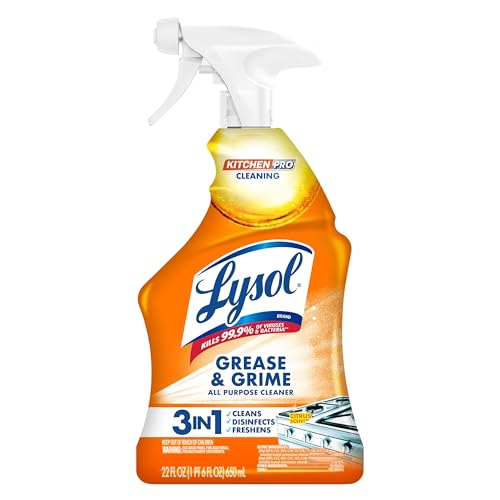
ELIMINATES 99.9% OF KITCHEN VIRUSES AND BACTERIA INCLUDNG SALMONELLA AND E.COLI: Lysol Pro Kitchen Cleaner is tested and proven to eliminate 99.9% of viruses and bacteria* (when used as directed). EPA Reg #777-91.
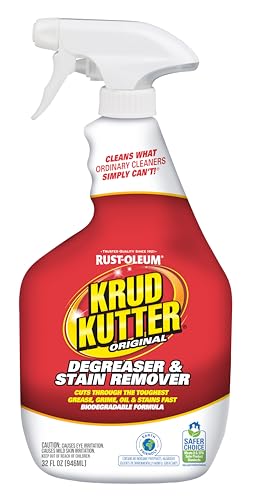
Heavy Duty Degreasing Performance: Helps break down grease, oil, grime, wax, and tough stains across a wide range of surfaces

#1 Most effective Heavy-Duty Degreaser – This Heavy Duty formula breaks down stubborn grease and grime for a deep clean in seconds!
Natural Cleaning Solutions
- Vinegar: Mix equal parts of water and vinegar in a spray bottle. Vinegar cuts through grease and provides a streak-free shine.
- Baking Soda: Create a paste with baking soda and water. Apply it to greasy spots, let it sit for a few minutes, then scrub away dirt.
- Lemon Juice: Use lemon juice for its natural acidity and fresh scent. Apply it directly to stained tiles for a natural clean.
- Dish Soap: Combine a few drops of dish soap with warm water in a bucket. This solution helps lift oil and grime effectively.
Commercial Cleaning Products
- Degreasers: Look for a commercial degreaser labeled safe for tiles. Follow the manufacturer’s instructions for optimal results.
- Tile Cleaners: Use specialized tile cleaners designed to tackle grease and stains. Check that the product is suitable for the type of tiles you have.
- Multi-Surface Cleaners: Choose a multi-surface cleaner for convenience. Ensure it’s effective on grease while being safe for your tiles.
- Scrub Brushes and Microfiber Cloths: Use a scrub brush with stiff bristles for tough spots. Microfiber cloths are ideal for wiping down surfaces without scratching.
Selecting the right tools and solutions enhances your cleaning routine, making it easier to maintain clean, shiny kitchen tiles.
Step-by-Step Guide to Cleaning Greasy Kitchen Tiles
Follow these steps to tackle greasy kitchen tiles effectively.
Preparing the Area
Clear the area around the tiles to ensure easy access. Remove any items from countertops, appliances, or walls. Cover nearby surfaces with a cloth or newspaper to protect them from cleaning solutions. Ensure good ventilation by opening windows or turning on an exhaust fan. This helps to minimize fumes from cleaning products.
Applying the Cleaning Solution
Choose a cleaning solution based on your preference. If using a commercial degreaser, spray it directly onto the tiles. For a DIY mixture, combine equal parts of vinegar and water in a spray bottle. Spray the solution liberally over the greasy areas, ensuring even coverage. Let the solution sit for about 5 to 10 minutes. This dwell time allows the cleaner to penetrate and loosen the grease.
Scrubbing Techniques
Use a non-abrasive scrub brush or sponge to scrub the tiles. Start at the top and work your way down to prevent dirty water from dripping onto clean areas. Focus on stubborn spots, applying a bit more pressure. For grout lines, use a toothbrush to scrub away grime. Rinse the tiles with clean water after scrubbing to remove cleaning solution and debris. Wipe the area with a microfiber cloth for a streak-free finish. Repeat the process on any remaining greasy spots until the tiles shine.
Preventive Measures for Future Grease Buildup
Taking preventive measures keeps your kitchen tiles clean and reduces grease buildup. Here are some effective strategies:
Recommended Products

PROTECTS FROM HOT SPITTING OIL - Our oil splatter guard shield securely joins to the handles of cookware to protect your hands from painful burns - Forget about hurtful blisters. No more need for potholders and oven mitts.
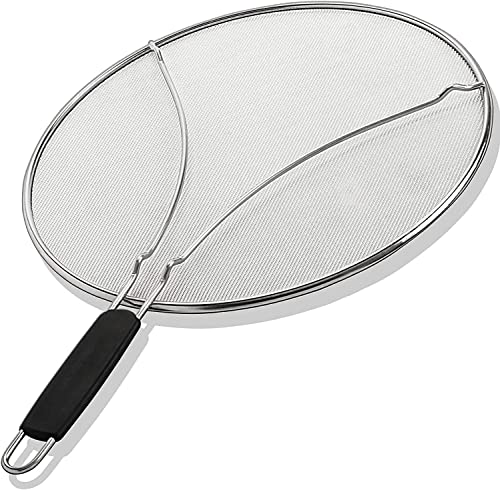
PROTECTS FROM HOT SPITTING OIL - Our oil splatter guard shield securely joins to the handles of cookware to protect your hands from painful burns - Forget about hurtful blisters. No more need for potholders and oven mitts.

【Clean and Tidy】Our silicone splatter screen for frying pan is your kitchen's shield against oil and food splatters,ensuring a clean cooking experience every time.Having this grease splatter guard, enjoy stress-free cooking without the hassle of cleaning up stubborn grease stains.
Use a Splatter Guard
Using a splatter guard while frying or sautéing helps contain grease. It provides a barrier, preventing oil from landing on your tiles.
Ensure Proper Ventilation
Running your kitchen exhaust fan reduces grease particles in the air. Open windows, if possible, to increase airflow and minimize buildup around tiles.
Regular Wipe-downs
Performing quick wipe-downs after cooking keeps grease from settling. A damp sponge or microfiber cloth works well for this task.
Clean Spills Immediately
Wiping up spills—like oil or sauce—right away prevents permanent stains. Keep a rag handy near your cooking area for quick cleanups.
Maintain a Clutter-free Countertop
Keeping countertops clear limits splatter zones. Less clutter means fewer surfaces for grease to land on.
Opt for Low-Fat Cooking Methods
Choosing healthier cooking methods, such as steaming or baking, produces less grease. These options keep your kitchen cleaner.
Use Quality Cookware
Using non-stick pans and quality cookware reduces grease production. Less oil is needed for cooking, which preserves your tile surfaces.
Incorporate Routine Deep Cleaning
Scheduling regular deep cleaning sessions helps manage buildup. Setting a monthly reminder ensures you stay on top of grease maintenance.
Applying these strategies keeps your kitchen tiles looking great and reduces the effort needed for cleaning.
Conclusion
Keeping your kitchen tiles clean doesn’t have to be a daunting task. With the right tools and techniques you can tackle that greasy buildup and restore the shine to your tiles. Regular maintenance and a few simple preventive measures can go a long way in keeping your kitchen looking fresh and inviting.
Remember to stay consistent with your cleaning routine and don’t hesitate to try out those natural solutions. You’ll not only enjoy a cleaner space but also create a healthier environment for you and your family. Happy cleaning!
Frequently Asked Questions
What causes greasy buildup on kitchen tiles?
Greasy buildup on kitchen tiles is primarily caused by cooking methods like frying, inadequate ventilation, and messy countertops. Oil splatters from cooking activities, especially around the stove and backsplash, contribute significantly to the problem.
How do I know when my kitchen tiles need cleaning?
Signs that your kitchen tiles need cleaning include a dull appearance, visible stains, and unpleasant odors. If you notice these indicators, it’s time to give your tiles a thorough clean to maintain a fresh and inviting kitchen.
What are effective solutions for cleaning greasy kitchen tiles?
Effective solutions for cleaning greasy kitchen tiles include using non-abrasive cleaners, DIY mixtures like vinegar and baking soda, or commercial degreasers. Regular maintenance and immediate cleanup of spills can also help manage grease buildup.
Can I use household items to clean my kitchen tiles?
Yes, household items like vinegar, baking soda, lemon juice, and dish soap can be effective for cleaning kitchen tiles. These natural solutions help break down grease without damaging the tile surface.
How often should I clean my kitchen tiles?
It’s best to clean your kitchen tiles regularly, ideally after cooking sessions. Performing a deep clean once a month and routine wipe-downs after cooking will keep tiles looking great and prevent grease accumulation.
