
Key Takeaways
- Understanding Greasy Build-Up: Grease accumulation on kitchen tiles can stem from cooking oils, food residues, and steam, making regular cleaning essential for maintaining a welcoming kitchen.
- Types of Tile Surfaces: Different tiles, including ceramic, porcelain, and natural stone, require specific cleaning approaches to avoid damage while effectively removing grease.
- Effective Cleaning Methods: Utilize DIY cleaners like vinegar and water, baking soda paste, and dish soap solutions, or opt for tile-specific commercial cleaners and steam cleaning for optimal results.
- Systematic Cleaning Process: Clear the area, sweep, and follow a structured cleaning technique to ensure thorough grease removal, including rinsing and drying tiles afterward to prevent residues.
- Preventing Future Greasiness: Implement routine cleaning and best practices, such as using ventilation, splatter guards, and absorbent mats, to minimize grease buildup in the kitchen.
Ever looked at your kitchen tiles and wondered how they got so greasy? It’s a common struggle for many, especially after cooking up a storm. Those stubborn stains can make your kitchen feel less inviting, and tackling them can seem overwhelming.
Understanding Greasy Tiles
Greasy tiles can transform an inviting kitchen into a dull space. They accumulate stains from oil, food splatter, and smoke, making routine cleaning tasks challenging. Recognizing the primary causes of grease buildup helps in selecting effective cleaning methods.
Common Sources of Grease
- Cooking Oils: Frying foods releases oil into the air. This oil settles on your tiles, creating a greasy film.
- Food Residues: Splattered sauces and burnt food leave behind stubborn spots. These contaminants cling to the tile surface.
- Steam from Cooking: Steaming pots and pans can trap grease particles, which then adhere to tiles when they cool.
Types of Tile Surfaces
- Ceramic Tiles: These tiles often have a glazed finish, making them easier to clean. However, grout lines can trap grease.
- Porcelain Tiles: More durable than ceramic, porcelain tiles still require regular upkeep to prevent grease buildup.
- Natural Stone Tiles: Often seen in upscale kitchens, these tiles are porous and need special cleaners to avoid damage.
Understanding these factors prepares you for effective cleaning routines. It’s crucial to choose the right products that won’t harm your tile’s surface while tackling greasy spots.
Reasons for Greasy Build-Up
Greasy build-up on kitchen tiles often results from everyday activities. Identifying these causes helps in maintaining a cleaner kitchen environment.
Cooking Habits
Frying foods generates significant grease. Oil splatters during cooking create residue on nearby surfaces. Grilling also contributes, as fat drips down, landing on tiles. Moreover, using heavy sauces can cause spills. Stir-frying and sautéing often release steam. These activities combine to leave sticky films that cling to tiles, making cleaning more challenging.
Kitchen Environment
Kitchen environments play a crucial role in grease accumulation. Humidity from cooking can trap grease particles, especially in poorly ventilated spaces. Cooking without a range hood or open windows can exacerbate this issue. Likewise, kitchens with high traffic see more grease transferred from hands and clothing. Regular cleaning becomes necessary to manage this build-up effectively, ensuring tiles remain inviting and hygienic.
Effective Cleaning Methods
Cleaning greasy tiles requires the right approach to restore their shine. You can choose between DIY cleaners and commercial products, each offering effective solutions.
Recommended Products
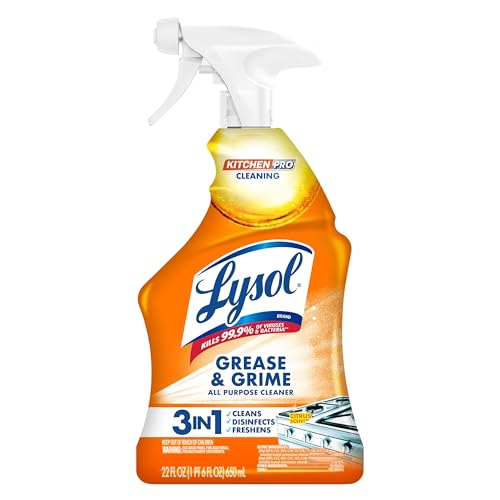
ELIMINATES 99.9% OF KITCHEN VIRUSES AND BACTERIA INCLUDNG SALMONELLA AND E.COLI: Lysol Pro Kitchen Cleaner is tested and proven to eliminate 99.9% of viruses and bacteria* (when used as directed). EPA Reg #777-91.
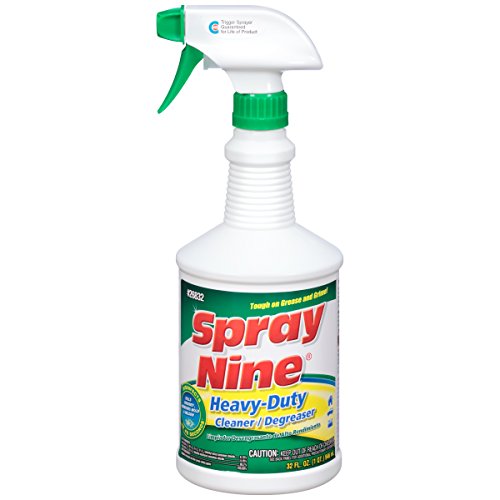
Triple Action Power: Professional-strength cleaner, degreaser, and disinfectant in one. Ideal for cleaning tools, tires, vinyl, stainless steel, engines, plastic, rubber, and more—this product powers through tough soils fast.
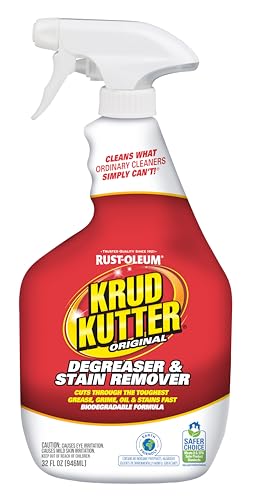
Heavy Duty Degreasing Performance: Helps break down grease, oil, grime, wax, and tough stains across a wide range of surfaces
DIY Cleaners
- Vinegar and Water: Mix equal parts of vinegar and water in a spray bottle. Spray the solution directly on the greasy tiles, allowing it to sit for five minutes. Wipe with a clean cloth or sponge for a streak-free finish.
- Baking Soda Paste: Combine baking soda with a small amount of water to form a paste. Apply this paste to the greasy areas, scrubbing gently with a soft brush or cloth. Rinse with warm water to remove any residue.
- Dish Soap Solution: Mix a few drops of dish soap with a bucket of warm water. Use a sponge or mop to apply the soapy water to the tiles. Rinse thoroughly with clean water to prevent sticky residue.
Commercial Products
- Tile-Specific Cleaners: Look for cleaners designed for specific tile types, such as ceramic or porcelain. These products often contain ingredients that effectively cut through grease without damaging the surface.
- Degreasing Sprays: Choose a degreasing spray made to tackle tough kitchen grease. Spray the product on the affected areas, let it sit for a few minutes, and wipe away with a damp cloth.
- Steam Cleaners: Use a steam cleaner to sanitize tiles and eliminate grease without chemicals. Follow the manufacturer’s instructions for optimal results while ensuring safety.
Utilizing these methods helps maintain clean and inviting kitchen tiles, enhancing your cooking space.
Step-by-Step Cleaning Process
Cleaning greasy tiles effectively requires a systematic approach. Follow these steps for the best results.
Recommended Products
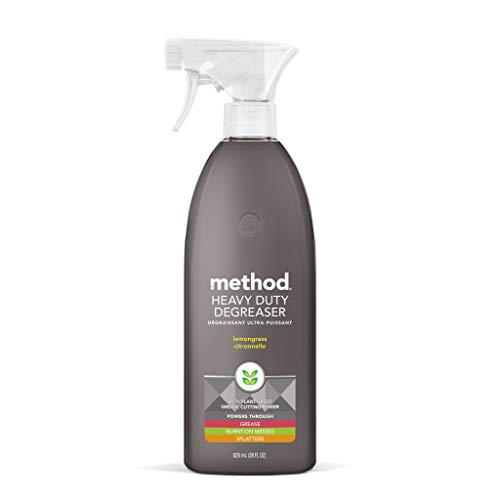
Contains (1) 28 ounce bottle of heavy duty degreaser.

Powerful Cleaning Action: The Pink Stuff Multi-Purpose Cleaner is formulated to tackle tough stains and grime, leaving surfaces sparkling clean with minimal effort.

#1 Most effective Heavy-Duty Degreaser – This Heavy Duty formula breaks down stubborn grease and grime for a deep clean in seconds!
Preparing the Area
- Clear the Space: Remove items from countertops and walls. Clearing these surfaces provides ample room for cleaning.
- Sweep the Floor: Sweep the floor to eliminate loose dirt and debris. Cleaning starts with a clean workspace.
- Protect Surroundings: Lay down old towels or a drop cloth to catch drips. Protecting surfaces prevents additional mess.
Cleaning Techniques
- Vinegar and Water Solution: Mix equal parts of vinegar and warm water in a spray bottle. Spray the solution on greasy tiles and let it sit for five to ten minutes. Wipe with a sponge or cloth.
- Baking Soda Paste: Combine baking soda with water to make a thick paste. Apply the paste to stubborn grease spots, let it sit for 10 minutes, then scrub gently with a soft brush.
- Dish Soap Solution: Add a few drops of dish soap to a bucket of warm water. Use a mop or cloth to clean the tiles. Rinse with clean water afterward.
- Commercial Cleaners: Consider using tile-specific cleaners available at stores. Follow the product instructions for safe and effective use.
- Steam Cleaning: Utilize a steam cleaner for tough grease. The high temperature helps break down grime without harsh chemicals.
- Rinse and Dry: After cleaning, rinse the tiles with clean water and dry with a microfiber cloth. This prevents water spots and keeps your tiles looking fresh.
With these methods, maintain your kitchen tiles and keep them looking their best.
Preventing Future Greasiness
Maintaining clean tiles in your kitchen requires proactive measures. Implementing simple habits can help keep grease buildup at bay.
Recommended Products

EWG VERIFIED: This kitchen cleaner spray is formulated with clean ingredients and certified by the Environmental Working Group to meet their strict health and safety standards. Free from concerning substances like ammonia, SLS, and SLES.

Simple & Easy to Use: wait 3-10 hours and rinse stains away without scrubbing required

WATCH GREASE DISSOLVE, NO HARD SCRUBBING: Stop wearing out your arms! Just spray our powerful foaming cleaner and watch it work. The thick foam clings to even vertical surfaces, breaking down tough, baked-on grease and sticky grime right before your eyes. Wiping your kitchen clean has never been this easy or satisfying
Regular Maintenance
Perform routine cleanings on your tiles to prevent grease accumulation. Wipe down surfaces weekly using a damp cloth or sponge with a mild detergent. Focus on areas where splatters commonly occur, like around the stove and countertops. Regular mopping with a pH-neutral cleaner also supports tile cleanliness. Set reminders every week to make this a consistent part of your cleaning schedule.
Best Practices
Adopt specific practices to minimize grease. Use ventilation fans during cooking to disperse steam and prevent grease from settling on your tiles. Consider placing a splatter guard over frying pans. This simple tool not only protects your tiles but also keeps your cooking space cleaner. Store cooking oils and sprays in a cabinet or drawer, reducing their chances of spilling on surfaces. Lastly, consider using absorbent mats or rugs in high-traffic kitchen areas to catch spills before they reach your tiles.
Conclusion
Keeping your kitchen tiles clean doesn’t have to be a daunting task. With the right techniques and a little effort you can easily tackle greasy stains and restore that inviting shine. Remember to choose the cleaning method that suits your tile type best and don’t forget to protect your surroundings during the process.
By making routine cleanings part of your kitchen maintenance you’ll not only save time in the long run but also create a more pleasant cooking environment. Incorporating simple habits like using ventilation while cooking and regularly wiping down surfaces can go a long way in preventing future grease buildup. Enjoy your clean kitchen and happy cooking!
Frequently Asked Questions
What causes greasy stains on kitchen tiles?
Greasy stains on kitchen tiles typically arise from cooking habits like frying foods, splattered sauces, and steam. Factors such as humidity and poor ventilation also contribute to the buildup of grease, making tiles appear dirty, especially in high-traffic areas.
How can I clean greasy kitchen tiles effectively?
To clean greasy kitchen tiles effectively, you can use DIY solutions like a vinegar and water mixture, a baking soda paste, or a dish soap solution. Commercial tile cleaners and steam cleaners are also effective. Follow the cleaning process by rinsing and drying your tiles to prevent water spots.
What cleaning methods are safe for different tile surfaces?
Ceramic and porcelain tiles can handle most cleaners, including vinegar solutions. For natural stone tiles, avoid acidic cleaners, using pH-neutral options instead. Always check the manufacturer’s recommendations for specific tile care to maintain their appearance and integrity.
How can I prevent grease buildup on kitchen tiles?
Prevent grease buildup by establishing a regular cleaning routine, using a damp cloth or sponge with mild detergent weekly. Install ventilation fans while cooking, utilize splatter guards, and store cooking oils properly to minimize grease accumulation in your kitchen.
What should I do before cleaning kitchen tiles?
Before cleaning your kitchen tiles, prepare the area by clearing the surfaces of items and sweeping the floor. Consider protecting adjacent surfaces with towels or plastic sheets to avoid accidental damage from cleaning solutions.
How often should I clean my kitchen tiles?
Ideally, you should clean your kitchen tiles at least once a week to prevent grease buildup and maintain their appearance. High-traffic areas may require more frequent cleanings, while lightly used areas can be done less often.
