
Key Takeaways
- Importance of Cleaning: Regularly cleaning kitchen brushes is crucial for maintaining food safety and hygiene, reducing the risk of bacteria transfer to food.
- Essential Cleaning Tools: Use mild dish soap, white vinegar, baking soda, and hot water as primary cleaning agents for effective brush hygiene.
- Step-by-Step Cleaning Process: Soak brushes, scrub bristles, apply additional cleaners for tough stains, rinse thoroughly, and air dry to ensure optimal cleanliness.
- Routine Maintenance: Clean kitchen brushes after each use or at least weekly, especially after handling raw meats to prevent cross-contamination.
- Proper Storage: Store brushes upright in a dry area with good ventilation to prevent mold growth and prolong their lifespan, while avoiding direct sunlight to protect bristles.
Ever looked at your kitchen brushes and wondered if they’re really clean? You’re not alone. Many people overlook these essential tools, but dirty brushes can spread germs and affect your cooking.
Importance Of Cleaning Kitchen Brushes
Cleaning kitchen brushes plays a vital role in food safety and hygiene. Brushes come into contact with various food particles, oils, and residues, harboring bacteria if not cleaned regularly. Unclean brushes can transfer harmful germs to your food, increasing the risk of foodborne illnesses.
Maintaining clean brushes extends their lifespan. Residues can lead to bristle deterioration, making brushes less effective over time. By keeping them clean, you enhance their performance and ensure they’re ready for use whenever you need them.
Regular cleaning also improves the overall cleanliness of your kitchen. A well-maintained environment reduces the likelihood of pests associated with food residues. Adopting a routine cleaning schedule eliminates the worry about hidden germs and food buildup.
Some brushes are used for specific tasks, such as basting or applying sauces. Cleaning them promptly after use preserves flavors and prevents cross-contamination. For example, using a brush after handling raw meat requires immediate cleaning to avoid contaminating other foods.
Incorporating regular cleaning into your kitchen routine promotes a healthier cooking environment. Prioritize this simple practice to enjoy safe and efficient cooking experiences.
Tools And Materials Needed
To clean kitchen brushes effectively, gather a few essential tools and materials. Having the right items makes the process easier and more efficient.
Recommended Products

Durable nylon bristles: Safely scrub away baked-on food, grease and tough messes while protecting non-stick cookware from scratches for long-lasting kitchen performance

ONE SCRUBBING DISHWAND: One package of Scotch-Brite Soap Control Dishwand; one pack contains one scrubbing wand.

PACK OF ONE: One Scotch-Brite Bottle Brush, a long, multipurpose dish scrub brush with 360-degree bristle coverage for effectively reaching into deep kitchenware
Essential Cleaning Products
- Dish Soap: A mild dish soap helps to break down grease and food particles.
- White Vinegar: This natural disinfectant removes odors and sanitizes brushes.
- Baking Soda: Baking soda acts as a gentle abrasive and deodorizer.
- Hot Water: Hot water aids in loosening stubborn residue and enhances cleaning.
Alternative Cleaning Solutions
- Lemon Juice: Lemon juice’s acidity helps cut through grime and adds a fresh scent.
- Bleach: A diluted bleach solution sanitizes thoroughly; however, ensure you rinse well after use.
- Hydrogen Peroxide: This solution acts as a disinfectant, perfect for sterilizing brushes.
- Essential Oils: Oils like tea tree or lavender add antibacterial properties and pleasant aromas.
Equipping yourself with these tools and materials streamlines the cleaning process, ensuring your kitchen brushes remain safe and hygienic for food preparation.
Step-By-Step Guide On How To Clean Kitchen Brushes
Cleaning kitchen brushes is essential for maintaining hygiene in your kitchen. Follow these steps to ensure your brushes remain in top shape and free from harmful bacteria.
Pre-Cleaning Preparation
- Gather Tools and Materials: Collect mild dish soap, white vinegar, baking soda, hot water, and a small container for soaking. These items effectively break down grease and eliminate bacteria.
- Inspect Brushes: Before cleaning, check your brushes for any visible food debris or damage. Remove any larger bits that could hinder the cleaning process.
Cleaning Process
- Soak Brushes: Fill your container with hot water. Add a few drops of dish soap. Submerge the brushes in the soapy water, letting them soak for about 10 minutes.
- Scrub Bristles: After soaking, take the brushes out. Use an old toothbrush or a sponge to scrub the bristles thoroughly. Focus on the base of the bristles where grime often accumulates.
- Use Additional Cleaners: For stubborn stains or odors, sprinkle some baking soda on the bristles before scrubbing. Baking soda acts as a gentle abrasive and deodorizer.
Rinsing And Drying
- Rinse Clean: Rinse the brushes under hot running water. Ensure all soap and residue are washed away. You can squeeze the bristles gently to help remove any trapped debris.
- Air Dry: Shake off excess water and place your brushes in a well-ventilated area to air dry completely. Avoid putting them in a drawer until they are thoroughly dry to prevent mold growth.
With these steps, your kitchen brushes will stay clean and help maintain a safe cooking environment.
Maintenance Tips For Kitchen Brushes
Keeping kitchen brushes clean and well-maintained enhances their functionality and lifespan. Adopting a routine for cleaning and storing brushes ensures a hygienic cooking environment.
Recommended Products

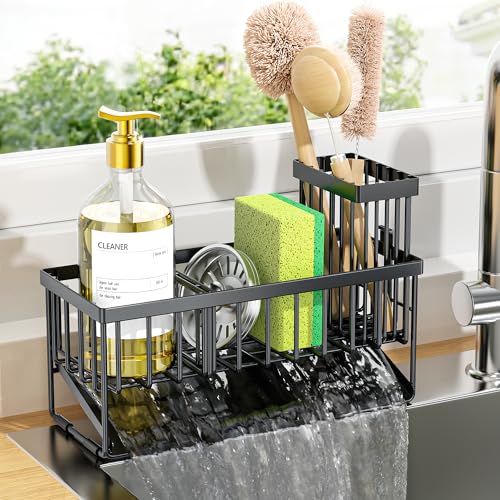
【ROTATABLE SPOUT】This kitchen sink caddy comes with a rotatable spout that swivels in three directions so that the water in the sponge can be directed to the sink. There won't be any water left on the countertop, you don't need to pull out the drip tray to clean it often, saving your cleaning time.

Smart Storage Solution - This set comes with a sponge caddy which can fit a soap dispenser (Included as our trial version) for hand soap, dish soap, or other cleaning agents. Use it to reduce clutter in the kitchen or bathroom.
Frequency Of Cleaning
Clean kitchen brushes after every use or at least once a week. Brushes that come into contact with raw meat or other high-risk foods should receive immediate washing. Assess your cooking habits; if you use specific brushes frequently, clean them more often to prevent the buildup of bacteria. For example, if you use a basting brush for marinades, don’t wait until it’s visibly dirty. Regular attention keeps your brushes in top condition, reducing the risk of foodborne illnesses.
Proper Storage
Store kitchen brushes in a dry area to prevent moisture accumulation, which can lead to mold growth. Place brushes upright in a holder to allow air circulation. Avoid storing brushes in closed drawers or containers without ventilation. If possible, keep them away from direct sunlight, as prolonged exposure can degrade bristles. Consider assigning a specific spot in your kitchen for each brush to promote organization and easy access during cooking.
Conclusion
Taking the time to clean your kitchen brushes can make a big difference in your cooking routine. By keeping them free from bacteria and grime you not only enhance food safety but also prolong the life of these essential tools.
Regular cleaning and proper storage can help you avoid cross-contamination and maintain a tidy kitchen. So make it a habit to give your brushes some love after each use. A little effort goes a long way in creating a healthier cooking environment for you and your loved ones. Happy cooking!
Frequently Asked Questions
Why is it important to clean kitchen brushes?
Keeping kitchen brushes clean is crucial to prevent the spread of germs and ensure food safety. Unclean brushes can harbor bacteria, increasing the risk of foodborne illnesses. Regular cleaning also prolongs the lifespan of the brushes and enhances overall kitchen hygiene.
How often should I clean my kitchen brushes?
Kitchen brushes should ideally be cleaned after every use, especially those that handle raw meats or high-risk foods. At a minimum, aim to clean them at least once a week to maintain hygiene and prevent contamination.
What materials do I need to clean kitchen brushes?
To effectively clean kitchen brushes, you’ll need mild dish soap, white vinegar, baking soda, and hot water. Optional cleaning solutions include lemon juice, diluted bleach, hydrogen peroxide, and essential oils for added disinfecting properties.
What is the best way to clean kitchen brushes?
Start by inspecting the brushes for debris. Soak them in soapy water, scrub the bristles, and use baking soda for tough stains. Rinse thoroughly to remove soap and moisture, then let the brushes air dry completely to prevent bacteria growth.
How should I store kitchen brushes after cleaning?
After cleaning, store kitchen brushes in a dry area. Keep them upright to allow for air circulation, and organize them for easy access. Proper storage helps maintain their functionality and reduces the risk of contamination.
