Key Takeaways
- Familiarize yourself with different types of kitchen chair upholstery (e.g., fabric, vinyl, leather, microfiber, and canvas) to choose the right cleaning method for each material.
- Regular cleaning enhances the longevity and appearance of upholstery, removing allergens and maintaining a fresh dining environment.
- Prepare for cleaning by organizing supplies like vacuum, mild detergent, upholstery cleaner, and microfiber cloths, and assess the condition of the upholstery beforehand.
- Follow a step-by-step cleaning guide: start with vacuuming, proceed to spot cleaning stains, and use deep cleaning techniques as needed to maintain the chairs.
- Establish a regular cleaning schedule (weekly or bi-weekly) and implement preventive measures (like using covers and avoiding direct sunlight) to protect and preserve your upholstered kitchen chairs.
Have you ever noticed how quickly kitchen chair upholstery can collect crumbs, spills, and stains? It’s a common issue that can make your dining area look less inviting. If you’ve been avoiding the task of cleaning those chairs, you’re not alone.
Understanding Kitchen Chair Upholstery
Kitchen chair upholstery adds style and comfort to your dining area. However, different materials require specific care to maintain their look and durability.
Types of Upholstery Fabrics
- Fabric: Common for its softness and variety, fabric upholstery may include cotton, linen, or polyester blends. It’s comfortable but prone to stains and must be cleaned regularly.
- Vinyl: This synthetic material mimics leather and is easy to clean. You can wipe spills quickly, making it a practical choice for busy kitchens.
- Leather: Durable and stylish, leather upholstery gives an elegant touch. Regular conditioning and gentle cleaning keep it looking its best.
- Microfiber: Known for its stain resistance and durability, microfiber is easy to maintain. It’s an excellent option for families with young children or pets.
- Canvas: Often used for casual dining settings, canvas fabric is sturdy and washable. You can easily remove dirt and stains, but it may fade over time.
Importance of Proper Cleaning
Proper cleaning of kitchen chair upholstery enhances longevity and appearance. Regular maintenance removes allergens and bacteria found in crumbs and spills. Use the right cleaning method based on the fabric type to avoid damage. For instance, fabric and microfiber may benefit from vacuuming and upholstery cleaner, while leather requires specialized solutions. Cleaning effectively prolongs the life of your chairs, ensuring they remain a beautiful part of your dining area.
Preparing for the Cleaning Process
Preparing for the cleaning process ensures efficiency and effectiveness. Take a moment to organize your supplies and assess the condition of your upholstery.
Recommended Products

Universal Fit Steam Shot Attachments Compatible with Bissell SteamShot,Wagner Spraytech, PurSteam, McCulloch, Dupray, and more. These universal steam cleaner attachments are designed as the perfect steam shot accessories for your handheld steam cleaner, ensuring a secure fit for effective steam cleaning
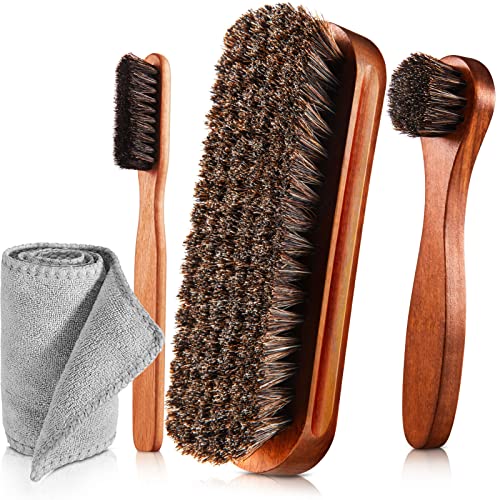
Shoes Shine Brush Set - There are 1 x large size shine brush, 1 x long handle horsehair brush, 1 x detailing shoe brush and 1 x microfiber buffing cloth

✔【Cotton-Like Microfiber for Gentle Steam Cleaning】: Designed with a cotton-like microfiber texture that feels soft and flexible under steam. Ideal as everyday accessories for Bissell Steam Shot, it helps lift dirt and residue without scratching sealed surfaces, making steam cleaning more comfortable and controlled
Gathering Cleaning Supplies
Collect the necessary cleaning supplies before starting. Here’s a list of items you’ll need:
- Soft brush or vacuum: Removes loose debris and crumbs.
- Mild detergent: A gentle soap solution tackles stains without harming fabrics.
- Upholstery cleaner: Specific cleaners for various materials (check the label).
- Microfiber cloths: Soft and non-abrasive, these cloths won’t damage upholstery.
- Bowl of water: Rinse out detergents or cleaners as you go.
- Spray bottle: Mix and apply solutions efficiently.
Assessing the Level of Stains
Evaluate the extent of stains on your chairs. Follow these steps:
- Inspect the upholstery: Look for visible stains, discoloration, or areas of wear.
- Test fabric durability: Check if the fabric maintains its color and texture after applying a small amount of water.
- Identify stain types: Determine if stains are water-based (food spills, drinks) or oil-based (grease, lipstick).
Understanding the severity and type of stains helps choose the right cleaning method for your kitchen chairs.
Step-by-Step Cleaning Guide
Cleaning kitchen chair upholstery can enhance appearance and ensure longevity. Follow these steps for effective results.
Recommended Products

CHEMICAL GUYS LIGHTNING FAST STAIN EXTRACTOR (SPI_191_16) – Professional-strength stain remover formula penetrates deep into carpet, upholstery, and fabric to quickly break down and lift stains, dirt, and odors for a restored, like-new look

Removes Both Oil & Water-Based Stains

Powerful Cleaning (CWS21916SW) - Ready-to-use Chemical Guys fabric cleaner spray breaks down dirt, grime, and stains from carpets, seats, and floor mats while leaving behind a fresh citrus scent for a clean and revitalized interior
Vacuuming the Upholstery
- Start by using a soft brush attachment on your vacuum cleaner. This will help remove loose dirt, crumbs, and hair without damaging the fabric.
- Move the vacuum slowly over the upholstery. Pay attention to seams, crevices, and areas where debris tends to accumulate.
- Repeat this process weekly or bi-weekly to maintain cleanliness.
Spot Cleaning Stains
- Identify the type of stain. Different stains, like food, drink, or grease, require specific approaches.
- Spray an appropriate upholstery cleaner on a clean microfiber cloth. Avoid applying the cleaner directly to the fabric to prevent oversaturation.
- Gently blot the stain starting from the outer edges, working your way in. This prevents the stain from spreading.
- Rinse the cloth periodically in clean water to remove any residue. Continue blotting until the stain lifts.
- Allow the area to air dry completely before using the chair again.
Deep Cleaning Techniques
- Mix mild detergent with warm water in a bowl. Use a ratio of one tablespoon of detergent to two cups of water.
- Dampen a clean microfiber cloth in the soapy solution. Avoid soaking it; excess water can damage upholstery.
- Wipe down the entire chair, including the back and sides. Use circular motions to lift embedded dirt.
- After cleaning, rinse the cloth with plain water and wipe again to remove soap residue.
- For fabric chair upholstery, allow it to dry naturally. For leather, apply a leather conditioner to restore shine and prevent cracking.
These steps ensure your kitchen chair upholstery looks fresh and lasts longer. Regular cleaning maintains a comfortable dining experience free of allergens and stains.
Maintenance Tips for Upholstered Chairs
Maintaining your upholstered kitchen chairs ensures they remain looking fresh and inviting. Regular care prevents the buildup of dirt and stains, extending the life of your furniture.
Recommended Products

【Adjustable Height & 360˚Swivel】Elevate your space with our adjustable and rotating bar stools. Whether it's a casual dinner or a social gathering, these bar stools offer a seat height range of 24.8" to 33.46" and a 360° swivel, ensuring everyone is comfortable. With the ability to adjust to counter heights of 36 to 45 inches, these stools are versatile for any setting. Plus, their smooth and quiet swivel motion adds to the seamless experience

【Modern Style】The dining chairs boast a modern aesthetic with their elegant design and beautiful colors. They strike the perfect balance between aesthetics and functionality, making them ideal for any dining room setting. Please be noted that the table pictured is not included in the dining chair set

【Adjustable Height & 360˚Swivel】Elevate your space with our adjustable and rotating bar stools. Whether it's a casual dinner or a social gathering, these bar stools offer a seat height range of 24.8" to 33.46" and a 360° swivel, ensuring everyone is comfortable. With the ability to adjust to counter heights of 36 to 45 inches, these stools are versatile for any setting. Plus, their smooth and quiet swivel motion adds to the seamless experience
Regular Cleaning Schedule
Establish a regular cleaning schedule to keep your chairs in top shape. Aim to perform light cleaning weekly. This might include:
- Vacuuming: Use a soft brush attachment to gently remove crumbs and dust.
- Spot Checking: Inspect for stains and treat them immediately.
- Wiping Down: A quick wipe with a damp microfiber cloth helps maintain cleanliness.
Consider deep cleaning every three to six months. Adjust the frequency based on usage and the presence of pets or kids.
Preventive Measures
Implement preventive measures to reduce wear and tear. Consider these strategies:
- Use Covers: Protect chairs with removable covers or throws that are washable.
- Encourage Careful Eating: Set ground rules for food consumption on the chairs to minimize spills.
- Keep Chairs Out of Direct Sunlight: Excessive sunlight can fade fabrics, making them lose their luster.
Implementing these tips maintains the appearance of your upholstered chairs, making your dining area more enjoyable and extending the lifespan of your furniture.
Conclusion
Keeping your kitchen chair upholstery clean and well-maintained not only enhances your dining area but also contributes to a healthier environment. By following the right cleaning methods for your specific fabric type and establishing a regular maintenance routine, you can ensure your chairs stay inviting and comfortable.
Don’t forget the importance of preventive measures to minimize stains and wear. With just a little effort, you can enjoy a fresh and beautiful dining space that reflects your style. So grab your cleaning supplies and give those chairs the care they deserve. Your dining experience will thank you!
Frequently Asked Questions
How often should I clean my kitchen chair upholstery?
To keep your kitchen chair upholstery looking fresh, establish a regular cleaning schedule. Light cleaning should be done weekly, including vacuuming and checking for stains. Deep cleaning should occur every three to six months, depending on usage and factors like pets or children.
What materials are commonly used for kitchen chair upholstery?
Common materials for kitchen chair upholstery include fabric, vinyl, leather, microfiber, and canvas. Each material requires different cleaning methods, so it’s important to know what type you have to avoid damage.
How can I remove stains from my kitchen chairs?
Start by identifying the type of stain and select the appropriate cleaning solution. Use a microfiber cloth with a gentle upholstery cleaner to spot clean the area. For tough stains, consider a mild detergent solution to wipe down the entire chair after vacuuming.
What supplies do I need for cleaning kitchen chair upholstery?
Gather these supplies: a soft brush or vacuum, mild detergent, upholstery cleaner, microfiber cloths, a bowl of water, and a spray bottle. Organizing your cleaning supplies before starting makes the process easier and more efficient.
How can I prevent future stains on my kitchen chairs?
To minimize stains, consider using removable covers and encouraging careful eating habits at the dining table. Additionally, keeping chairs out of direct sunlight helps reduce wear and tear, preserving their appearance over time.