
Key Takeaways
- Importance of Regular Cleaning: Maintaining a clean kitchen disposal prevents unpleasant odors, clogs, and extends the appliance’s lifespan.
- Effective Cleaning Methods: Utilize ice and salt, baking soda and vinegar, and citrus peels to keep your disposal odor-free and functioning efficiently.
- Cleaning Frequency: Clean your disposal at least once a month or weekly if frequently used to ensure optimal performance.
- Signs of Build-Up: Look for lingering smells, slow grinding, and unusual noises as indicators that your disposal needs cleaning.
- Maintenance Tips: Use cold water, monitor food disposal habits, and promptly address clogs to enhance the performance of your kitchen disposal.
Ever wondered why your kitchen disposal smells funky? You’re not alone. Many people face this common issue, and it can be frustrating. A clean disposal not only helps eliminate odors but also keeps your kitchen running smoothly.
Importance Of Cleaning Kitchen Disposal
Cleaning your kitchen disposal prevents unpleasant odors and potential clogs. Regular maintenance keeps your disposal working efficiently.
Benefits of a Clean Disposal
- Odor Reduction: Food particles trapped in the disposal rot over time. Cleaning eliminates these particles, reducing foul smells.
- Improved Performance: A clean disposal operates at optimal efficiency. It grinds food waste more effectively, preventing jams.
- Extended Lifespan: Regular cleaning extends the life of your disposal. Less wear and tear occurs when it’s free of debris.
- Health Benefits: Bacteria thrive in dirty disposals. Cleaning minimizes bacterial growth, making your kitchen safer.
Best Cleaning Practices
- Use Ice and Salt: Throw a handful of ice cubes and a cup of rock salt into the disposal. Run cold water and turn on the disposal. This removes buildup and sharpens blades.
- Citrus Peels: Feed citrus peels into the disposal for a fresh scent. The natural oils help eliminate odors and clean the grinding mechanisms.
- Vinegar and Baking Soda: Sprinkle baking soda into the disposal, followed by vinegar. Let it sit for 15 minutes, then flush with hot water. This mixture breaks down grime.
Frequency of Cleaning
Clean your disposal at least once a month. If you use it frequently or grind fibrous foods, clean it weekly. This ensures a consistently odor-free and efficient disposal.
Signs You Need to Clean
- Lingering Smells: Noticeable odors indicate food buildup.
- Slower Grinding: A sluggish disposal suggests clogs forming.
- Unusual Noises: Grinding that sounds different might signal debris accumulation.
Adopting a regular cleaning schedule can significantly enhance your kitchen experience. Keeping your disposal clean not only improves functionality but also promotes a healthier kitchen environment.
Step-By-Step Cleaning Process
Cleaning your kitchen disposal keeps odors at bay and ensures smooth operation. Follow these steps for effective cleaning.
Recommended Products

Designed For Garbage Disposals : Compatible with All Kitchen Waste Dispoal Models Including Insinkerator, Moen, Ge, Frigidaire, Kohler, Kitchenaid, Waste Maid, Waste King, Farberware and more

Deep Clean Like Never Before - Say goodbye to stubborn grime and residues! Our 2.0 upgraded garbage disposal cleaner tablets bring a new level of deep cleaning, restoring your disposal to like-new condition.

Powerful Cleaning: This cleaner helps eliminate build-up and smells in kitchen sinks and drains.
Preparing The Area
Clear the area around the disposal. Remove any items stored under the sink. Place a towel or basin beneath the disposal to catch water and debris during cleaning. This step protects your floor and limits mess.
Gathering Necessary Supplies
Collect the following supplies for effective cleaning:
- Ice cubes: Help grind food particles and clean the blades.
- Salt: Acts as an abrasive cleaner when combined with ice.
- Baking soda: Breaks down grime and eliminates odors.
- Vinegar: A natural disinfectant that helps remove buildup.
- Citrus peels: Provide a fresh scent while cleaning.
Keep everything within reach to streamline the process.
Cleaning The Disposal
- Start with ice and salt: Pour a cup of ice cubes and a half cup of salt into the disposal. Run cold water and turn on the disposal. The ice and salt scrub the blades, removing debris.
- Add baking soda and vinegar: Pour half a cup of baking soda into the disposal, followed by half a cup of vinegar. Let it fizz for a few minutes. This reaction helps break down stubborn grime.
- Rinse thoroughly: After the fizzing subsides, run cold water through the disposal for at least 30 seconds. This flushes away loosened particles.
- Feed citrus peels: Drop in lemon or orange peels and run the disposal with cold water again. This gives a pleasant scent and further cleans the disposal components.
- Check for any lingering odors: If any odor persists, repeat the baking soda and vinegar step or sprinkle more salt with ice.
Completing these steps regularly enhances your disposal’s performance and keeps your kitchen smelling fresh.
Effective Cleaning Methods
Keeping your kitchen disposal clean ensures it functions well and smells fresh. Here are effective methods for maintaining your disposal.
Recommended Products

Powerful XL Foaming Action - Activates with warm water to create thick, expanding foam that reaches deep into blades, splash guards, and drain walls to help break down grease, grime, and food residue.

NO. 1 RECOMMENDED DISPOSAL CLEANER brand by Whirlpool and KitchenAid.* *affresh products and the recommending brands' products are all owned and distributed by Whirlpool Corporation.
![Bastion Garbage Disposal Cleaner and Deodorizer Drops- [[50-Count]] Lemon Zest Scented Kitchen Sink Freshener Pods & Drain Odor Eliminator Disposer Care Balls](https://m.media-amazon.com/images/I/41LDQnbcmqL._SL500_.jpg)
Using Baking Soda And Vinegar
Using baking soda and vinegar creates a powerful cleaning reaction. Start by pouring 1 cup of baking soda down the disposal. Follow this with 1 cup of vinegar. You’ll see fizzing as they combine, which helps break down grime and food particles. Allow this mixture to sit for 10-15 minutes to work effectively. Afterward, rinse with hot water to flush away debris. This method not only cleans but also eliminates odors, leaving your disposal fresh.
Using Ice And Salt
Using ice and salt is another excellent method for cleaning your disposal. Fill the disposal with a tray of ice cubes and add about 1 cup of rock salt, or regular salt, to it. Run the disposal for a few minutes while the ice and salt scrub the blades. This action effectively removes buildup and sharpens the blades. Finally, run cold water for a minute to rinse away any remaining debris. This method works wonders for maintaining both performance and hygiene.
Using these methods regularly keeps your kitchen disposal in top shape, reducing odors and preventing clogs. Remember to clean at least once a month or more often if you use it frequently.
Maintenance Tips For Kitchen Disposal
Recommended Products
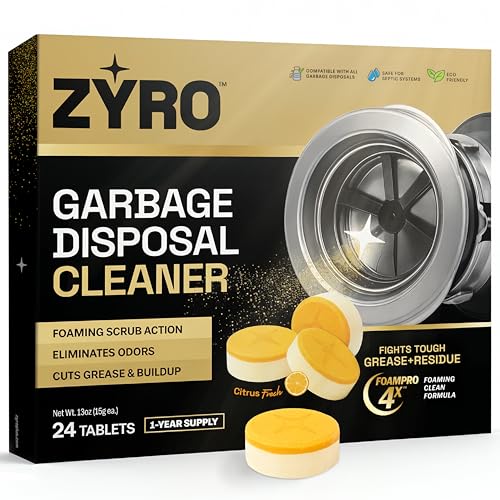
Deep Foaming Clean: These bright citrus foaming tablets for garbage disposal activate on contact with water to create a rich, expanding foam. The foaming scrub reaches deep into hidden areas to lift residue and leave a clean, fresh scent behind.

NO. 1 RECOMMENDED DISPOSAL CLEANER brand by Whirlpool and KitchenAid.* *affresh products and the recommending brands' products are all owned and distributed by Whirlpool Corporation.

Everyday Freshness: Clean, freshen, and help maintain sink garbage disposals with the drop of a deodorizing capsule. The quick, easy-to-use disposer freshener helps break up food particles and removes tough odors for a fresh kitchen every day.
Regular Cleaning Schedule
Maintain a clean kitchen disposal by establishing a regular cleaning schedule. Clean it at least once a month. If you use it frequently, consider cleaning it weekly. This routine prevents bacteria buildup and reduces unpleasant odors.
Use Ice and Salt
To clean the blades effectively, use a combination of ice cubes and salt. Pour a tray of ice cubes into the disposal, followed by a cup of coarse kosher salt. Run cold water and turn on the disposal. The ice sharpens the blades while the salt scrubs away residue.
Citrus Peels for Freshness
Enhance the disposal’s scent by feeding it citrus peels. Cut up lemon, lime, or orange peels into small pieces. Run them through the disposal with cold water. The natural oils in the peels freshen the disposal, leaving a pleasant aroma.
Baking Soda and Vinegar Treatment
For a deeper clean, use a baking soda and vinegar solution. Start by pouring half a cup of baking soda down the disposal. Follow this with half a cup of vinegar. Allow it to sit for 10-15 minutes before flushing with hot water. This combination helps dissolve grime and neutralize odors.
Cold Water Use
Always use cold water when running the disposal. Cold water solidifies any fats or oils, making them easier to grind and flush out. Avoid running hot water, as it can cause grease to liquefy and build up inside the disposal.
Monitor Usage
Be mindful of what you dispose of. Avoid putting fibrous vegetables, coffee grounds, or large food chunks down the disposal. These can cause clogs or damage. Stick to small, soft food scraps to keep the disposal functioning properly.
Dispose of Odorous Foods Separately
Odorous foods, such as garlic or onion skins, should be disposed of in the trash instead of the disposal. These can lead to lingering smells, which cleaning won’t eliminate.
Check for Clogs
Periodically check for clogs or slow drainage. If you notice slow grinding or standing water, it may signal a clog. You can try running ice and salt to help dislodge anything stuck. If the problem persists, contact a professional for assistance.
Conclusion
Keeping your kitchen disposal clean is a simple yet essential task that pays off in many ways. By following the cleaning methods and tips outlined, you can enjoy a fresher kitchen and a disposal that works like new.
Make it a habit to clean your disposal regularly and be mindful of what you put down it. With just a little effort, you can prevent odors and clogs while extending the life of your appliance.
So grab those ice cubes and citrus peels and give your disposal the care it deserves. You’ll notice the difference in no time!
Frequently Asked Questions
How often should I clean my kitchen disposal?
Cleaning your kitchen disposal at least once a month is recommended. If you use it frequently, consider cleaning it weekly to prevent odors and clogs.
What are the signs that my disposal needs cleaning?
Signs that your disposal needs cleaning include lingering odors, slower grinding, unusual noises, or visible debris buildup.
What are some effective methods for cleaning my disposal?
Effective cleaning methods include using ice and salt to scrub the blades, feeding citrus peels for freshness, and employing a baking soda and vinegar mixture to break down grime.
Can cleaning my disposal improve its lifespan?
Yes, regular cleaning can extend the lifespan of your disposal by reducing wear and tear, preventing clogs, and minimizing bacterial growth.
What should I avoid putting down the disposal?
Avoid putting fibrous vegetables, large amounts of food, and odorous items like garlic or onion skins down the disposal to prevent clogs and unpleasant smells.

