
Key Takeaways
- Understanding Filters: Kitchen faucet filters are essential for maintaining water quality, flow rate, and longevity; regular cleaning is crucial for optimal performance.
- Preparation is Key: Gather necessary supplies like soft cloths, dish soap, vinegar, and a brush, and take safety precautions to ensure an efficient cleaning process.
- Step-by-Step Cleaning: Remove the filter, rinse under running water, soak in vinegar for mineral deposits, scrub gently, and reassemble to restore water flow and quality.
- Regular Maintenance Schedule: Clean your faucet filter every three to six months, and inspect for debris regularly to prevent clogs and ensure effective operation.
- Use Gentle Methods: Opt for mild cleaning agents and avoid high-pressure rinsing to preserve the filter’s integrity and effectiveness.
- Replace Filters When Needed: Follow the manufacturer’s guidelines for replacing filters, as some may require annual or biennial replacements for optimal performance.
Is your kitchen faucet running slow or producing strange water flow? You’re not alone. Many people overlook the importance of cleaning their faucet filter, leading to clogs and reduced water pressure.
Understanding Kitchen Faucet Filters
Kitchen faucet filters play a crucial role in maintaining water quality and flow. Regular cleaning prevents clogs, ensuring optimal performance and extending the life of your faucet.
Importance of Maintaining Clean Filters
Maintaining clean filters is essential for various reasons.
- Water Quality: A clean filter reduces contaminants, improving the taste and safety of your drinking water.
- Flow Rate: Clogged filters limit water flow, leading to frustration during daily tasks like cooking and cleaning.
- Longevity: Regular maintenance prevents wear and tear, helping your faucet operate efficiently over time.
Common Types of Kitchen Faucet Filters
Familiarizing yourself with the different types of kitchen faucet filters helps you understand their maintenance needs.
- Aerator Filters: These provide a smooth flow while conserving water. They often get clogged with mineral deposits.
- Cartridge Filters: Found in some models, these filters use a removable cartridge that captures sediments and contaminants.
- Inline Filters: These connect directly to your plumbing, filtering water before it reaches your faucet.
Knowing the type of filter you have allows you to choose the right cleaning method.
Preparing for the Cleaning Process
Before you start cleaning your kitchen faucet filter, preparation can make the task easier and more efficient. Gather your supplies and consider a few safety precautions to ensure a smooth process.
Gathering Necessary Supplies
You’ll need specific items to clean the faucet filter effectively:
- Soft cloths: Use these to wipe down the faucet and surroundings.
- Dish soap: Mild soap helps remove buildup without damaging the filter.
- White vinegar: This acts as a natural cleaner and helps remove mineral deposits.
- Bucket or bowl: Catch any water or debris while you work.
- Brush: A soft-bristled brush or an old toothbrush effectively scrubs hard-to-reach areas.
- Protective gloves: Wearing gloves protects your hands from cleaners and dirt.
Safety Precautions to Consider
Taking safety precautions ensures a hassle-free cleaning session:
- Turn off water supplies: Shut off the faucet’s water supply to avoid spills.
- Clear the area: Remove items under the sink and around the faucet to create space.
- Wear gloves: Protect your hands from grime and liquids.
- Use non-toxic cleaners: Opt for safe cleaning products to minimize chemical exposure.
By preparing adequately, you set the stage for a successful cleaning experience that restores your faucet’s performance and prolongs its lifespan.
Step-by-Step Guide on How to Clean Kitchen Faucet Filter
Cleaning your kitchen faucet filter improves water flow and ensures better quality. Follow these steps to effectively clean your faucet filter.
Recommended Products
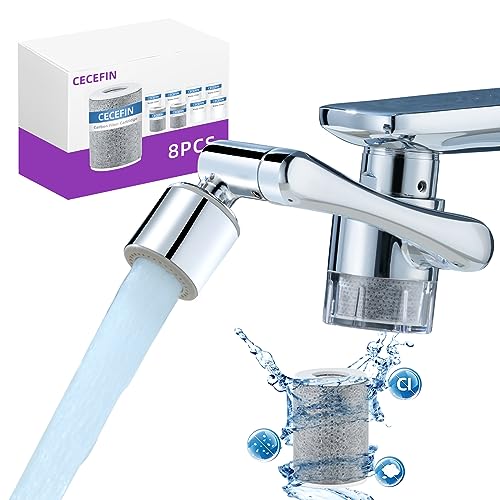
【Notice: CHECK COMPATIBILITY FIRST】WILL NOT fit faucets with non-removable aerators.Please confirm your faucet's and original aerator thread before purchasing. CECEFIN sink water filter extender provides 2 sizes for connection: female 55/64" -27T(22mm), male 15/16" (24mm). Other faucet threads require an adapter to connect to your bathroom/ kitchen/ laundry sink faucets. We have been specializing in faucet products for more than 10 years, and solved countless cases in installation and use of related products. If you have any concern about the size, feel free to contact us.

✔ HIGH-QUALITY MATERIALS: Bathroom faucet aerator parts made of chrome-plated brass, ABS and 304 stainless steel can be used for a long time and are corrosion-resistant.
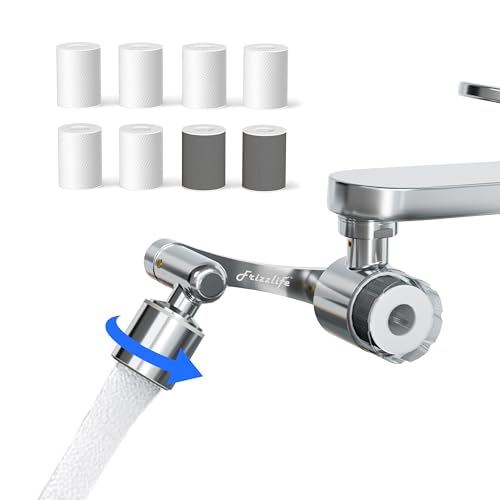
💧7 thread sizes fit 99% faucets, full tools for 3-second installation; please contact us if connectors don’t fit; 💧Micron filtration removes 99% chlorine, Rust etc. 💧1080°rotating+2 spray modes, ideal for kitchens and bathrooms, elders, kids;💧Lead-free brass + BPA-Free material for greater peace of mind, Certified by both the DOE and the CEC. ⭐Do not reduce the TDS value because FF1080 retains beneficial minerals in water during filtration.
Removing the Faucet Filter
- Gather the necessary tools: You’ll need an adjustable wrench and a soft cloth.
- Turn off the water supply: Locate the valves under the sink and turn them clockwise to shut off the water.
- Remove the aerator or filter: If your faucet has a removable aerator, you can unscrew it by hand or with the wrench. Wrap the cloth around the base to protect the finish and turn counterclockwise.
Cleaning the Filter
- Inspect the filter: Check for visible debris or mineral buildup.
- Rinse under running water: Place the filter under warm running water to remove loose particles.
- Soak in vinegar: For stubborn deposits, soak the filter in a mixture of equal parts water and white vinegar for 30 minutes. This helps dissolve mineral buildup.
- Scrub the filter: Use a soft brush or cloth to scrub the filter gently. Make sure to clean all crevices.
Reassembling the Faucet Filter
- Rinse thoroughly: After cleaning, rinse the filter with fresh water to remove any vinegar.
- Reattach the filter: Screw the filter or aerator back onto the faucet by hand or with the wrench. Turn it clockwise until secure.
- Turn on the water supply: Open the valves under the sink, turning them counterclockwise to restore water flow.
- Test the faucet: Turn on your faucet to check for any leaks and ensure improved water flow.
By following these steps, your kitchen faucet filter gets clean, enhancing both performance and water quality.
Tips for Regular Maintenance
Regular maintenance keeps your kitchen faucet filter functioning optimally. Follow these tips to extend the lifespan of your faucet and ensure clean water flow.
Recommended Products

Spend less, waste less: Switch from bottled water to a PUR system sink water filter and get up to $30 back in your wallet every week, based on comparing a year’s bottled water (16.9 oz) to a PUR water purifier for sink and 3 filters

Elite Advanced Brita faucet water filter attaches to your standard faucet making tap water healthier and great-tasting; filtration system is easy to install, no tools required

【Save Time And Effort】 Upgraded Electric Spin Scrubber Cordless gets rid of the troubles caused by traditional cleaning tools. it can be used anywhere you want. This spin scrubber is super lightweight and very easy to pick up and use to clean surfaces without getting tired and drastically reduce your work time from 1 hour to 30 minutes.
Frequency of Cleaning
Clean the faucet filter every three to six months for optimum performance. A consistent schedule helps prevent sediment buildup and clogs. If you notice decreased water flow or unusual sounds, check and clean the filter immediately, regardless of the schedule.
Additional Tips for Longevity
- Inspect Regularly: Check the filter for any visible debris or buildup. Regular inspection catches issues before they escalate.
- Use Gentle Cleaners: Opt for mild soaps or vinegar for cleaning the filter. Harsh chemicals can damage the filter material.
- Avoid High Pressure: When rinsing the filter, use moderate water pressure. Excess pressure can deform the filter and compromise its effectiveness.
- Store Properly: If you need to remove the filter for an extended period, store it in a clean, dry location. This keeps contaminants at bay.
- Replace as Needed: Some filters need replacement every year or two. Refer to the manufacturer’s guidelines for specific recommendations.
Conclusion
Taking the time to clean your kitchen faucet filter can make a world of difference. You’ll notice improved water flow and better quality. Plus it’s a simple task that can save you from future headaches.
Regular maintenance is key. By checking your filter every few months and following the cleaning steps, you can keep your faucet in top shape. Remember to gather your supplies and take safety precautions to make the process smooth.
With just a little effort you can enjoy cleaner water and a longer-lasting faucet. So go ahead and give your faucet filter the attention it deserves. Your kitchen will thank you!
Frequently Asked Questions
What are common issues with kitchen faucets?
Kitchen faucets commonly experience slow water flow and unusual water pressure. These issues often stem from clogged faucet filters, which many people neglect to clean regularly.
Why is it important to clean kitchen faucet filters?
Cleaning kitchen faucet filters is crucial for maintaining water quality and optimal flow. Regular cleaning prevents clogs, enhances performance, and prolongs the lifespan of the faucet.
What types of kitchen faucet filters exist?
Common types of kitchen faucet filters include aerator filters, cartridge filters, and inline filters. Each type has specific maintenance needs, so it’s important to know your filter for effective cleaning.
How can I prepare to clean my kitchen faucet filter?
Gather supplies like soft cloths, dish soap, white vinegar, a bucket, a brush, and gloves. Ensure safety by turning off water supplies and clearing the area around your faucet.
What is the process for cleaning a kitchen faucet filter?
To clean a kitchen faucet filter, turn off the water supply, remove the filter, rinse it under running water, soak it in vinegar for stubborn deposits, scrub gently, and reassemble the filter.
How often should I clean my kitchen faucet filter?
It’s recommended to clean your kitchen faucet filter every three to six months. Regular checks for debris or buildup can help maintain optimal performance.
When should I replace my kitchen faucet filter?
Some kitchen faucet filters may need replacement every year or two, depending on usage. Always refer to the manufacturer’s guidelines for specific recommendations regarding replacement.
