
Key Takeaways
- Understand Burner Types: Familiarize yourself with different kitchen gas burner types, including open, sealed, dual-fuel, and infrared, to enhance maintenance techniques.
- Safety First: Always turn off the gas supply, allow the burner to cool down, wear gloves, and ventilate the area before cleaning to ensure safety.
- Gather Effective Supplies: Use common cleaning items like baking soda, vinegar, dish soap, scrub brushes, microfiber cloths, and an old toothbrush for efficient cleaning.
- Step-by-Step Cleaning Process: Follow a structured approach—remove components, soak and scrub, rinse thoroughly, and dry completely to maintain optimal burner performance.
- Establish a Cleaning Routine: Schedule regular cleanings (weekly and monthly) to prevent grease buildup and maintain an efficient cooking environment.
- Quick Cleaning Hacks: Utilize simple methods like baking soda paste and vinegar spray for fast and effective cleaning to keep your burner in top shape.
Ever looked at your kitchen gas burner and thought it could use a good scrub? You’re not alone. Grease buildup and food splatters can make even the best cook cringe. A clean burner not only looks better but also helps your stove work more efficiently.
Understanding Kitchen Gas Burners
Kitchen gas burners come in various types and designs. Understanding their features helps in maintaining them effectively.
Types of Kitchen Gas Burners
- Open Burners: Open burners have burners that are exposed, allowing for even heat distribution. They commonly feature in professional kitchens.
- Sealed Burners: Sealed burners have a protective cover over the flame. This design minimizes spills, making cleanup easier.
- Dual-Fuel Burners: Dual-fuel burners combine gas burners with electric ovens. They offer versatility for different cooking methods.
- Infrared Burners: Infrared burners utilize infrared technology for fast heating. This type is often favored for its energy efficiency.
Common Issues with Gas Burners
- Clogged Flames: Food particles, grease, and debris can obstruct the burner ports. This blockage leads to uneven heating, which affects cooking.
- Rust and Corrosion: Moisture can cause rust on burners. Rust not only looks unattractive but can also damage the burner over time.
- Burner Ignition Problems: Ignition issues arise when the igniter is dirty or damaged. This can prevent burners from lighting properly.
- Incomplete Combustion: A burner that doesn’t receive enough air can cause incomplete combustion. This results in yellow flames, indicating inefficiency and potential hazards.
- Burner Residue: Residue from burnt food can accumulate on burners. This residue can cause foul odors and impact your cooking performance.
Preparing to Clean Your Gas Burner
Cleaning your gas burner requires careful preparation to ensure a safe and effective process. Follow these steps to get ready.
Recommended Products

SAVE YOUR TIME AND HANDY - Did you ever spend a lot of time on cleaning the ports? And the dock didn’t leave at all. These make cleaning a ethanol damaged or dirty carburetor a lot easier, working great and handy, never have a hard time cleaning the ports from now on.

Powerful Gas Range Cleaner & Degreaser: Dissolves cooked-on, stubborn splatter, grease and food messes and gives your gas range a sleek shine
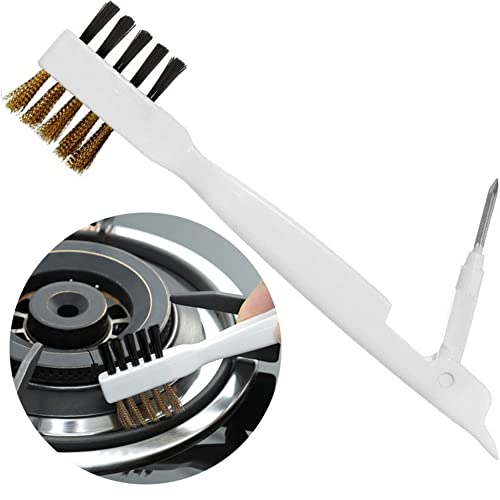
Versatile kitchen tool: Brass wire brush +nylon brush on one side and stainless steel nail + spatula on another side. This brush size is made for small jobs and tight spaces. Durable and strong. Combine brush, sparse, stainless steel needle pick and shovel into one, 4-in-1 function, easy to clean the counters,gas stoves, etc .
Safety Precautions
- Turn Off the Gas: Ensure that the gas supply is completely turned off before starting any cleaning. This prevents any accidental ignitions.
- Wait for Cool Down: Allow the burner to cool down completely after cooking. Hot surfaces can cause burns.
- Use Gloves: Wear rubber or latex gloves to protect your hands from grease and cleaning chemicals.
- Ventilate the Area: Open windows or turn on a fan to improve air circulation. This helps dissipate any fumes from cleaning products.
- Keep a Fire Extinguisher Handy: Always have a fire extinguisher nearby in case of emergencies.
Gathering Cleaning Supplies
- Baking Soda: A natural abrasive that removes grease and stains.
- Vinegar: Effective at breaking down tough grime; combine it with baking soda for enhanced cleaning power.
- Dish Soap: Regular dish soap helps cut through grease.
- Scrub Brush: A non-abrasive scrub brush helps lift dirt without scratching surfaces.
- Microfiber Cloths: Use these for drying and polishing after cleaning.
- Old Toothbrush: An old toothbrush effectively reaches tight spaces and crevices.
- Spray Bottle: Fill this with your vinegar and water solution for easy application.
With these preparations in place, you’re set to clean your gas burner efficiently and safely.
Step-by-Step Guide on How to Clean Kitchen Gas Burner
Cleaning your kitchen gas burner regularly maintains its efficiency and prevents food-related issues. Follow these steps for a thorough cleaning.
Removing the Burner Components
- Turn off the gas supply. Locate the gas valve and ensure it’s fully closed.
- Allow the burner to cool down. Wait until it’s cool to the touch to avoid burns.
- Lift off the grill and burner cap. Carefully remove these parts from the burner base.
- Take out the burner base if applicable. Some burners allow for base removal, which simplifies cleaning.
Soaking and Scrubbing
- Prepare a cleaning solution. Mix equal parts of vinegar and water in a bowl or spray bottle.
- Soak the components. Immerse the burner cap, grill, and any removable parts in the solution for about 15–30 minutes.
- Scrub with a brush. Use a scrub brush or old toothbrush to address stubborn grime. Focus on small crevices.
- Rinse thoroughly. Use warm water to rinse off the solution and debris.
- Dry completely. Air dry or pat dry with a microfiber cloth to avoid any residual moisture.
Reassembling the Burner
- Ensure all parts are dry. Check that the burner components are completely dry before reassembly.
- Reattach the burner base if removed. Position it correctly to fit securely.
- Replace the burner cap. Align it over the base, pressing down gently until it fits snugly.
- Put the grill back in place. Ensure it sits flat and doesn’t wobble.
- Turn the gas supply back on. Restore the gas supply and check that everything operates smoothly.
Following these steps helps maintain a clean and efficient kitchen gas burner, ensuring your cooking experiences remain enjoyable and hassle-free.
Tips for Maintaining a Clean Gas Burner
Keeping your gas burner in top shape ensures a better cooking experience. Here are some tips to maintain a clean burner effortlessly.
Regular Cleaning Schedule
Set a cleaning schedule to keep your gas burner spotless. Clean it weekly for light spills and monthly for deeper cleanings. This way, you prevent grease buildup that can impede performance. Create reminders to ensure you stick to the schedule, making it a routine part of your kitchen maintenance.
Quick Cleaning Hacks
Utilize simple hacks to clean your burner quickly. Here are a few effective methods:
- Baking Soda Paste: Mix baking soda with water to create a paste. Apply it to tough stains, let it sit for 15 minutes, then scrub with a brush. Rinse thoroughly for a sparkling surface.
- Vinegar Spray: Fill a spray bottle with equal parts vinegar and water. Spray on the burner and wipe with a cloth. This method cuts through grease without harsh chemicals.
- Old Toothbrush: Use an old toothbrush to reach crevices and corners. The bristles can effectively remove debris without scratching surfaces.
Incorporate these tips into your cleaning routine to keep your gas burner looking new and functioning efficiently.
Conclusion
Keeping your kitchen gas burner clean is a simple yet effective way to enhance your cooking experience. With a little effort and the right supplies you can tackle grease and food splatters, ensuring your burner looks great and works efficiently.
By incorporating regular cleaning into your routine you’ll not only maintain its appearance but also extend its lifespan. Remember to use the handy tips mentioned to make the process smoother.
Enjoy cooking in a clean and safe environment where every meal can shine!
Frequently Asked Questions
What causes grease buildup on gas burners?
Grease buildup on gas burners usually occurs from cooking splatters and spills, particularly when frying or sautéing. Over time, old food particles, oils, and grease accumulate, making burners look dirty and affecting their performance.
How can I maintain my gas burners efficiently?
To maintain your gas burners efficiently, establish a regular cleaning schedule—weekly for light spills and monthly for deep cleaning. Use simple cleaning hacks, like baking soda and vinegar, and ensure all spills are wiped up promptly.
What are the different types of gas burners?
The main types of kitchen gas burners include open, sealed, dual-fuel, and infrared burners. Each type has its own characteristics, affecting how they should be cleaned and maintained, as well as their cooking performance.
What safety precautions should I take before cleaning my gas burner?
Before cleaning your gas burner, turn off the gas supply, ensure the burner has cooled down, and wear gloves. Ventilate the area and keep a fire extinguisher nearby for safety during the cleaning process.
How do I clean my gas burner effectively?
To clean your gas burner effectively, remove the burner components, soak them in a vinegar and water solution, scrub with a brush, rinse, dry, and then reassemble. This ensures all grease and residue are removed for optimal performance.
What supplies are needed for cleaning gas burners?
Essential cleaning supplies for gas burners include baking soda, vinegar, dish soap, a scrub brush, microfiber cloths, an old toothbrush, and a spray bottle. These items help remove stubborn grease and keep burners in good condition.
How often should I clean my gas burners?
It’s recommended to clean gas burners weekly for minor spills and at least once a month for deeper cleans. Regular maintenance helps prevent heavy grease buildup and ensures efficient cooking performance.
What common issues can occur with gas burners?
Common issues with gas burners include clogged flames, rust and corrosion, ignition problems, incomplete combustion, and burner residue. These can negatively impact cooking performance and safety if not addressed promptly.
