
Key Takeaways
- Understand Common Causes: Kitchen pipe blockages often arise from grease, food particles, foreign objects, hair, and even tree roots infiltrating the system.
- Recognize Signs of Blockage: Slow draining, foul odors, gurgling sounds, water backups, and wet spots indicate potential plumbing issues that require immediate attention.
- Prepare the Right Tools: Essential tools like a plunger, plumbing snake, bucket, rubber gloves, and flashlight are necessary for effectively tackling blockages.
- Effective Cleaning Methods: Techniques such as using boiling water, the baking soda and vinegar method, dish soap, plunging, and utilizing a plumbing snake can help resolve clogs effectively.
- Adopt Preventive Measures: Regular maintenance, using drain strainers, and proper disposal practices can help prevent future kitchen pipe blockages.
- Know What to Avoid: Stay clear of pouring grease, coffee grounds, fibrous foods, non-biodegradable items, and medications down the sink to maintain a healthy drainage system.
Ever found yourself standing in a puddle of water while washing dishes? A blocked kitchen pipe can be a real hassle, turning your daily routine into a frustrating experience. You’re not alone—many people face this issue at some point.
Understanding Kitchen Pipe Blockage
Kitchen pipe blockages often result from a buildup of food debris and grease, creating inconvenient messes in your daily routine. Recognizing the causes and signs can help you address the issue promptly.
Common Causes of Blockages
- Grease Accumulation: Pouring fats down the sink leads to clogs. Over time, grease cools and solidifies, forming a blockage.
- Food Particles: Scraping dishes directly into the sink contributes to buildup. Small bits of food can accumulate and obstruct the flow.
- Foreign Objects: Items like utensils or small sponges sometimes accidentally fall into the disposal, causing significant issues.
- Hair and Soap Residue: Hair can easily combine with soap scum, especially in sinks and dishwashers, leading to clogs.
- Tree Roots: Outside roots can invade sewer lines, creating blockages in drain pipes and affecting kitchen plumbing.
Signs of a Blocked Pipe
- Slow Draining: If water takes longer to drain after washing dishes, it indicates a potential blockage.
- Foul Odors: Unpleasant smells from the sink or disposal suggest decaying food or build-up within the pipes.
- Gurgling Sounds: Unusual noises from the sink while draining might indicate trapped air due to a blockage.
- Water Backups: If water rises in the sink or runs over, it often reflects a serious blockage that requires immediate attention.
- Wet Spots: Moisture around the sink base or under the cabinet can signal a hidden leak resulting from a blockage.
Tools and Materials Needed
Cleaning a blocked kitchen pipe requires specific tools and materials for effective results. Gather the following before you get started.
Essential Tools
- Plunger: Use a standard cup plunger for minor blockages. It creates a seal and helps to dislodge clogs.
- Plumbing Snake: Select a plumber’s snake for deeper clogs. This flexible tool reaches into pipes to remove stubborn debris.
- Bucket: Position a bucket under the sink to catch any water or debris that may spill during the cleaning process.
- Rubber Gloves: Wear rubber gloves to keep your hands clean and protected from chemicals or sharp objects.
- Flashlight: Use a flashlight to inspect dark areas around the pipes for better visibility.
Recommended Cleaning Solutions
- Boiling Water: Pour boiling water down the drain to dissolve grease and debris. It’s effective and safe for most pipes.
- Baking Soda and Vinegar: Combine a cup of baking soda with a cup of vinegar. This mixture bubbles and breaks down clogs, making it useful for tough blockages.
- Dish Soap: Add a few squirts of dish soap to hot water and pour it down the drain. It helps to lubricate and loosen stubborn grease.
- Enzyme Cleaner: Opt for an enzyme-based cleaner for a natural alternative. These solutions break down organic matter without harming pipes.
Gathering these tools and materials ensures you’re prepared to tackle your kitchen pipe blockage efficiently.
Step-by-Step Guide on How to Clean Kitchen Pipe Blockage
Cleaning a blocked kitchen pipe involves careful preparation and effective methods. Follow this structured approach for successful results.
Preparing for the Cleaning Process
- Gather Necessary Tools: Collect a plunger, plumbing snake, bucket, rubber gloves, and flashlight. Ensure you have everything handy to streamline the process.
- Protect Your Surroundings: Place towels around the sink area to catch any spills. This keeps your workspace clean and avoids mess.
- Check for Under-Sink Leaks: Inspect the pipes under the sink for any apparent leaks. Fix any issues before starting to avoid further complications.
- Clear the Area: Remove items from under the sink. A clear space provides better access to the pipes and tools.
Cleaning Methods
- Use Boiling Water: Pour boiling water down the drain. This technique helps to dissolve grease and food particles that cause blockages.
- Apply Baking Soda and Vinegar:
- Add half a cup of baking soda to the drain.
- Follow with half a cup of vinegar.
- Wait for 15-30 minutes, then flush with hot water. This combination can break down stubborn clogs.
- Employ Dish Soap: Squeeze a generous amount of dish soap down the drain. Follow with hot water to lubricate grease build-up, making it easier to remove.
- Plunge:
- Position the plunger over the drain and ensure a good seal.
- Push down firmly and pull up rapidly. Repeat this motion several times to dislodge the blockage.
- Use a Plumbing Snake:
- Insert the snake into the drain and push it through the clog.
- Rotate the handle and pull back to snag debris.
- Try an Enzyme Cleaner: If other methods fail, pour an enzyme-based cleaner according to the manufacturer’s instructions. These cleaners break down organic matter without harsh chemicals.
By following these structured steps, you can effectively tackle kitchen pipe blockages and restore proper drainage in your kitchen.
Preventive Measures
Preventing kitchen pipe blockages is key to maintaining a functional and sanitary workspace. Implementing a few simple practices can save you from future headaches.
Recommended Products

Effectively Trap Debris: This sink strainer basket lets water drain, not kitchen scraps. Other drain plugs works too well or not well enough — or they just don't last
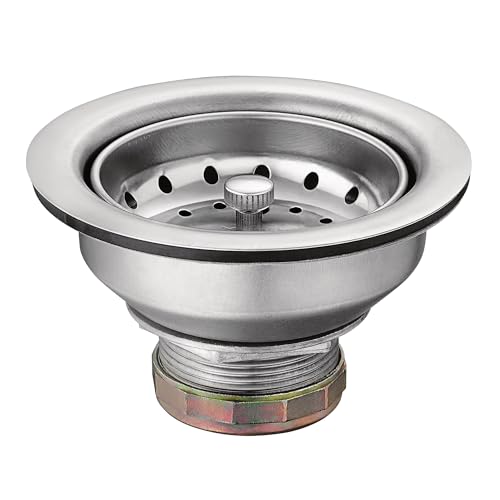
STAINLESS STEEL: Drain plug with sink strainer is meant for stainless steel sinks

Joie’s Flamingo Sink Strainer fits all standard size sink drains to keep them from clogging.
Regular Maintenance Tips
- Flush with Hot Water: Run hot water down the drain after each meal. This helps dissolve any grease that may stick to the pipes.
- Use a Drain Strainer: Install a drain strainer to catch food particles. Empty it regularly to prevent buildup.
- Schedule Monthly Cleanings: Mix baking soda and vinegar down the drain monthly. This preventive measure breaks down any early signs of buildup.
- Review Disposal Use: Operate garbage disposals properly. Feed food in gradually, and always run cold water while disposing of scraps.
- Inspect Under-Sink Areas: Look for signs of leaks or moisture regularly. Early detection prevents major issues.
What Not to Put Down the Sink
- Grease and Fats: Avoid pouring oil, butter, or any fat down the drain. These substances solidify and cause clogs.
- Coffee Grounds: Discard coffee grounds in the trash. They accumulate and create blockages.
- Fibrous Foods: Avoid putting celery, onion skins, or potato peels in the disposal. These fibers tangle and hinder drainage.
- Non-Biodegradable Items: Don’t flush items like plastic, metal, or paper down the sink. These materials don’t break down and cause major blockages.
- Medications: Dispose of pharmaceuticals properly, not in the sink. These can disrupt water systems and are harmful to the environment.
By following these preventive measures, you can keep your kitchen pipes clear and functioning smoothly.
Conclusion
Keeping your kitchen pipes clear doesn’t have to be a daunting task. With the right tools and techniques you can tackle blockages efficiently and prevent future issues. Remember to stay proactive with regular maintenance and be mindful of what goes down your sink.
By implementing simple habits like using a drain strainer and flushing with hot water you’ll not only save yourself from frustrating clogs but also maintain a healthier kitchen environment. So next time you notice a slow drain or unpleasant smells take action quickly. Your kitchen will thank you for it!
Frequently Asked Questions
What causes kitchen pipes to become blocked?
Blocked kitchen pipes are usually caused by a buildup of grease, food debris, hair, and soap residue. Pouring fats down the sink, scraping dishes without removing food first, and foreign objects accidentally entering the disposal can also lead to clogs.
How can I tell if my kitchen pipe is blocked?
Signs of a blocked kitchen pipe include slow draining, unpleasant odors, gurgling sounds, water backups, and wet spots around the sink. If you notice these symptoms, it’s essential to address the issue promptly to prevent more significant problems.
What tools do I need to clean a blocked kitchen pipe?
To clean a blocked kitchen pipe, you’ll need a plunger, plumbing snake, bucket, rubber gloves, and a flashlight. These tools help effectively address and clear clogs without causing further damage to your plumbing.
What DIY cleaning solutions can I use for blockages?
You can use boiling water to dissolve grease, a baking soda and vinegar mixture to break down clogs, and dish soap to lubricate stubborn obstructions. Enzyme cleaners also serve as a natural alternative for maintaining clear pipes.
How can I prevent my kitchen pipes from getting blocked?
Preventive measures include regularly flushing with hot water after meals, using a drain strainer, scheduling monthly maintenance with baking soda and vinegar, and properly using garbage disposals. Avoid putting grease, coffee grounds, and fibrous foods down the sink.
What should I avoid putting down my kitchen sink?
Avoid putting grease, coffee grounds, fibrous foods like celery, non-biodegradable items, and medications down the kitchen sink. These materials can lead to blockages and complicate plumbing issues over time.
