
Key Takeaways
- Importance of Cleaning: Regularly cleaning your kitchen sink sprayer head improves functionality, hygiene, and the overall look of your kitchen.
- Common Issues: Mineral buildup, clogging, and poor water pressure are frequent problems that can affect sprayer performance and can be addressed with routine maintenance.
- Effective Cleaning Method: Vinegar is an excellent solution for breaking down mineral deposits; soaking the sprayer head can restore proper water flow.
- Maintenance Tips: Conduct weekly inspections, clean monthly with vinegar, and replace filters every six months to prolong the life of your sprayer head.
- Post-Use Care: Wipe down the sprayer head after use and store it properly to prevent damage and reduce buildup.
Have you ever noticed a funky spray pattern coming from your kitchen sink sprayer head? You’re not alone! Over time, mineral buildup and grime can clog the sprayer, making it less effective and even a little unsightly.
Importance Of Cleaning Kitchen Sink Sprayer Head
Cleaning the kitchen sink sprayer head is essential for maintaining both functionality and hygiene. A clean sprayer head ensures a proper spray pattern, enhancing your ability to rinse dishes, clean surfaces, and wash vegetables effectively.
Regular cleaning prevents mineral buildup, which can clog the nozzles. Clogged nozzles disrupt the flow of water, resulting in inconsistent spraying. By keeping the sprayer head clean, you promote optimal water flow, helping you complete tasks efficiently.
A dirty sprayer head can harbor bacteria and mold, posing health risks to you and your family. Ensuring cleanliness can minimize these risks and keep your kitchen safe. Additionally, a clean sprayer head enhances the overall appearance of your kitchen, contributing to a more pleasant cooking environment.
When the sprayer head is clean, it also prolongs the life of the fixture. Routine maintenance can reduce the need for replacements, saving you money in the long run. Prioritizing cleaning creates a more enjoyable and functional kitchen space.
Common Issues With Kitchen Sink Sprayer Heads
Kitchen sink sprayer heads face a few common issues that can impact their performance. Awareness of these problems helps you maintain a cleaner, more functional kitchen fixture.
Recommended Products

Best Faucet Partner: The kitchen sink sprayer replacement is compact and be a perfect complement with high concentrated nozzle to clean hard-to-reach spots and smudge. Save time and energy.

Durable Quality:The kitchen sink sprayer head is made of durable ABS plastic and chrome finish protect from any corrosion and tarnishing.

Widely Fit Use: Nice replacement of most OEM faucet side sprayer heads, compatible with Kohler, Delta, Moen, Oakbrook & Glacier Bay, and most brand spray hoses; Faucet thread size: 2.2cm/0.86in, please confirm your and measure your faucet thread size before purchase
Clogs And Blockages
Clogs often occur from mineral buildup or debris trapping water flow. This blockage can lead to an uneven spray pattern or no spray at all. To address clogs, regularly inspect and clean the sprayer head. A vinegar solution can effectively dissolve mineral deposits. Soak the sprayer head in vinegar for about 30 minutes, then scrub gently with an old toothbrush. This simple action restores proper flow and extends the life of your sprayer head.
Poor Water Pressure
Poor water pressure compromises the sprayer’s ability to function properly. Low water pressure can stem from clogs or issues within the plumbing system. First, check the aerator for buildup and clean it if necessary. Confirm that the water supply valve is fully open. If the pressure remains low after these checks, consider involving a plumber to evaluate the home’s plumbing, especially if multiple fixtures display similar issues. Addressing water pressure not only improves the sprayer’s performance but also enhances overall kitchen usability.
Step-By-Step Guide On How To Clean Kitchen Sink Sprayer Head
Cleaning your kitchen sink sprayer head keeps it functioning well and looking good. Here’s a step-by-step guide to help you through the process.
Recommended Products
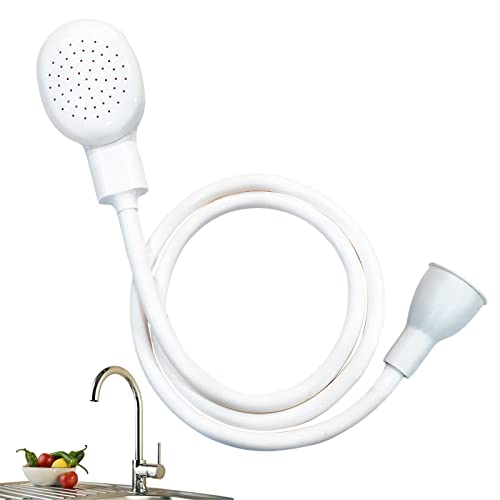
【Pay Attention to Faucet Size】Only suitable for for round faucet with a diameter of 0.59"-1.26". The faucet sprayer attachment is suitable for round faucet, but not suitable for square faucets/old fashioned faucets / bathtub faucets. Faucet sprayer opening is 1.2 inches, the hose is 50.39inch. Be sure to measure your faucet's diameter and faucet shape to assure correct size before purchasing.

Chemical Resistant Heavy Duty Bottle & Sprayer - Our sprayers are made from durable, all-plastic materials with no metal parts, making them more corrosion-resistant. They are BPA-free and eco-friendly, safe for use with bleach, vinegar, rubbing alcohol, and more, and have been validated by countless consumers. They are perfect for both home use and commercial applications.
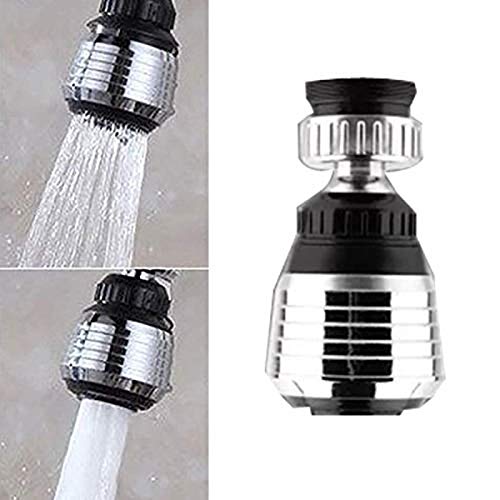
REACH HARD-TO-CLEAN AREAS WITH 360° SWIVEL – Direct the water where you need it to rinse dishes, clean sink corners / hard to reach spots or wash hands; great for kitchen sinks, laundry tubs, mop/utility sinks, garage sinks, and other standard threaded faucets.
Gather Necessary Supplies
Gather a few essential items before starting. You’ll need:
- White vinegar: This works well for dissolving mineral deposits.
- Plastic bag: For soaking the sprayer head.
- Rubber band or string: To secure the bag tightly around the sprayer head.
- Soft cloth: For wiping and drying the sprayer components.
- Toothbrush: For scrubbing away stubborn grime.
Disassemble The Sprayer Head
Begin by carefully removing the sprayer head from the hose.
- Unscrew the sprayer head: Rotate it counterclockwise to detach it from the hose.
- Inspect components: Check the rubber washer and screen for damage or buildup. Replace them if necessary.
Clean With Vinegar Solution
Using vinegar, tackle the mineral buildup effectively.
- Create a soaking solution: Fill the plastic bag with enough white vinegar to submerge the sprayer head.
- Submerge the sprayer head: Place the sprayer head into the bag and secure it with a rubber band or string around the faucet.
- Soak: Let the sprayer head soak for about an hour to dissolve deposits.
- Scrub gently: After soaking, use a toothbrush to scrub away any remaining stains or grime.
Reassemble And Test
Once cleaned, it’s time to put everything back together.
- Rinse thoroughly: Rinse the sprayer head under warm water to remove any vinegar residue.
- Reattach the sprayer head: Screw it back onto the hose by turning it clockwise until it’s secure.
- Test functionality: Turn on the water and check the spray pattern. Ensure everything works as intended.
By following these steps, you’ll maintain a clean kitchen sink sprayer head, ensuring optimal performance and hygiene.
Tips For Maintaining A Clean Sprayer Head
Keeping your kitchen sink sprayer head clean ensures optimal performance. Regular maintenance prevents buildup that impacts functionality. Follow these tips for a hassle-free experience:
Regular Inspection
- Check the sprayer head weekly for grime or mineral deposits.
- Look for any blockages that could affect water flow.
Clean with Vinegar
- Soak the sprayer head in a vinegar solution once a month.
- Mix equal parts vinegar and water for effective cleaning.
Replace the Filter
- Inspect the filter regularly for wear or clogs.
- Replace filters every six months to maintain performance.
Wipe Down After Use
- Use a soft cloth to wipe the sprayer head after each use.
- This simple step reduces drying time and prevents buildup.
Tighten Connections
- Ensure all connections are secure and tight.
- Tighten fittings if you notice any leaks or drips.
Avoid Hard Water
- Use a water softener if your water supply has high mineral content.
- Softened water reduces mineral deposits on the sprayer head.
Store Properly
- When not in use, make sure the sprayer head is in a position that minimizes kinks.
- Proper storage prevents damage and prolongs lifespan.
Implement these tips to keep your kitchen sink sprayer head clean and functional, enhancing your kitchen experience.
Conclusion
Keeping your kitchen sink sprayer head clean is essential for both functionality and hygiene. By following simple maintenance steps like regular inspections and using a vinegar solution, you can ensure a smooth spray pattern and prevent clogs.
Remember to wipe down the sprayer after each use and replace filters as needed. These small efforts not only enhance your cooking experience but also extend the life of your sprayer head.
With a little routine care, you’ll enjoy a cleaner kitchen and more efficient washing, making your time in the kitchen that much more enjoyable. So grab that vinegar and get started on your sprayer head cleaning today!
Frequently Asked Questions
What causes a funky spray pattern from a kitchen sink sprayer head?
A funky spray pattern is often caused by mineral buildup and grime that accumulate over time. This buildup can clog the nozzles, leading to reduced water flow and inconsistent spraying.
How can I clean my kitchen sink sprayer head?
To clean your sprayer head, soak it in a vinegar solution. Disassemble the head, clean it with a soft brush, and reassemble it to ensure optimal performance. Regular cleaning helps maintain functionality and hygiene.
How often should I clean my sprayer head?
It’s recommended to inspect and clean your kitchen sink sprayer head monthly. Regular maintenance prevents mineral buildup and clogs, ensuring consistent performance and improving water flow.
What can I do if I have poor water pressure from my sprayer?
Check the aerator for buildup and ensure that the water supply valve is fully open. If low pressure persists, consult a plumber, as there may be underlying issues affecting water flow.
Are there tips for preventing mineral buildup on the sprayer head?
Yes! Regularly wipe down the sprayer head after each use, soak it in vinegar monthly, and consider using a water softener. Additionally, tighten connections to prevent leaks and replace filters every six months.
