
Key Takeaways
- Understanding Limescale: Limescale is primarily made of calcium carbonate from hard water, leading to unsightly mineral deposits on sinks and faucets.
- Effective Cleaning Methods: Utilize natural solutions like vinegar, baking soda, and lemon juice, or use chemical cleaners specifically designed for limescale removal.
- Step-by-Step Cleaning Guide: Prepare the area, apply the cleaning solution, allow it to sit, scrub gently, and rinse thoroughly for optimal results.
- Preventing Limescale Buildup: Regular maintenance, such as drying the sink after use and cleaning with vinegar weekly, can significantly reduce future limescale formation.
- Water Softeners: Consider installing a water softener to reduce mineral content in hard water, effectively minimizing limescale deposits over time.
Is your kitchen sink looking dull and stained with limescale? You’re not alone. Many people face this frustrating problem, and it can make even the cleanest kitchens feel unkempt.
Understanding Limescale
Limescale is a common mineral deposit that often forms in kitchens, especially on sinks. This section provides insights into what limescale is and how it develops.
What Is Limescale?
Limescale consists primarily of calcium carbonate, which deposits from hard water. When hard water evaporates, it leaves behind these white, chalky residues. You may notice limescale as a crusty buildup on your sink, faucet, or surrounding areas. This buildup not only affects the appearance of your sink but can also impact its functionality over time.
How Does Limescale Form?
Limescale forms when water with high mineral content, particularly calcium and magnesium, evaporates. As the water evaporates, the minerals left behind crystallize and adhere to surfaces. This process occurs more frequently in areas with hard water, which contains more minerals. Factors contributing to increased limescale formation include:
- High Water Temperature: Hot water increases evaporation rates, leading to more deposits.
- Poor Ventilation: Humidity can exacerbate limescale buildup around the sink area.
- Water Stagnation: Accumulation of water in sink basins promotes limescale formation.
By understanding these aspects of limescale, you can take steps to mitigate its impact on your kitchen sink.
Methods for Cleaning Limescale
You can effectively remove limescale from your kitchen sink using various methods. Here are two convenient approaches: natural cleaning solutions and chemical cleaners.
Recommended Products

New cleaning methods : Boost your cleaning routine with our pumice stone.This tool surpasses traditional toilet brushes, providing superior cleanliness and efficiency for an optimally clean and hygienic toilet.

Rapid Limescale Stain Remover: Suitable for bathroom and kitchen, this Limescale Remover works as a limescale and water spot cleaner and hard water stain remover, reducing daily cleaning time and restoring a shiny like‑new finish on faucets, also stubborn stain remover for faucets

Powerful Cleaning Performance Our pumice stone for cleaning easily removes stubborn hard water stains, limescale, and rust from toilets, sinks, pool tiles, and stoves, making your home sparkling clean.
Natural Cleaning Solutions
- Vinegar: Soak a cloth in white vinegar and wrap it around the limescale-affected area. Let it sit for 30 minutes, then wipe clean. Vinegar’s acidity dissolves mineral deposits.
- Baking Soda: Make a paste by mixing baking soda with water. Apply the paste to limescale spots and scrub with a soft brush. Rinse thoroughly. Baking soda is mildly abrasive, ensuring effective cleaning.
- Lemon Juice: Apply fresh lemon juice directly to the limescale. Allow it to sit for about 15 minutes before wiping clean. The citric acid in lemon juice actively combats mineral deposits.
Chemical Cleaners
- Limescale Remover: Use store-bought limescale removers according to product instructions. Apply the cleaner to the affected areas, wait for the specified time, then scrub and rinse. Most chemical cleaners effectively dissolve stubborn limescale.
- Dish Soap and Water: Before using stronger chemicals, try a mix of dish soap and warm water. Apply the solution to limescale areas, scrub, and rinse. This method is useful for lighter build-ups.
- Toilet Bowl Cleaner: In dire situations, you can use toilet bowl cleaners designed to tackle tough stains. Apply a small amount to limescale spots, wait for several minutes, scrub, and rinse thoroughly. This method is effective but should be used sparingly due to strong chemicals.
These methods provide effective solutions to combat limescale in your kitchen sink.
Step-by-Step Guide
Cleaning limescale from your kitchen sink is straightforward. Follow these steps for effective results.
Recommended Products
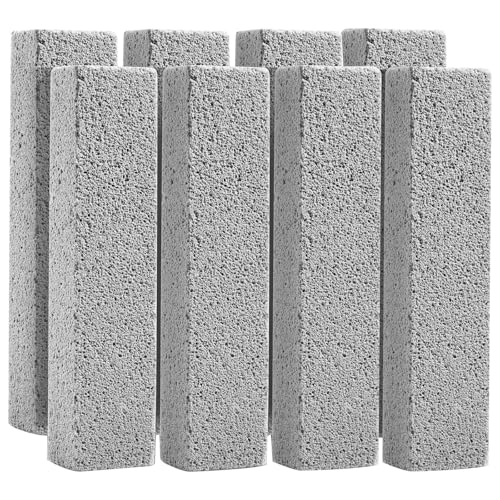
QUICK, VERSATILE: Pumice stone for toilet clean calcium sediment, limescale, and hard water rings on toilets, sinks, bathroom tiles, and other ceramic surfaces. It can also be used to Remove rust and Oil stains from grills and ovens

SCRUBS AWAY TOUGH STAINS: Vacplus pumice stone toilet bowl cleaner powers through all sorts of difficult bathroom stains with ease. Its natural abrasive properties allow it to effectively remove hard water rings in toilets, rock-hard mineral deposits around drains and faucets, limescale buildup, rust stains on metal surfaces, and even tough algae in pools and tubs. This toilet cleaner stick works like an eraser to refresh your bathroom.
![Bastion Garbage Disposal Cleaner and Deodorizer Drops- [[50-Count]] Lemon Zest Scented Kitchen Sink Freshener Pods & Drain Odor Eliminator Disposer Care Balls](https://m.media-amazon.com/images/I/41LDQnbcmqL._SL500_.jpg)
Preparing the Area
- Clear the sink: Remove dishes, utensils, and any other items from the sink to ensure full access.
- Cover surrounding areas: Protect nearby surfaces with a cloth or paper towel to catch any drips or spills.
- Gather supplies: Collect your chosen cleaning solution, a spray bottle, a soft sponge or scrub brush, and gloves for protection.
Applying the Cleaning Solution
- Choose a cleaner: Select a natural solution like vinegar or lemon juice, or opt for a chemical limescale remover.
- Spray the solution: Apply the cleaner generously to the affected areas of the sink.
- Let it sit: Allow the solution to work for 10 to 15 minutes. This waiting time helps dissolve limescale effectively.
Scrubbing Techniques
- Use a sponge or brush: Gently scrub the treated areas using a soft sponge or brush. Apply more pressure on stubborn spots, but avoid scratching the sink surface.
- Rinse thoroughly: Rinse the sink with warm water to remove the cleaning solution and loosened limescale.
- Dry the sink: Use a towel to dry the sink, which prevents new limescale deposits from forming.
By following these steps, you’ll restore your kitchen sink’s shine and keep limescale at bay.
Preventing Future Limescale Build-Up
Preventing future limescale formation in your kitchen sink takes consistent effort, but small changes can make a big difference.
Recommended Products

Morton Clean and Protect Water Softener Salt Pellets, 40 LB (Pack-2)
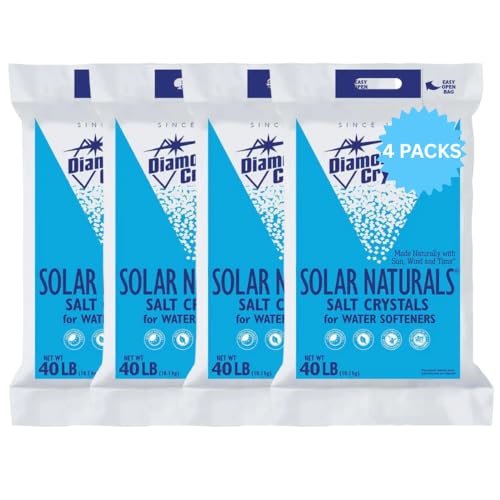

4-Pack Value Supply Includes four 40 lb bags of Pure and Natural Water Softener Salt Crystals, ideal for keeping your water softener stocked and ready.
Regular Maintenance Tips
- Wipe down the sink after each use. Use a soft cloth to dry surfaces, which limits moisture exposure.
- Rinse the sink daily to remove any food particles or residue that can trap moisture.
- Clean with vinegar weekly. Spray a mixture of equal parts vinegar and water, then wipe down the sink to dissolve any early signs of limescale.
- Inspect faucet aerators for mineral buildup monthly. Remove and soak them in vinegar if necessary.
Using Water Softeners
- Consider installing a water softener. This device removes minerals from hard water, significantly reducing limescale deposits.
- Opt for a salt-based softener. These are effective in removing calcium and magnesium ions, the main limescale contributors.
- Monitor water hardness regularly. Test strips help you keep track of mineral content, allowing adjustments in your softening system.
- Refill water softener salt as needed. Ensure your system functions effectively by maintaining the proper salt level.
Implementing these strategies helps maintain a clean and sparkling kitchen sink while reducing limescale buildup over time.
Conclusion
Keeping your kitchen sink free from limescale doesn’t have to be a chore. With a little regular maintenance and the right cleaning techniques, you can enjoy a sparkling sink every day. Whether you prefer natural solutions or chemical cleaners, you’ve got options that suit your style.
Remember that prevention is key. Simple habits like wiping down your sink after use and using vinegar weekly can make a big difference. By staying proactive, you’ll not only keep limescale at bay but also enhance the overall look of your kitchen. So grab your cleaning supplies and get ready to enjoy a fresh and clean sink!
Frequently Asked Questions
What causes limescale in kitchen sinks?
Limescale forms from hard water, which contains high levels of minerals like calcium carbonate. When hard water evaporates, it leaves behind white, chalky deposits. Factors such as high water temperature, poor ventilation, and water stagnation can worsen limescale buildup.
How can I clean limescale from my kitchen sink?
You can clean limescale using natural solutions like vinegar, baking soda, or lemon juice, or with chemical cleaners designed for limescale removal. A step-by-step approach involves preparing the area, applying the cleaner, scrubbing, rinsing thoroughly, and drying the sink.
Are natural cleaners effective against limescale?
Yes, natural cleaners like vinegar and baking soda can effectively dissolve limescale due to their acidic properties. They are safe for most sink surfaces and can be used regularly for effective maintenance.
How often should I clean my kitchen sink to prevent limescale?
To prevent limescale buildup, it’s recommended to wipe down your sink after each use, rinse it daily, and perform a deeper clean with vinegar weekly. Regular maintenance helps keep your sink sparkling clean.
What can I do to prevent limescale build-up?
To reduce limescale, consider installing a water softener to lower mineral content in hard water. Additionally, inspect faucet aerators monthly, and maintain a routine of wiping down and rinsing your sink after each use.
