
Key Takeaways
- Mold Growth Causes: High humidity, spills, poor airflow, and temperature fluctuations contribute to mold forming on refrigerator seals.
- Preparation Essentials: Gather necessary cleaning tools including dish soap, vinegar, soft cloths, and gloves before starting the cleaning process.
- Effective Cleaning Solutions: Utilize mild dish soap, white vinegar, baking soda paste, or commercial mold removers for effective cleaning.
- Cleaning Steps: Unplug the refrigerator, apply your chosen cleaning solution, scrub the seal, wipe away residue, and ensure thorough drying to prevent mold regrowth.
- Regular Maintenance: Inspect seals weekly, clean them monthly, and fix leaks promptly to foster a mold-free environment.
- Best Practices: Control kitchen humidity, store food in airtight containers, avoid refrigerator overcrowding, and maintain a temperature below 40°F (4°C) for optimal freshness.
Have you ever opened your refrigerator only to be greeted by a grimy moldy seal? It’s a frustrating sight that can make you question the cleanliness of your food. Mold thrives in damp environments, and the refrigerator seal is a perfect spot for it to grow if not properly maintained.
Understanding Mold Growth on Refrigerator Seals
Mold growth on refrigerator seals poses a common problem that requires attention. Mold thrives in damp environments, making refrigerator seals a prime location for development if not properly cared for.
Causes of Mold on Seals
Mold appears on refrigerator seals for several reasons:
- Humidity: High humidity levels in your kitchen increase moisture around the refrigerator, creating an ideal environment for mold.
- Spills: Food spills or leaks can provide the necessary nutrients for mold growth, especially if not cleaned promptly.
- Poor Airflow: Seals that don’t fit tightly can trap moisture within, promoting mold proliferation.
- Temperature Fluctuations: Inconsistent temperatures inside the fridge can lead to condensation, a contributing factor to mold presence.
Preparations Before Cleaning
Cleaning mold from your refrigerator seal requires some careful planning. Follow these steps to ensure a successful and safe cleaning process.
Recommended Products
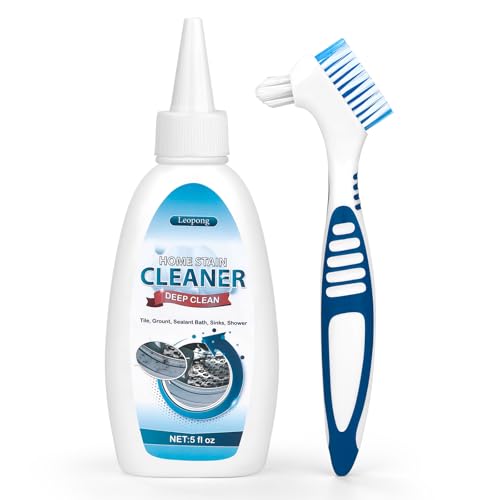
【 Deep cleaning 】A powerful home cleaner gel formula for easy cleaning of all kinds of surface, it penetrates deep into surface pores, making them easy to clean

【 Deep cleaning 】A powerful home cleaner gel formula for easy cleaning of all kinds of surface, it penetrates deep into surface pores, making them easy to clean

【 Deep cleaning 】A powerful home cleaner gel formula for easy cleaning of all kinds of surface, it penetrates deep into surface pores, making them easy to clean
Tools and Materials Needed
- Dish soap: Use a mild dish soap for effective cleaning.
- Water: Mix with soap to create a cleaning solution.
- Soft cloths or sponges: Choose non-abrasive options to avoid damaging the seal.
- Old toothbrush: Utilize this for scrubbing hard-to-reach areas.
- White vinegar or baking soda: Consider these for natural cleaning alternatives.
- Spray bottle: Use this to apply your cleaning solution easily.
- Bucket: Keep this for rinsing cloths and sponges.
- Gloves: Wear disposable or rubber gloves to protect your hands.
Safety Precautions
- Turn off the refrigerator: Unplugging the appliance prevents electrical hazards during cleaning.
- Ensure ventilation: Open windows or use fans to circulate air, especially when using strong cleaning solutions.
- Wear protective gear: Use gloves and a mask if you’re sensitive to mold or cleaning products.
- Avoid mixing cleaners: Don’t combine different cleaning agents, as this can create toxic fumes.
- Check for allergies: Confirm no one in your household has allergies to the cleaning materials used.
By gathering the right tools and taking necessary safety precautions, you’re ready to tackle mold removal effectively.
Step-by-Step Guide on How to Clean Mold on Refrigerator Seal
Cleaning mold from your refrigerator seal requires a few straightforward steps. By using the right cleaning solutions and following a systematic process, you can effectively eliminate the mold and keep your refrigerator fresh.
Recommended Products

Powerful and Quick: You take 5 minutes to apply the gel and 5-8 hours to wait for it

Washer Seal Cleaner: A targeted washing machine cleaner for front load washer door seals, rubber gaskets and narrow grooves. The thick clinging gel helps clean dark stains and residue around washer seal areas

Effective Home Removal: Home Remover Gel effectively dissolves and lifts dark spots from sealed surfaces, providing thorough cleaning for long-lasting surface cleanliness
Cleaning Solutions to Use
- Mild Dish Soap: Mix a few drops of dish soap in warm water. This solution cuts through grime and helps lift mold.
- White Vinegar: An effective natural cleaner, undiluted vinegar kills mold spores. Apply it directly to the affected area.
- Baking Soda Paste: Combine equal parts baking soda and water to create a paste. It’s gentle yet effective for tough mold spots.
- Commercial Mold Removers: If you prefer, use products labeled for mold removal. Always follow the manufacturer’s instructions.
Cleaning Process Overview
- Unplug the Refrigerator: This step ensures safety while you clean.
- Apply Cleaning Solution: Choose your preferred solution and apply it to the moldy area. Let it sit for about 5-10 minutes.
- Scrub the Seal: Use a soft cloth or an old toothbrush to scrub gently. Focus on crevices where mold tends to hide.
- Wipe Away Residue: Dampen a cloth with clean water and wipe away the cleaning solution and loosened mold.
- Dry Thoroughly: Use a dry cloth to ensure the area is completely dry. This step helps prevent future mold growth.
- Check for Remaining Mold: Inspect the seal. If mold persists, repeat the process as necessary to achieve a clean seal.
Following this guide keeps your refrigerator seal mold-free, promoting a healthier kitchen environment.
Preventative Measures to Avoid Mold
Maintaining a mold-free refrigerator seal involves proactive steps that prevent mold from taking hold.
Regular Maintenance Tips
- Inspect seals regularly. Check the refrigerator seals weekly for any signs of mold or mildew. Early detection prevents larger infestations.
- Clean seals every month. Use a solution of mild dish soap and water to wipe down seals monthly. This routine helps eliminate food particles and moisture.
- Dry thoroughly. After cleaning, ensure seals dry completely. Dampness encourages mold growth.
- Fix any leaks. Address water leaks from the refrigerator or nearby appliances immediately. Water exposure creates an ideal environment for mold.
Best Practices for Refrigerator Use
- Control humidity levels. Keep humidity in your kitchen low. Use exhaust fans during cooking and keep windows open when feasible.
- Store food properly. Seal food in airtight containers to prevent spills and minimize moisture in the refrigerator.
- Avoid overcrowding. Ensure good airflow within the refrigerator. Overcrowding can trap moisture and create warm spots.
- Check temperature settings. Keep your refrigerator temperature at or below 40°F (4°C) to prevent condensation. Regularly monitor the temperature to ensure it remains within the safe range.
Implement these measures to significantly reduce the risk of mold on your refrigerator seal.
Conclusion
Keeping your refrigerator seals mold-free is key to maintaining a healthy kitchen. By following the steps outlined and using the right cleaning solutions you can easily tackle any mold issues. Regular inspections and maintenance will go a long way in preventing mold from returning.
Remember to stay proactive by controlling humidity and fixing any leaks quickly. With a little effort you can ensure your fridge stays clean and fresh. Enjoy the peace of mind that comes with knowing your food is stored in a safe environment. Happy cleaning!
Frequently Asked Questions
What causes mold to grow on refrigerator seals?
Mold grows on refrigerator seals due to several factors: high humidity levels in the kitchen, food spills that provide nutrients, poor airflow from ill-fitting seals, and temperature fluctuations leading to condensation.
How can I prepare to clean mold from refrigerator seals?
To prepare for cleaning, gather tools and materials like mild dish soap, warm water, soft cloths, an old toothbrush, and natural cleaners such as white vinegar or baking soda. Ensure safety by turning off the refrigerator, ensuring proper ventilation, and wearing protective gear.
What is the best way to clean mold from refrigerator seals?
First, unplug the refrigerator. Apply a cleaning solution (dish soap, vinegar, or baking soda paste) directly to the seal, scrub with a toothbrush, wipe away residue, and dry thoroughly. Check for any remaining mold before plugging the refrigerator back in.
How often should I check for mold on my refrigerator seals?
Inspect your refrigerator seals weekly for any signs of mold. This regular check helps you catch any growth early, making it easier to clean and maintain a healthier kitchen environment.
What preventative measures can I take against mold growth on seals?
To prevent mold, store food in airtight containers, fix leaks promptly, control kitchen humidity, avoid overcrowding the fridge, and regularly check temperature settings to keep it at or below 40°F (4°C).
