
Key Takeaways
- Revival Over Discarding: Old metal kitchen utensils can be rejuvenated through simple cleaning methods rather than being thrown away, preserving their sentimental value.
- Understanding Metal Types: Familiarize yourself with various metal types like stainless steel, aluminum, cast iron, copper, and tin, as each requires different cleaning techniques for effective restoration.
- Identifying Common Issues: Recognize common problems such as rust, tarnish, scratches, food residue, and dents that can affect the usability and appearance of your utensils.
- Effective Cleaning Methods: Utilize soaking in soapy water, baking soda, and vinegar for effective cleaning, tailored to the material of each utensil for optimal results.
- Essential Tools and Supplies: Gather necessary cleaning supplies such as sponges, baking soda, vinegar, and brushes to streamline the cleaning process and ensure thorough restoration.
- Step-by-Step Guide: Follow a clear step-by-step cleaning process specific to each metal type for restoring and maintaining the functionality and aesthetics of your treasured utensils.
Do you have old metal kitchen utensils gathering dust in a drawer? You’re not alone. Many of us have cherished pieces that have seen better days but still hold sentimental value. Whether it’s a rusty whisk or tarnished spoons, these utensils can often feel like lost causes.
But don’t toss them just yet! With a few simple cleaning techniques, you can bring those kitchen tools back to life. This article will guide you through effective methods to restore your metal utensils, making them not only usable but also a beautiful part of your kitchen again. You’ll discover how easy it can be to revive those vintage treasures and enjoy them for years to come.
Understanding Old Metal Kitchen Utensils
Old metal kitchen utensils often carry memories and charm. While wear and tear may diminish their appearance, these items can often be revived rather than discarded. Understanding the types and common issues with these utensils is essential for effective cleaning.
Types of Metal Utensils
- Stainless Steel Utensils
Stainless steel offers durability and resistance to rust. Common examples include mixing bowls and measuring cups.
- Aluminum Utensils
Aluminum utensils are lightweight, making them easy to handle. Examples are spatulas and ladles. They may dent easily but can be cleaned effectively.
- Cast Iron Utensils
Cast iron pans and skillets improve with age when cared for properly. These utensils develop a natural non-stick surface over time.
- Copper Utensils
Copper utensils add elegance but tarnish easily. Items such as pots and measuring spoons need special care to maintain their shine.
- Tin Utensils
Tin utensils come from repurposed materials and can show wear due to exposure. These include various baking sheets and containers.
Common Issues with Old Utensils
- Rust
Rust forms on iron and steel utensils when moisture is trapped. Regular use and proper drying prevent this common issue.
- Tarnish
Tarnish affects copper and aluminum utensils, often creating a dull appearance. Cleaning with vinegar or baking soda restores the shine.
- Scratches
Over time, utensils may develop scratches from frequent use. While these don’t affect functionality, they can impact aesthetics.
- Food Residue
Old food residue can cling to utensils. Submerging them in warm, soapy water typically loosens stubborn particles.
- Bending or Denting
Utensils like aluminum spatulas can bend or dent from improper storage. Store them flat to prevent this type of damage.
Best Cleaning Methods
Reviving your old metal kitchen utensils can be simple and effective. Here are the best methods to clean them.
Recommended Products
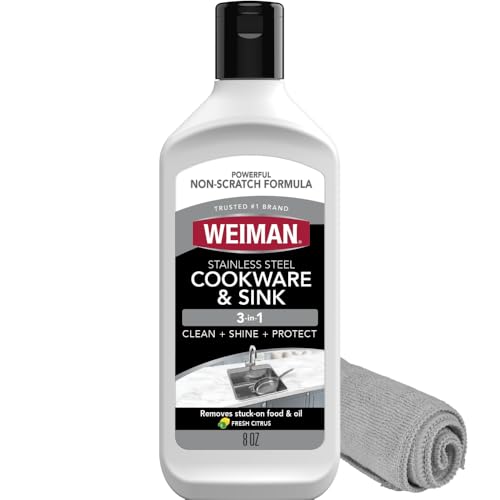
#1 Selling Stainless Steel Brand - The best selling & most trusted stainless steel cleaning product

Restores Like-New Shine: Scratch Pro kit restores like-new shine of Stainless Steel Sinks and makes old, dull sinks look bright and reflective again
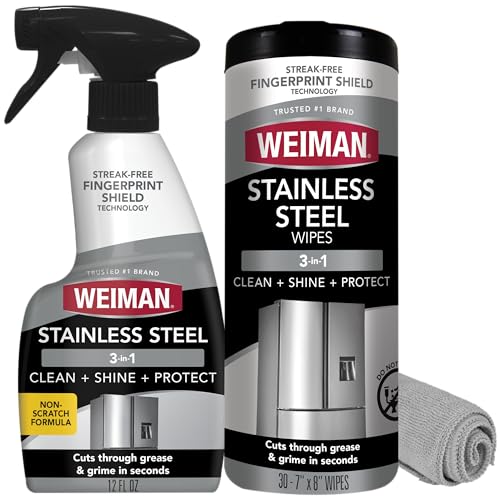
Cleans, polishes & protects stainless steel: Our stainless steel cleaner for appliances removes fingerprints, grease, residue, and water spots. This kit includes spray, which won a 2026 Good Housekeeping Cleaning Award, cloth & appliance wipes that leave a streak-free shine and a protective barrier that helps prevent future smudges.
Soaking in Soapy Water
Soaking your utensils in soapy water effectively removes grime and food residue. Here’s how to do it:
- Fill a sink or basin with warm water and add a few drops of dish soap.
- Submerge the utensils and let them soak for 15 to 30 minutes.
- Use a soft sponge or cloth to gently scrub away any remaining residue.
- Rinse thoroughly with clean water, then dry with a towel or air-dry.
This method works well for stainless steel and aluminum utensils. Avoid soaking wooden handles as moisture can damage them.
Using Baking Soda and Vinegar
Baking soda and vinegar create a natural cleaning powerhouse that tackles tough stains and tarnish.
- Sprinkle baking soda over the tarnished areas of the utensils.
- Spray or dab vinegar on top of the baking soda to create a fizzing reaction.
- Allow the mixture to sit for 5 to 10 minutes.
- Scrub gently with a sponge or cloth to lift the tarnish.
- Rinse with warm water and dry thoroughly.
This method is especially effective for copper and tin utensils. The combination of both ingredients is safe for most metals and leaves them looking shiny and new.
Tools and Supplies Needed
Cleaning old metal kitchen utensils requires specific tools and supplies to ensure effective restoration. Gather these items for a successful cleaning process.
Recommended Products

Cleans, polishes & protects stainless steel: Our stainless steel cleaner for appliances removes fingerprints, grease, residue, and water spots. Weiman appliance wipes leave a streak-free shine and a protective barrier that helps prevent future smudges.

Polishes as it cleans to beautify and protect stainless steel, chrome, and aluminum appliances and metal surfaces

Bar Keepers Friend Cookware Cleanser & Polish is a stainless steel cleaner and degreaser for pots, pans, and bakeware; This product's powerful grease remover cuts through oil, baked on food, mineral deposits, and rust stains; Safe for use on all stainless steel cookware, including All-Clad stainless steel pots and pans, and glass lids; This versatile cleaner is also safe to use for cleaning stainless steel sinks, porcelain sinks, steel grills, and other surfaces
Recommended Cleaning Tools
- Sponge or Soft Cloth: Use a non-abrasive sponge or soft cloth to avoid scratching the surface of the utensils.
- Scrub Brush: Choose a brush designed for delicate surfaces for tougher stains or rust removal.
- Bucket: A bucket holds soapy water for soaking utensils and makes cleanup easier.
- Old Toothbrush: An old toothbrush works well for accessing crevices and hard-to-reach areas.
- Steel Wool: Opt for fine-grade steel wool for gentle scrubbing of stubborn tarnish on metal.
Natural Cleaning Supplies
- Dish Soap: Use a gentle dish soap for soaking and cleaning utensils. This removes grease and residue effectively.
- Baking Soda: Baking soda serves as a natural abrasive to tackle rust and tarnish. Mix it with water to create a paste.
- White Vinegar: White vinegar helps dissolve mineral deposits and tarnish. Soak utensils in a vinegar solution for best results.
- Lemon Juice: Lemon juice’s acidity cuts through tarnish and leaves a fresh scent. Combine with baking soda for added cleaning power.
- Olive Oil: Olive oil aids in polishing and protects the metal finish after cleaning.
Having these tools and supplies on hand streamlines the cleaning process, making it easier to restore your old metal kitchen utensils.
Step-by-Step Cleaning Process
Cleaning old metal kitchen utensils is easy and satisfying. Follow these steps to restore your favorites to their former glory.
Recommended Products

【High-quality Design】 Cast Iron Brush is set with a anti-slip handle, which is convenient to hold. The curved steel wool scrubber makes it very good to clean to the side and bottom of the pot. The chains of this product are denser and have stronger cleaning power.
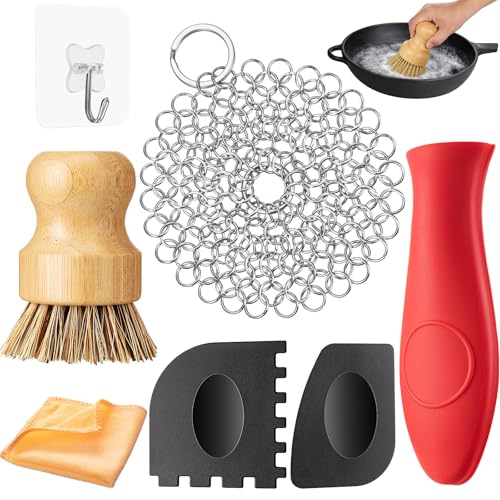
7 Useful kitchen gadgets: you will get 7-in-1 kitchen cleaning set, including 1 stainless steel chainmail scrubber, 1 bamboo scrub cleaning brushes, 1 hot handle holder, 2 pan scrapers, 1 orange towel and 1 wall hook, greatly speeding up your cleaning process

The Original Chain Mail Scrubber Cast Iron! Often imitated, never duplicated, you can trust Knapp Made CM Scrubbers. Superior quality chain mail scrubbers since 2011.
Preparing the Utensils for Cleaning
- Gather Supplies: Collect the following items: a bucket, gentle dish soap, baking soda, white vinegar, lemon juice, a non-abrasive sponge, a scrub brush, an old toothbrush, and fine-grade steel wool.
- Inspect Each Utensil: Check for rust, tarnish, or damage. Note any areas needing special attention.
- Soak Utensils: Fill a bucket with warm, soapy water. Submerge your utensils and let them soak for about 15 to 30 minutes. This loosens grime and food residue.
- Rinse Thoroughly: Remove the utensils, rinse them under warm water, and dry them with a clean towel.
Cleaning Techniques for Different Metals
- Stainless Steel:
- Apply a mixture of baking soda and water to form a paste.
- Gently scrub with a non-abrasive sponge in the direction of the grain.
- Rinse and dry immediately to prevent water spots.
- Aluminum:
- Create a solution of equal parts vinegar and water.
- Soak aluminum utensils for 10 minutes, then scrub with a non-abrasive sponge.
- Rinse thoroughly to avoid oxidation.
- Copper:
- Use a mixture of lemon juice and baking soda to form a paste.
- Apply the paste to the tarnished areas and let it sit for 5-10 minutes.
- Buff with a soft cloth, then rinse and dry.
- Cast Iron:
- Avoid soaking in water. Instead, scrub with a dry brush to remove residue.
- Wipe with a cloth dipped in vegetable oil after cleaning to maintain seasoning.
- Tin:
- Mix baking soda and water into a paste.
- Gently rub the paste on the tin surfaces using a soft sponge.
- Rinse with warm water and dry properly.
By following these steps for your metal utensils, you restore not just their look but also their functionality, giving these kitchen loyalists new life.
Conclusion
Reviving your old metal kitchen utensils can be a rewarding experience. With just a little effort you can bring back their charm and functionality. Remember the sentimental value these items hold and the memories they carry.
By using the right cleaning techniques and natural supplies you can easily restore their beauty. So don’t hesitate to roll up your sleeves and give those vintage tools a fresh start.
You’ll not only enjoy using them again but also cherish the unique character they add to your kitchen. Happy cleaning!
Frequently Asked Questions
What should I do with my old metal kitchen utensils?
It’s best not to throw them away! Old metal kitchen utensils often hold sentimental value. Instead of discarding them, consider cleaning and restoring them for continued use and enjoyment.
How can I clean rusty metal utensils?
To clean rusty utensils, soak them in soapy water to loosen grime, then scrub with a non-abrasive sponge. For tougher rust, create a paste with baking soda and water, apply it to the rust spots, and scrub gently.
Which natural products can I use for cleaning?
Common natural cleaning supplies include baking soda, white vinegar, lemon juice, and gentle dish soap. These are effective for removing tarnish and grime without damaging your utensils.
What types of metal kitchen utensils can I restore?
You can restore various types of metal utensils, including stainless steel, aluminum, copper, cast iron, and tin. Each metal has unique cleaning requirements that cater to its properties.
Are there specific tools I need for cleaning utensils?
Essential tools include a non-abrasive sponge, scrub brush, old toothbrush, and fine-grade steel wool. Having these on hand will make the cleaning process easier and more effective.
How can I prevent future tarnish on my utensils?
To prevent tarnish, clean your utensils after each use and store them in a dry place. Applying a thin layer of olive oil can also help protect against moisture and tarnish.
Is it worth restoring old utensils?
Absolutely! Restoring old utensils not only saves money but also cherishes memories associated with them. It promotes sustainable practices and allows you to enjoy tools that have character and history.
