
Key Takeaways
- Understanding Components: Familiarize yourself with key parts of single handle kitchen faucets, such as the handle, cartridge, spout, base, and supply lines to better diagnose issues.
- Recognizing Common Issues: Be aware of signs indicating cartridge problems, including dripping faucets, reduced water flow, temperature fluctuations, and unusual noises.
- Importance of Regular Cleaning: Cleaning the faucet cartridge regularly prevents clogs, ensures proper water flow, and enhances temperature control, prolonging the faucet’s lifespan.
- Proper Cleaning Procedure: Follow a step-by-step guide to effectively clean your faucet cartridge using vinegar, a soft brush, and proper reassembly techniques to maintain faucet performance.
- Maintenance Tips: Regularly inspect seals and washers, monitor water flow, lubricate moving parts, and avoid harsh chemicals to ensure long-term functionality of your kitchen faucet.
- Seek Professional Help When Needed: If problems persist despite maintenance, consider consulting a plumber for a professional inspection to avoid more serious issues.
Have you noticed your kitchen faucet dripping or not flowing as smoothly as it used to? It’s a common issue that can be both annoying and wasteful. The culprit is often a dirty or clogged cartridge, but don’t worry—it’s a problem you can tackle yourself.
Understanding Single Handle Kitchen Faucets
Single handle kitchen faucets combine stylish design with practical functionality. They use a single lever to control both water temperature and flow, giving you precise control with minimal effort. Understanding their components can help you troubleshoot common issues.
Recommended Products
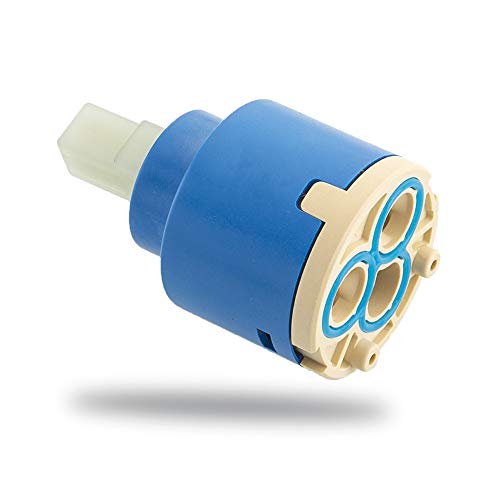
Ceramic Cartridge Replacement: Say bye to leaking, broken, or defective faucets with repair replacement.,Xuchuan is here to help you make your fixtures be fine again

N35DW-Standard 35 mm square stem ceramic disc cartridge w/o distributor for various single handle faucets.

35MM UNIVERSAL REPLACEMENT - Stop leaks and drips with precision ceramic discs; Fits most standard single-handle kitchen and bathroom faucets, providing a smooth, consistent water flow
Key Components
- Handle: This lever adjusts water temperature and flow.
- Cartridge: The key internal component regulates water mixing and pressure. A dirty cartridge often causes flow problems.
- Spout: This part delivers water from the faucet. It may feature a pull-down or pull-out design for better reach.
- Base: The foundation that secures the faucet to the sink or countertop.
- Supply Lines: These connect the faucet to the water supply, bringing hot and cold water to your faucet.
Common Issues
Single handle kitchen faucets may experience specific problems, often due to cartridge issues. Typical symptoms include:
- Dripping Water: Continuous water flow when the handle is off may signal a worn cartridge.
- Reduced Water Flow: Low pressure could indicate a clogged cartridge or debris in the supply lines.
- Temperature Fluctuations: Inconsistent water temperature often results from a malfunctioning cartridge.
Maintenance Tips
- Regular Cleaning: Clean the faucet regularly to prevent mineral buildup. Use vinegar to soak and remove hard water deposits.
- Inspect Seals and Washers: Check these components periodically for wear. Replacing them can prevent leaks.
- Monitor Flow: If you notice changes in water flow, inspect the cartridge.
Tools Needed
- Screwdriver: Required to remove the handle and access the cartridge.
- Pliers: Helpful for loosening tight connections.
- Replacement Cartridge: Keep a suitable cartridge on hand for quick repairs.
Understanding how single handle kitchen faucets work allows you to maintain them effectively. Recognizing the components and common issues prepares you for any problems that may arise.
Importance of Cleaning Faucet Cartridges
Cleaning faucet cartridges is crucial for maintaining optimal kitchen faucet performance. A clean cartridge ensures smooth water flow, consistent temperature control, and prevents leaks, making your faucet more efficient.
Benefits of Regular Maintenance
Regular maintenance extends your faucet’s lifespan and improves its functionality. Benefits include:
- Consistent Water Flow: A clean cartridge allows water to flow freely, preventing annoying drips and splashes.
- Improved Temperature Control: Clean cartridges enhance the ability to adjust water temperature easily.
- Reduced Wear and Tear: Routine cleaning minimizes the risk of damage to internal components, saving on future repair costs.
- Preventing Complex Issues: Addressing minor clogs and buildup early prevents major complications down the road.
Signs of a Dirty Cartridge
Recognizing when a cartridge is dirty is essential for timely maintenance. Look for these signs:
- Dripping Faucet: If your faucet drips continuously, a dirty cartridge might be the culprit.
- Weak Water Pressure: Reduced pressure could indicate clogs in the cartridge.
- Temperature Fluctuations: Difficulty achieving stable water temperatures often signals a buildup preventing smooth operations.
- Unusual Noises: Whistling or grinding sounds during operation may suggest debris in the cartridge.
By keeping an eye out for these indicators, you can maintain your single handle kitchen faucet’s performance and longevity.
Step-by-Step Guide on How to Clean Single Handle Kitchen Faucet Cartridge
Cleaning the cartridge in your single handle kitchen faucet helps maintain optimal performance. Follow these clear steps to ensure a smooth process.
Recommended Products
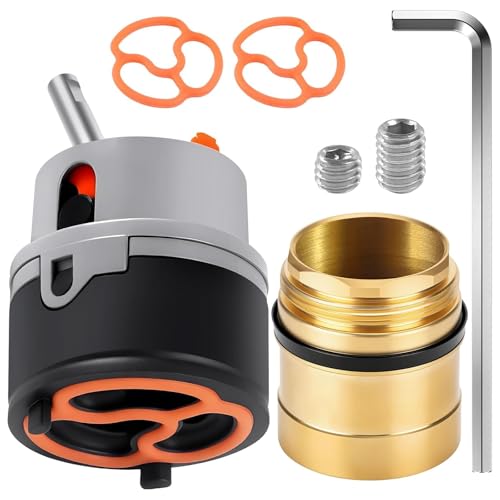
🚰 【Precise Fit for Delta DST Faucets】This RP50587 replacement cartridge is designed for compatibility with a wide range of Delta single-handle kitchen and bathroom faucets, including models 100, 101, 140, 400, 440, 441, and more. It serves as a direct replacement for the delta rp50587 cartridge valve, ensuring a perfect fit and reliable operation. ♥【NOTE: Packaged with 2 Seal Gaskets, one of it has been preinstalled.】

【Premium Quality】This ceramic valve core features precision-engineered ceramic discs for superior wear resistance and a smooth, leak-proof operation. It ensures reliable performance in various water conditions, delivering long-lasting durability for your faucet.

Perfect Compatibility: The RP50587 valve cartridge fits part DST single-handle kitchen and lavatory . (DST Faucet Model:100; 101; 140; 141; 400; 440; 441; 470; 501; 520; 522; 978; 1353; 1903; 4140; 4153; 4353; 4453; 9178; 9678; 9978; 16968; 16970; 19888;19950Z)
Gathering Necessary Tools and Materials
You’ll need a few essential tools and materials to get started:
- Adjustable wrench: Useful for loosening nuts.
- Screwdriver: Flathead or Phillips, depending on your faucet model.
- Bowl or towel: To catch any water or debris.
- Vinegar: For cleaning mineral deposits.
- Soft brush: Ideal for scrubbing the cartridge.
- Lubricant: Silcone-based grease for reassembly.
Removing the Faucet Handle
You first need to remove the handle to access the cartridge. Follow these steps:
- Locate the set screw: Usually found on the back or underside of the handle.
- Loosen the screw: Use a screwdriver to carefully unscrew it.
- Gently pull off the handle: If it’s stuck, wiggle it lightly to release.
Accessing the Cartridge
Once the handle is off, you can access the cartridge:
- Unscrew the retaining nut: Use your adjustable wrench to loosen and remove it.
- Lift out the cartridge: Grab it by the base and pull straight out. Some water may drip, so use your bowl or towel.
Cleaning the Cartridge
You’ll want to clean the cartridge properly for optimal function:
- Soak in vinegar: Place the cartridge in a bowl of vinegar for about 30 minutes. This dissolves mineral buildup.
- Scrub gently: Use your soft brush to clean any stubborn debris.
- Rinse thoroughly: Rinse the cartridge under warm water to remove all vinegar and loosened particles.
Reassembling the Faucet
It’s time to put everything back together:
- Insert the cleaned cartridge: Push it back into the faucet body.
- Tighten the retaining nut: Use your wrench to secure it, but avoid over-tightening.
- Replace the handle: Align it properly and reinsert the set screw.
- Test for leaks: Turn the water supply back on and check for any dripping around the handle.
Following these steps ensures your single handle kitchen faucet operates efficiently and lasts longer, reducing the need for future repairs.
Tips for Maintaining Faucet Cartridges
Regular Cleaning
Clean the faucet cartridge every few months to prevent buildup. Use vinegar or a mild cleaner and a soft brush. Scrubbing gently helps remove mineral deposits and dirt.
Inspect Seals and Washers
Inspect seals and washers for wear at least once a year. Check for cracks or signs of degradation. Replacing damaged parts can prevent leaks and improve efficiency.
Monitor Water Flow
Monitor water flow regularly. If you notice reduced pressure or weak streams, it may indicate a dirty cartridge or blockage. Address these issues promptly to maintain proper function.
Lubricate Moving Parts
Lubricate moving parts during maintenance. Use a plumber’s grease on the cartridge and connectors to reduce friction and wear. This helps maintain smooth operation and prolong cartridge life.
Avoid Harsh Chemicals
Avoid harsh chemicals when cleaning faucet components. These can damage seals and finishes. Stick to mild solutions to ensure you don’t inadvertently cause more harm.
Professional Inspections
Consider professional inspections if problems persist. A plumber can identify underlying issues that you might overlook. Regular assessments can save you from costly repairs down the line.
Conclusion
Cleaning your single handle kitchen faucet cartridge doesn’t have to be a daunting task. By following the simple steps outlined, you can ensure your faucet runs smoothly and efficiently. Regular maintenance not only keeps your water flow consistent but also extends the life of your faucet.
Remember to inspect seals and washers periodically and address any signs of wear. A little attention goes a long way in preventing bigger issues down the line. If you ever find yourself facing persistent problems, don’t hesitate to reach out to a professional. Keeping your kitchen faucet in top shape means enjoying a hassle-free experience every time you turn on the tap. Happy cleaning!
Frequently Asked Questions
What causes kitchen faucets to drip or have reduced water flow?
A common cause of kitchen faucet issues like dripping or reduced water flow is a dirty or clogged cartridge. Regular maintenance, including cleaning the cartridge, can help prevent these problems and improve overall faucet performance.
How do I clean a cartridge in a single handle kitchen faucet?
To clean a cartridge, first, turn off the water supply. Remove the faucet handle using a screwdriver, then take out the cartridge. Soak it in vinegar to dissolve any buildup, scrub it gently with a soft brush, and reassemble the faucet after rinsing.
What are the signs of a dirty faucet cartridge?
Signs of a dirty cartridge include dripping faucets, weak water pressure, inconsistent water temperature, and unusual noises. Addressing these issues promptly through maintenance can enhance faucet efficiency and longevity.
How often should I clean my kitchen faucet cartridge?
It’s recommended to clean your kitchen faucet cartridge every few months. Regular cleaning helps maintain smooth water flow and prevents leaks, ensuring your faucet operates effectively.
What tools do I need to clean a kitchen faucet cartridge?
Essential tools for cleaning a kitchen faucet cartridge include an adjustable wrench, screwdriver, a bowl or towel for mess, vinegar for cleaning, a soft brush, and plumber’s grease for lubrication.
Can I fix my kitchen faucet myself, or should I hire a plumber?
Many common faucet issues can be resolved by homeowners with basic tools. However, if problems persist after DIY repairs, it may be wise to hire a plumber to identify underlying issues and ensure a proper fix.
