
Key Takeaways
- Regular Cleaning is Essential: Maintain cleanliness to prevent bacteria buildup and ensure a hygienic kitchen environment.
- Health and Safety Benefits: Effective cleaning minimizes the risk of cross-contamination, promoting a healthier home.
- Eco-Friendly and Cost-Effective: Cleaning Swedish dishcloths enhances their longevity, allowing you to use them longer and reduce waste compared to disposable products.
- Restores Performance: Proper cleaning methods restore the absorbency and scrubbing power of dishcloths, ensuring they function effectively.
- Aesthetic Appeal: Keeping dishcloths clean enhances your kitchen’s appearance, making it more inviting with vibrant colors.
- Avoid Common Mistakes: Be mindful of washing techniques, storage, and drying methods to prolong the life and effectiveness of your Swedish dishcloths.
Have you ever wondered how to keep your Swedish dishcloth fresh and clean? These eco-friendly kitchen staples are a favorite for their absorbency and versatility, but they can get a bit grimy over time. If you’ve noticed yours looking less than pristine, you’re not alone.
Importance Of Cleaning Swedish Dishcloths
Cleaning Swedish dishcloths plays a crucial role in maintaining their effectiveness and longevity. Regularly cleaning these cloths prevents the buildup of bacteria and odors, ensuring a hygienic environment for your kitchen.
Health Benefits
Cleaning effectively reduces germs and bacteria that accumulate during daily use. By doing so, you minimize the risk of cross-contamination when wiping surfaces or drying dishes.
Environmental Impact
Swedish dishcloths are eco-friendly alternatives to paper towels. Keeping them clean and in good condition allows you to use them longer and reduces waste, contributing to a healthier planet.
Cost Efficiency
Investing time in maintaining your dishcloths saves money over time. A clean and well-cared-for dishcloth lasts longer, eliminating the need for frequent replacements.
Performance
Cleaning restores the absorbency and scrubbing power of your dishcloths. A dirty cloth may not absorb water or soak up spills as effectively, making it less useful in your daily tasks.
Aesthetic Appeal
Regular cleaning keeps your dishcloths looking fresh and presentable. Clean and vibrant colors enhance the overall appearance of your kitchen, adding to its charm.
Incorporate these practices to ensure your Swedish dishcloths remain as effective as possible for your kitchen needs.
Best Practices For Cleaning
Maintaining cleanliness and hygiene in your kitchen requires proper care for your Swedish dishcloths. Follow these best practices to ensure they perform effectively and last longer.
Hand Washing Method
- Rinse your dishcloth under warm water to remove food particles.
- Use a mild soap or dish soap, applying a small amount directly to the cloth.
- Gently scrub the surface of the dishcloth for about 30 seconds, focusing on heavily soiled areas.
- Rinse thoroughly under warm water until all soap is removed.
- Squeeze out excess water without twisting, then hang to dry or lay flat.
Machine Washing Method
- Place your dishcloths in the washing machine with similar colors to prevent bleeding.
- Set the machine to a gentle cycle using cold or warm water.
- Add a mild detergent; avoid bleach or fabric softeners, as they can damage the cloth.
- Once the cycle is complete, remove the dishcloths promptly to prevent musty odors.
- Air dry by hanging or laying flat; avoid the dryer, which may alter the dishcloth’s texture.
By incorporating these methods into your routine, you enhance the lifespan and efficiency of your Swedish dishcloths, keeping your kitchen clean and eco-friendly.
Tips For Maintaining Swedish Dishcloths
Regular care keeps your Swedish dishcloths effective and fresh. Follow these tips to ensure longevity and hygiene.
Recommended Products
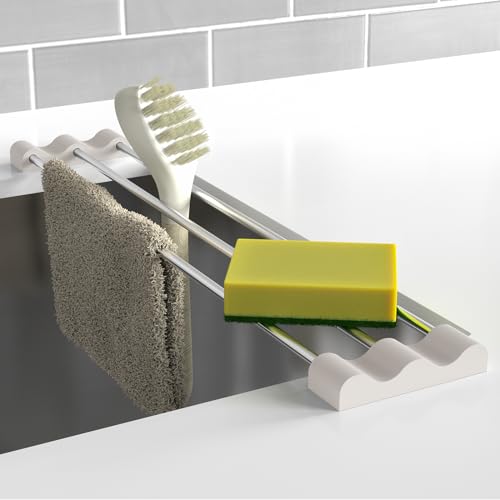
✅【Rack for Kitchen Sink Accessories】This newest 3-bar sink bottle drying rack features three 304 stainless steel rods that can withstand weights up to 16.5 lbs (7.5 kg), approximately 6 times that of the competing products. Dishwasher safe with heat resistance up to 428°F (220°C). It can be extended from 12 inches (30.5 cm) to 21.65 inches (55 cm) to fit most sinks on the market. Please check your sink size before purchasing this dish towel rack.

Easy to install: by installing the rail with heavy suction cup power it only takes one second to install by pressing the suction cups to squeeze the air out and they will stick firmly to the wall. There is no need for tools and it doesn't damage the walls. It can easily be taken down and repositioned multiple times without leaving any residue. Just like a magnetic towel bar, but more versatile as it can be used in many more places.

✅【Rack for Kitchen Sink Accessories】This newest 3-bar sink bottle drying rack features three 304 stainless steel rods that can withstand weights up to 16.5 lbs (7.5 kg), approximately 6 times that of the competing products. Dishwasher safe with heat resistance up to 428°F (220°C). It can be extended from 12 inches (30.5 cm) to 21.65 inches (55 cm) to fit most sinks on the market. Please check your sink size before purchasing this dish towel rack.
Drying Techniques
Proper drying is key for maintaining your dishcloths.
- Wring Out Water: After washing, wring out excess water gently. This prevents mildew formation.
- Air Dry: Lay the dishcloth flat on a drying rack or hang it up. Avoid direct sunlight for extended periods, which can cause fading.
- Clean Cloth Usage: Always use clean dishcloths for drying your dishes, as this avoids spreading bacteria.
Storing Properly
Storage affects the lifespan of your cloths.
- Breathable Container: Store Swedish dishcloths in a breathable container or drawer. This prevents moisture buildup.
- Avoid Clutter: Keep the storage area free of items that could cause wear and tear.
- Rotate Usage: Use different cloths on a rotating basis. This ensures all cloths receive equal wear and prevents overuse of a single one.
Following these tips helps maintain the performance and appearance of your Swedish dishcloths, ensuring they remain a valuable part of your kitchen routine.
Common Mistakes To Avoid
Avoiding common mistakes when cleaning Swedish dishcloths ensures their longevity and effectiveness.
Not Rinsing Thoroughly
Ensure you rinse the dishcloth thoroughly after washing. Residual soap can lead to buildup, reducing absorbency and attracting dirt.
Using Harsh Chemicals
Refrain from using bleach or harsh chemicals. These substances can damage the cellulose fibers, making the cloth less effective. Stick to mild soap for cleaning.
Ignoring Regular Washes
Don’t forget to wash your dishcloths regularly. Allowing them to become overly dirty leads to bacteria buildup and unpleasant odors. Aim to wash them at least once a week.
Overcrowding the Washing Machine
Avoid overcrowding when machine washing. Give dishcloths enough space to move freely for a thorough clean. This practice enhances the wash cycle’s effectiveness.
Skipping Drying
Don’t skip the drying step. Properly drying the cloth prevents mildew growth. Air drying is best, but if you must use a dryer, select a low-heat setting.
Storing in a Damp Area
Refrain from storing dishcloths in damp or enclosed spaces. This environment promotes moisture retention, leading to mildew and odor. Store them in a well-ventilated area.
Not Rotating Usage
Avoid using the same dishcloth repeatedly without rotation. Different cloths can be used for different tasks, preventing the spread of bacteria from one area to another.
By steering clear of these mistakes, you enhance the effectiveness and lifespan of your Swedish dishcloths.
Conclusion
Taking care of your Swedish dishcloths is key to keeping them effective and fresh. By regularly cleaning them and following the best practices outlined, you’re not just maintaining their performance but also contributing to a more sustainable kitchen.
Remember to avoid common mistakes that could shorten their lifespan. With a little effort, your dishcloths can continue to be a reliable and eco-friendly tool in your home. Enjoy the benefits of clean dishcloths and the peace of mind that comes with a hygienic kitchen. Happy cleaning!
Frequently Asked Questions
What are Swedish dishcloths, and why are they popular?
Swedish dishcloths are eco-friendly kitchen items made from cellulose and cotton. They are popular for their high absorbency, versatility, and ability to replace paper towels. Their sustainability appeals to environmentally conscious consumers.
How often should I clean my Swedish dishcloths?
It’s best to clean Swedish dishcloths regularly, ideally after every few uses. This helps to prevent bacteria buildup, odors, and ensures they remain effective in cleaning.
What is the best way to clean Swedish dishcloths?
You can clean Swedish dishcloths by hand washing with mild soap under warm water or machine washing on a gentle cycle. Always air dry them to preserve their texture.
Can I use bleach to clean my Swedish dishcloths?
No, it’s best to avoid bleach and fabric softeners as they can damage the fibers of Swedish dishcloths. Instead, stick to mild detergents for safe cleaning.
How do I properly store my Swedish dishcloths?
Store Swedish dishcloths in a breathable container in a dry area, away from direct sunlight. Ensure the storage space is clutter-free to prevent moisture buildup.
What are common mistakes to avoid when cleaning dishcloths?
Avoid using harsh chemicals, overcrowding the washing machine, skipping the drying step, and storing them in damp areas. Regular cleaning and rotating cloths can also help maintain their effectiveness.
Why is it important to maintain Swedish dishcloths?
Proper maintenance prolongs the lifespan and performance of Swedish dishcloths, minimizes the risk of bacteria growth, and helps maintain a more hygienic kitchen environment.
