
Key Takeaways
- Regular Cleaning is Essential: Clean your Frigidaire ice maker every three to six months to prevent bacteria, mold, and mineral deposits, ensuring better-tasting ice and efficient operation.
- Prepare Properly: Gather necessary supplies like mild dish soap, white vinegar, and soft cloths, and follow safety precautions such as unplugging the appliance and wearing gloves.
- Step-by-Step Cleaning Process: Unplug the unit, remove the ice bin, clean all surfaces with a soap and vinegar solution, and ensure everything is dry before reassembly.
- Establish a Maintenance Routine: Mark a cleaning schedule on your calendar to avoid neglect, and respond immediately to any strange tastes or odors in the ice.
- Troubleshoot Common Issues: Familiarize yourself with basic troubleshooting steps for problems like no ice production, slow ice production, or bad-tasting ice to maintain optimal function.
Do you ever find yourself reaching for ice only to discover your Frigidaire ice maker is clogged or dirty? It’s a frustrating situation that can leave you scrambling for alternatives on a hot day. Keeping your ice maker clean is essential not just for its performance but also for the quality of the ice it produces.
Importance Of Cleaning The Frigidaire Ice Maker
Cleaning the Frigidaire ice maker ensures proper functionality and enhances the quality of your ice. A clean ice maker prevents the buildup of bacteria, mold, and mineral deposits that can contaminate ice. Maintaining cleanliness promotes better-tasting ice, free from any stale or off-putting flavors.
Regular cleaning also extends the lifespan of your appliance. When you neglect maintenance, parts can wear out faster, leading to costly repairs or replacements. A clean unit operates more efficiently, which can reduce energy consumption and lower your utility bills.
Cleaning the ice maker removes clogs and ensures smooth operation. Clogs can cause the ice maker to malfunction, resulting in frustration when you need ice for drinks or meals. Performing routine cleaning reduces the likelihood of breakdowns, keeping the ice flowing freely.
Consider the last time you cleaned yours. If it’s been over six months, grime might have built up, affecting ice production. Follow a consistent cleaning schedule to maintain optimal performance and keep your ice maker in top condition.
Preparing To Clean The Ice Maker
Cleaning the ice maker requires preparation to ensure a smooth process. Follow these steps to gather supplies and prioritize safety.
Recommended Products

Works with all Ice Makers and Machines: Designed for Countertop, Portable, and Commercial Icemaker. Compatible with top brands including Ice-o-matic, Frigidaire, Kitchenaid, Scottsman, Manitowac, Hoshizaki, Silonn, Euhomy, GE Profile 2.0, Whirlpool 4396808, Jenn Air, Uline, Gevi, and more. (Not for Built in Refigerator Ice Makers)
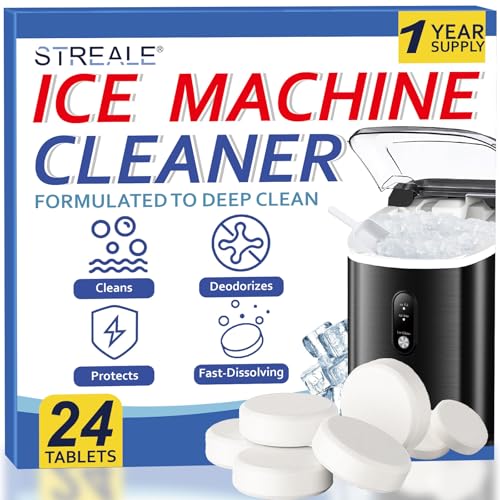
【Works with all Ice Makers and Machines】Designed for countertop, portable, and commercial icemaker. compatible with major brands.(not for built in refigerator ice makers)
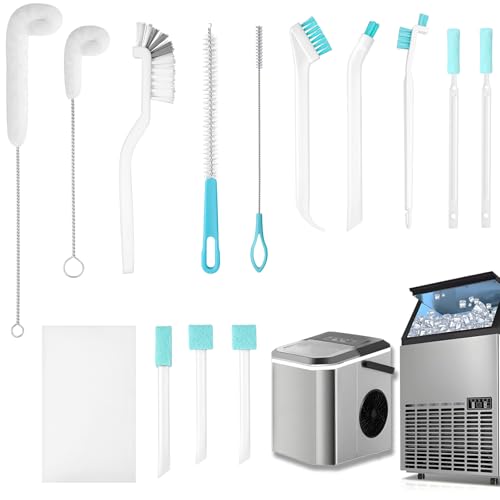
【Complete 14 Piece Set for Every Task】Includes specialized brushes, duct cleaning brushes and crevice brushes for ice makers. No need to buy tools separately, Potanro ice machine cleaner brush sets perfect for tackling narrow gaps, pipes, and hidden corners effortlessly.
Gather Required Supplies
- Mild dish soap: Use a non-abrasive dish soap to prevent damage.
- White vinegar: Effective for removing mineral deposits and disinfecting.
- Soft cloths or sponges: Opt for non-scratch options to avoid scratching surfaces.
- Bucket or large bowl: Collect melted ice and water during cleaning.
- Brush: A soft-bristled brush helps reach tight spots.
- Towels: Use absorbent towels to wipe down surfaces and dry after cleaning.
Safety Precautions
- Unplug the ice maker: Disconnect the appliance from the electrical outlet to prevent accidents.
- Wear gloves: Protect your hands from cleaning agents and sharp ice shards.
- Use goggles: These prevent any cleaning solution from splashing into your eyes.
- Ventilate the area: Open windows or use fans for fresh air when cleaning with vinegar or other solutions.
- Avoid abrasive materials: Stay away from steel wool or harsh chemicals that can damage the unit.
Taking these steps before you start the cleaning process ensures an effective and safe experience.
Step-By-Step Cleaning Process
Cleaning your Frigidaire ice maker ensures that you enjoy fresh, clean ice. Follow these steps to keep your ice maker in top condition.
Recommended Products
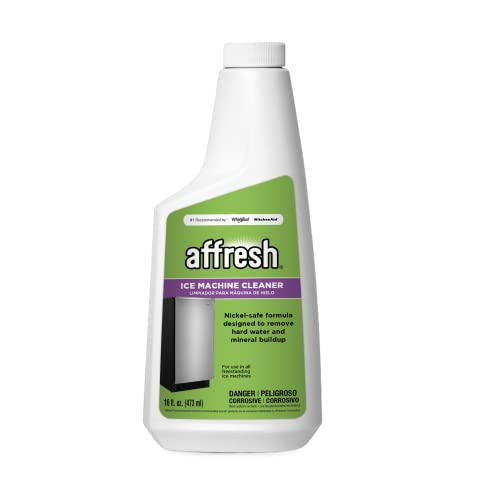
Effective Cleaning: Specially formulated to remove hard water and mineral buildup, ensuring great-tasting ice

8 Uses Values-Size Bottle: Compare to a 4 pack from other brands! With recommended 4oz per cleaning, you're set for a year or more

【Works with all Ice Makers and Machines】Keep your ice machine or ice maker running like new with our cleaner tablets. They are formulated to safely and effectively clean a wide range of popular brands including Ice-o-matic, Frigidaire, KitchenAid, Scottsman, Manitowoc, Hoshizaki, GE Profile, Whirlpool, and more.(Not for Built in Refigerator Ice Makers)
Unplugging The Ice Maker
Unplug the ice maker from the wall outlet. This step prevents any electrical hazards while you clean. Safety comes first, so make sure you won’t accidentally turn it on during the process.
Removing The Ice Bin
Remove the ice bin by lifting it straight up. To maintain efficiency, empty any existing ice and wash the bin with warm, soapy water. Rinse thoroughly to eliminate soap residue. Set the bin aside to dry fully before reinserting it later.
Cleaning The Ice Maker Components
Take a soft cloth or sponge and dip it in a mixture of mild dish soap and warm water. Wipe down the interior surfaces, paying close attention to any buildup. Use a soft-bristled brush to scrub corners or hard-to-reach areas. For stubborn mineral deposits or stains, apply a solution of equal parts white vinegar and water. This natural cleaner helps break down grime without harming the appliance.
After cleaning, use absorbent towels to dry all surfaces. Ensure everything is free of moisture to prevent mold or bacteria from returning. Once everything is dry, you can reassemble the ice maker by putting the ice bin back in place and plugging it back in.
Maintenance Tips For The Ice Maker
Maintaining your Frigidaire ice maker ensures optimal performance and extends its lifespan. Implement these practical tips for consistent care.
Recommended Products

Keep Ice Clear and Tasting Fresh: Ice Maker Cleaner and Descaler is essential to make Crystal Clear Ice. Enjoy the Best Tasting ice cube, nugget, pebble, pellet, bullet, crushed ice, and more at home with a regular descale treatment

Compatible with Various Ice Makers: Specifically designed for ice machines, it won’t damage metal components such as nickel, stainless steel, and aluminum plating. Compatible with popular brands like Frigidaire, Kitchenaid, Ice-o-matic, Scottsman, GE Profile 2.0, Euhomy, Hoshizaki, Manitowac, Silonn, Jenn Air, Uline, Gevi, and more.

Ice machine cleaning solution: Ice machines that have been used for a long time need to be cleaned regularly to maintain health. This ice machine cleaning brushes can solve the problem of ice machine cleaning easily.
Regular Cleaning Schedule
Establish a regular cleaning schedule to promote hygiene and functionality. Clean the ice maker every three to six months to avoid buildup. Mark it on your calendar as a reminder. If you notice any strange tastes or odors in the ice, clean the unit immediately. Regular maintenance prevents mold growth and mineral deposits, ensuring only clean ice emerges.
Troubleshooting Common Issues
Address common ice maker issues with these troubleshooting steps:
- No Ice Production: Check the water supply line. Ensure it’s connected and not frozen. Inspect the thermostat and settings to see if they’re adjusted correctly.
- Slow Ice Production: Clean the ice maker’s air filter, as a clogged filter reduces efficiency. Ensure the ice bin isn’t overfilled, blocking the mechanism.
- Ice Tastes Bad: Clean the ice maker’s surfaces and replace any old ice. Use filtered water to prevent impurities from affecting flavor.
- Strange Noises: Listen for unusual sounds. They can indicate loose components or ice buildup. Inspect and clean the interior to eliminate obstructions.
Following these maintenance tips promotes a reliable and efficient ice maker, producing fresh ice when you need it.
Conclusion
Keeping your Frigidaire ice maker clean is key to enjoying fresh and tasty ice. By sticking to a regular cleaning schedule you’ll prevent unwanted buildup and ensure your ice maker runs smoothly.
Remember to gather your supplies and take the necessary safety precautions before diving into the cleaning process. A little effort goes a long way in maintaining the quality of your ice and extending the life of your appliance.
With these simple steps you can enjoy refreshing ice whenever you need it. So grab those cleaning supplies and get started on making your ice maker shine!
Frequently Asked Questions
How can I tell if my Frigidaire ice maker is clogged or dirty?
A clogged or dirty ice maker may show signs like slow ice production, bad-tasting ice, or odd noises. If you notice these issues, it’s likely time for a thorough cleaning.
How often should I clean my Frigidaire ice maker?
It’s recommended to clean your ice maker every three to six months to ensure optimal performance and prevent the buildup of bacteria, mold, and mineral deposits.
What supplies do I need to clean my ice maker?
You will need mild dish soap, white vinegar, soft cloths or sponges, a bucket or large bowl, a soft-bristled brush, and absorbent towels for effective cleaning.
What are the safety precautions to consider when cleaning the ice maker?
Always unplug the appliance, wear gloves and goggles, ensure proper ventilation, and avoid using abrasive materials to prevent injuries and damage during cleaning.
What is the step-by-step process for cleaning the ice maker?
- Unplug the appliance.
- Remove and empty the ice bin.
- Wash the bin with warm, soapy water.
- Clean the interior with soapy water and a soft brush.
- Use vinegar for stubborn stains, and dry everything thoroughly before reassembling.
How can I maintain my ice maker for better performance?
Establish a regular cleaning schedule, promptly address strange tastes or odors, and troubleshoot common issues like no ice or slow production to maintain your ice maker’s efficiency.
What should I do if my ice maker is producing bad-tasting ice?
If your ice has a strange taste, clean the ice maker thoroughly, check the water supply for contaminants, and ensure timely cleaning and maintenance to prevent recurring issues.
