
Key Takeaways
- Regular Cleaning is Essential: Cleaning your kitchen sink drain at least every 1-2 weeks helps prevent bad odors and clogs, fostering a healthier kitchen.
- Know Common Causes of Clogs: Food particles and grease build-up are two primary culprits of sink clogs, making it vital to manage what goes down the drain.
- Use the Right Tools: Essential tools like baking soda, vinegar, dish soap, and a scrub brush can effectively clean and maintain your kitchen sink drain.
- Establish Preventative Measures: Utilize a sink strainer, run hot water regularly, and avoid sending certain food items down the drain to minimize clogs.
- Immediate Action for Slow Drains: If you notice slow drainage, promptly repeat the cleaning steps to restore proper flow and avoid further issues.
- Inspect Plumbing Regularly: Regularly checking for leaks or damage in your plumbing system helps prevent significant clogs and costly repairs down the line.
Is your kitchen sink drain starting to smell or drain slowly? You’re not alone. Many people face this common problem, and it can quickly turn into a frustrating situation. A clean sink drain not only keeps your kitchen smelling fresh but also helps prevent clogs and costly plumbing issues down the line.
Importance Of Cleaning The Kitchen Sink Drain
Cleaning the kitchen sink drain plays a vital role in maintaining a fresh and functional kitchen. Regular maintenance prevents unpleasant odors from lingering. Foul smells often arise from food debris stuck in the drain, promoting bacteria growth. When you keep the drain clean, you eliminate these odors and maintain a healthier kitchen environment.
Preventing clogs is another crucial aspect. Accumulated grease, food particles, and soap residues can create blockages. By cleaning the drain regularly, you ensure water flows smoothly, reducing the risk of future plumbing issues. A clear drain saves time and money on costly repairs.
Moreover, enhancing your kitchen’s hygiene benefits your overall cooking experience. A clean drain means fewer pests, as insects and rodents are attracted to leftover food. Ensuring a clean environment promotes food safety and keeps unwanted visitors away.
Establishing a cleaning routine reinforces these benefits. Consider cleaning your sink drain weekly or biweekly using simple methods like baking soda and vinegar. This approach not only maintains hygiene but also prolongs the lifespan of your plumbing system.
Common Causes Of Clogs
Clogs often occur in kitchen sink drains due to various factors. Understanding these causes helps prevent and address slow drainage issues effectively.
Food Particles
Food particles contribute significantly to clogs. When you rinse dishes, bits of food escape into the drain. Common offenders include:
- Vegetable scraps: Small pieces can accumulate and create blockages.
- Rice and pasta: These can swell and get caught in the pipes.
- Coffee grounds: Often mistaken for harmless, they clump together and clog drains.
Regularly running hot water or using a strainer can minimize food particle buildup.
Grease Build-Up
Grease build-up is another major cause of clogs. Cooking oils and fats solidify as they cool, forming sticky residues inside pipes. Common sources of grease include:
- Cooking oils: Pouring leftover oil down the drain leads to potential blockages.
- Butter and margarine: These can congeal and stick to pipe walls.
- Meat fats: Leftover grease from meat drippings adds to the problem.
To combat grease build-up, avoid disposing of fats and oils in the sink. Instead, use a container for disposal and run hot water through the sink regularly to keep grease flowing.
Tools And Materials Needed
Cleaning your kitchen sink drain effectively requires a few essential tools and materials. Gathering these items in advance makes the process straightforward and efficient.
Cleaning Solutions
- Baking Soda: Use this versatile powder to absorb odors and break down food particles.
- Vinegar: Pair vinegar with baking soda for a powerful cleaning reaction that helps dislodge gunk.
- Dish Soap: Opt for a grease-cutting dish soap to tackle any stubborn grease buildups.
- Hot Water: This aids in dissolving fats and clearing out debris.
Basic Tools
- Plunger: Keep a plunger handy for emergency blockages that require immediate attention.
- Drain Snake: A drain snake effectively reaches deeper clogs that baking soda and vinegar can’t dislodge.
- Scrub Brush: Use a small scrub brush to clean the rim and underside of the drain for thorough hygiene.
- Gloves: Protect your hands with gloves while cleaning to avoid contact with germs and harsh chemicals.
Step-By-Step Guide On How To Clean The Kitchen Sink Drain
Cleaning your kitchen sink drain is essential for maintaining a fresh and functional kitchen. Follow these steps for effective cleaning.
Preparing The Area
- Gather Supplies: Collect baking soda, vinegar, dish soap, hot water, a plunger, a drain snake, gloves, and a scrub brush.
- Clear the Sink: Remove any dishes and food debris from your sink to create a clean workspace. It ensures you access the drain easily.
- Protect Surrounding Areas: Place a towel or sponge around the sink area to catch any spills. This step saves time during cleanup.
Cleaning The Drain
- Start with a Boil: Boil water and pour it down the drain first to loosen any grease or food particles. Hot water dissolves buildup effectively.
- Add Baking Soda: Pour about 1 cup of baking soda into the drain. Baking soda acts as a natural cleanser and deodorizer.
- Follow with Vinegar: Pour 1 cup of vinegar down the drain after the baking soda. The reaction between baking soda and vinegar creates bubbles that help clear clogs.
- Wait and Flush: Allow the mixture to work for 15-30 minutes, then flush the drain again with hot water. This step cleans out residue and leaves your drain fresh.
- Use a Scrub Brush: Use a scrub brush to clean around the drain opening. This action removes any lingering debris and odors.
Final Rinse And Maintenance Tips
- Rinse Thoroughly: Run hot water for a few minutes after scrubbing to ensure all cleaning agents wash away.
- Prevent Future Clogs: Avoid putting food particles, grease, and coffee grounds down the drain. Use a strainer to catch debris.
- Establish a Routine: Clean your sink drain every 1-2 weeks using the baking soda and vinegar method. Regular maintenance keeps clogs at bay.
- Check for Slow Drainage: If you notice a slow drain, repeat the cleaning steps to restore proper flow. Regular checks maintain optimal performance.
By following these steps, you can keep your kitchen sink drain clean, fresh, and free of clogs.
Preventative Measures For Future Clogs
Maintaining your kitchen sink drain keeps clogs at bay and promotes a clean environment. Follow these preventative measures to ensure smooth water flow.
Recommended Products
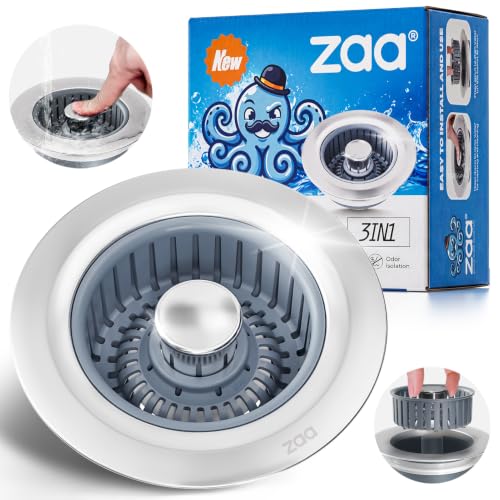
【Upgraded 3 in 1 Kitchen Sink Drain Strainer】Our kitchen sink strainer, combines sink drain strainer, kitchen sink stopper and odor isolation together. Press down the pop up button to store water for washing, press again to drain water while catching food waste or scrap from going down the drain. A reliable anti clogging helper and a must have kitchen sink installation parts

[Upgraded Brass Material] Sink stopper kitchen drain, is consists of Brass, electroplating body and ABS material plastic sink strainer basket, which is more durable.(Comes with an additional ABS plastic anti-clogging strainer basket.)
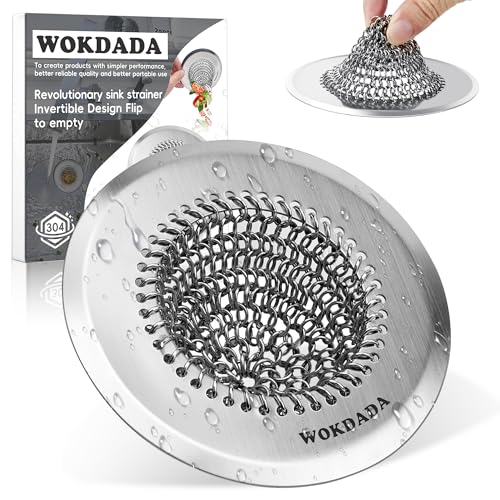
【Inverts for Easy Clean】Flexible "chainmail pocket" can be turned "inside-out". This stainless steel chain mesh allows you to flip over and pour out the collected residue, making it easy to clean without getting your hands dirty. Besides, You can put it in the dishwasher to clean it. Dishwasher safe will save you cleaning and maintenance time
Use a Sink Strainer
Using a sink strainer captures food particles and prevents them from slipping down the drain. Clean the strainer regularly to maintain its effectiveness.
Run Hot Water
Running hot water after each use flushes the drain, helping to dissolve grease and food debris. Do this for at least 30 seconds to clear out potential build-up.
Avoid Certain Foods
Certain foods like rice, pasta, and coffee grounds easily create clogs. Dispose of these items in the trash instead of the sink to minimize risk.
Store Grease Properly
Store cooking oils and fats in a container rather than pouring them down the drain. This avoids solidification and stickiness that lead to blockages.
Schedule Regular Cleanings
Incorporate cleaning solutions like baking soda and vinegar into your routine. Performing this every two weeks helps keep your drain clean and clear.
Inspect for Damage
Regularly inspect your plumbing for leaks or damage. Address any issues immediately to prevent potential clogs and more significant plumbing problems.
By following these steps, you can maintain a clean kitchen sink drain and prevent future clogs effectively.
Conclusion
Keeping your kitchen sink drain clean doesn’t have to be a chore. With just a little effort and a regular cleaning routine you can enjoy a fresh-smelling kitchen and prevent annoying clogs. Remember to use simple ingredients like baking soda and vinegar to tackle buildup and maintain smooth water flow.
By being mindful of what goes down your drain and implementing some easy preventative measures you’ll not only enhance your kitchen’s hygiene but also prolong the life of your plumbing system. So grab those supplies and make drain cleaning a part of your kitchen upkeep. Your sink will thank you!
Frequently Asked Questions
What causes a smelly kitchen sink drain?
A smelly kitchen sink drain is often caused by food debris, grease buildup, and bacteria growth. Food particles can decompose and create foul odors, while grease can solidify and trap waste, contributing to bad smells.
How can I clean my kitchen sink drain naturally?
You can clean your kitchen sink drain naturally using a mixture of baking soda and vinegar. Pour half a cup of baking soda down the drain, followed by half a cup of vinegar. Let it sit for 15-30 minutes, then flush with hot water.
How often should I clean my kitchen sink drain?
It’s recommended to clean your kitchen sink drain at least every two weeks to prevent odors and clogs. Establishing a regular cleaning routine helps maintain cleanliness and prolongs the life of your plumbing system.
What are some tips to prevent kitchen sink clogs?
To prevent kitchen sink clogs, avoid disposing of grease, cooking oils, and starchy foods like rice and pasta down the drain. Use a sink strainer to catch food particles, and run hot water regularly to keep the drain clear.
What tools do I need to clean my kitchen sink drain?
Essential tools for cleaning your kitchen sink drain include a plunger, drain snake, scrub brush, and gloves for protection. Additionally, household items like baking soda, vinegar, and grease-cutting dish soap are helpful for effective cleaning.
