
Key Takeaways
- Importance of Cleaning: Regularly cleaning your refrigerator water line is essential for maintaining safe, tasty drinking water and ice, preventing mineral buildup and harmful bacteria growth.
- Health Benefits: A clean water line reduces the risk of bacteria, promoting a healthier home environment for you and your family.
- Enhanced Flavor: Cleaning eliminates unpleasant metallic or plastic tastes, allowing the natural freshness of water to shine through.
- Preventive Maintenance: Regular cleaning helps avoid costly repairs by preventing clogs and ensuring proper water flow within your refrigerator.
- Simple Process: The cleaning process is straightforward and requires only basic tools and cleaning solutions like white vinegar and baking soda.
- Set a Schedule: Aim to clean your water line at least every six months, or more frequently if you notice strange tastes or water flow issues.
Have you ever noticed a strange taste in your ice or water? It could be time to clean your refrigerator’s water line. Over time, mineral buildup and bacteria can accumulate, affecting the quality of your drinking water and ice.
Understanding the Importance of Cleaning Your Refrigerator Water Line
Cleaning your refrigerator water line is crucial for maintaining the quality of your drinking water and ice. Regular maintenance prevents mineral buildup and bacteria growth that can affect taste and safety. Contaminants can lead to unpleasant flavors in ice or water, making hydration less enjoyable.
Health Benefits
Cleaning the water line reduces the risk of harmful bacteria entering your drinking supply. Bacteria thrive in damp environments, and a neglected water line can become a breeding ground. By keeping it clean, you promote a healthier household.
Improved Water Taste
A clean water line enhances the flavor of ice and drinks. Mineral deposits often create a metallic or plastic taste that can be unappealing. Regular cleaning eliminates these deposits, allowing water’s natural freshness to shine through.
Preventing Damage
Neglecting the water line can lead to costly repairs. Mineral buildup can block the flow of water, stressing your refrigerator’s components. Cleaning the line helps prevent clogs and maintains proper water flow.
Easy Maintenance
Cleaning your refrigerator’s water line is straightforward. With a few simple tools and steps, you can ensure your water remains clean and refreshing. Timely maintenance promotes long-lasting performance and can extend the life of your appliance.
Frequency of Cleaning
Aim to clean your refrigerator water line at least every six months. If your water has a strange taste or if you’ve experienced water flow issues, it’s wise to perform cleaning more often. Regular checks can prevent bigger problems down the line.
By understanding the importance of cleaning your refrigerator water line, you ensure that your family enjoys safe, delicious water and ice every day.
Tools and Materials Needed
Cleaning the refrigerator water line requires specific tools and materials. Gathering these items ahead of time simplifies the process.
Recommended Products

Essential Refrigerator Maintenance Kit: the package comes with 1 set of refrigerator water line kit that includes 1 pcs 3.4 oz/ 100 ml syringe, 1 pcs 59 inches tube, 1 stainless steel drain hole cleaning brush; It provides a comprehensive solution to maintain and troubleshoot refrigerator issues like frozen water lines and clogged drains quickly in many types of refrigerators

Refrigerator Water Line Cleaner Kit: Refrigerator drain cleaning tool not only is it used for fridge water line cleaner, be used for water dispenser cleaner, aquariums, filtration systems, long tube brush cleaner hose/glass tubes clog, and even complex drain hole cleaner with ease.

Complete Cleaning Kit: all in one solution for fridge drain clogging, including 1 piece 0.41 oz/ 12 ml syringe, 1 piece 36 inch tube, and 1 stainless steel drain hole cleaning brush; One purchase covers your refrigerator drain cleaning needs, saving time and money on expensive service fees
Recommended Cleaning Solutions
- White Vinegar: Acts as a natural disinfectant and effectively removes mineral buildup.
- Baking Soda: Helps to neutralize odors and cleanse surfaces.
- Commercial Cleaning Solutions: Look for products designed specifically for refrigerator water lines. Read instructions for best results.
Necessary Tools for the Job
- Bucket: Collects wastewater during cleaning.
- Sponge or Cloth: Ideal for scrubbing surfaces and wiping down areas.
- Brush: A small, flexible brush can reach narrow areas.
- Wrench: Useful for loosening and tightening fittings on the water line.
- Gloves: Protect your hands from cleaning solutions and grime.
- Towels: Handy for drying up spills.
Having these tools and materials ready makes the task easier and more efficient.
Step-by-Step Guide to Clean the Refrigerator Water Line
Cleaning your refrigerator’s water line ensures fresh and safe water for your family. Follow these steps for effective maintenance.
Recommended Products
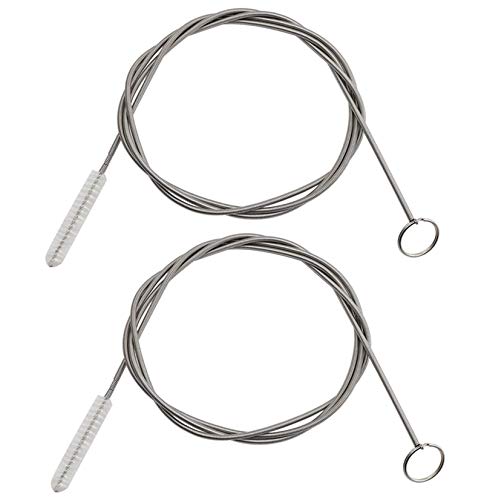
This tube cleaner brush is made from stainless steel and nylon bristles head,which can softly scrub away buildup and avoid destroying the tubing.

Extra Long Size: Total length is 40 inches, 4PCS, 2 sizes, pack1: ID:1/2inch, fit for ID: 1/2, 3/8, 5/8 inch hose; pack2: ID:1/4inch, fit for ID: 3/16, 5/16 inch hose.
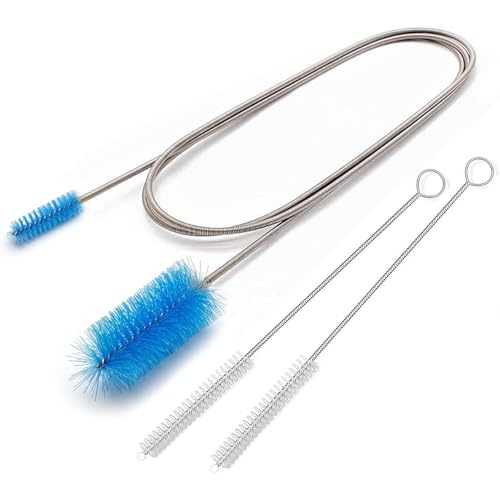
🚫UNCLOG NARROW TUBES INSTANTLY: Tired of water pooling in your fridge or grime clogging your aquarium filters? This 67-inch (170cm) extra-long flexible drain brush is the ultimate problem-solver. It easily snakes through deep, narrow, and curved tubing to effortlessly remove gunky buildup, dirt, and residue.
Preparing the Refrigerator
- Turn Off the Water Supply: Locate the shut-off valve, usually behind or below the refrigerator. Turn it clockwise to stop the flow of water.
- Unplug the Refrigerator: For safety, unplug the appliance before starting the cleaning process.
- Prepare Your Space: Move any items that could obstruct your work area. Lay down towels to catch spills, and place a bucket underneath the water line connection.
Cleaning the Water Line
- Disconnect the Water Line: Use a wrench to carefully loosen the fittings that secure the water line to the refrigerator. Be cautious of any residual water.
- Use Cleaning Solutions: Mix equal parts of white vinegar and water in a bucket. You may also use a commercial cleaner specifically designed for water lines.
- Clean the Inside of the Line: Insert a small brush into the water line and scrub gently to remove buildup. For a more thorough clean, pour the vinegar mixture through the line and let it sit for 10-15 minutes before rinsing.
- Rinse the Line: After cleaning, reconnect the line, then turn on the water supply briefly to flush out any remaining residue.
Flushing the System
- Refill Your Ice Maker: Once water flow is restored, allow the system to refill the ice maker. Discard the first batch of ice to avoid any lingering taste from cleaning solutions.
- Check for Leaks: Inspect all connections for leaks while the water supply is on. Tighten any fittings as necessary.
- Run the Water Dispenser: Dispense water for a couple of minutes to ensure the system is fully flushed and clear of any cleaning solution.
By following these steps, you maintain a clean refrigerator water line, ensuring the freshness of your ice and drinking water. Regular cleaning also prevents mineral buildup and the growth of harmful bacteria.
Tips for Maintaining a Clean Water Line
Maintaining a clean water line is crucial for ensuring safe drinking water and ice. Here are some practical tips to keep your refrigerator’s water line in top shape:
Recommended Products

Professional Refrigerator Drain Line Cleaning Kit:This comprehensive kit includes 10 essential tools,1pcs 55.6-inch flexible drain brush,1 syringe with 1 white tube,1 sponge,1 ice scraper,1 crevice cleaning brush,1 microfiber cloth,and 3 drain hole plugs.All tools work together to deeply clean refrigerator drain holes, pipes, and hard-to-reach areas, solving issues like water accumulation, ice buildup, and odors—no need to disassemble your fridge.
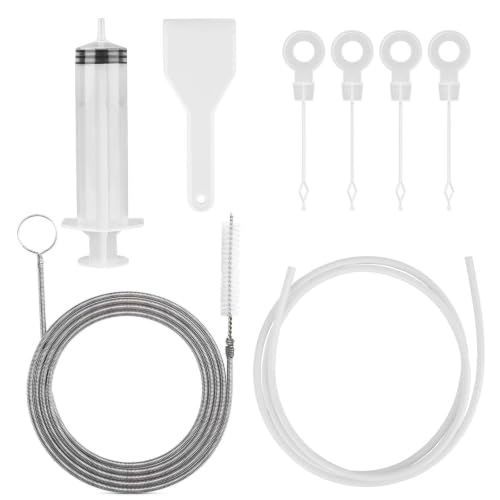
Fridge Drain Clog Cleaning Tool Kit: The refrigerator drain cleaning tool is suitable for not only is it used for fridge water line cleaner, fridge drain hole cleaning tool also can be used for car sunroofs drain holes, car door drain holes, kitchen sink holes, air conditioning drain holes, fish tank oxygen pipes, etc. clean narrow pipes that are hard to touch
Regular Cleaning Schedule
- Clean the water line every six months. Consider more frequent cleanings if you notice changes in taste or smell.
- Mark your calendar. Use reminders to ensure you don’t forget your maintenance schedule.
Use the Right Solutions
- Opt for white vinegar. It effectively eliminates bacteria and mineral buildup.
- Consider using commercial cleaning solutions specifically designed for refrigerator water lines. These can provide thorough cleaning with minimal effort.
Check for Contaminants
- Inspect your water supply regularly. Ensure that there are no visible contaminants entering the refrigerator.
- Monitor for unusual tastes in water or ice. This can signal contamination in the water line.
Replace Filters as Needed
- Change your water filter every six months or according to the manufacturer’s recommendation. This ensures optimal water quality.
- Keep extra filters on hand. This makes it easy to replace them when needed.
Keep Connections Tight
- Check the water line connections for leaks periodically. Tightening loose connections can prevent mineral buildup.
- Inspect the hoses for any signs of wear or damage. Replace them if you notice any issues.
Maintain Proper Temperature
- Set your refrigerator temperature to 37°F. This helps in keeping your water and ice fresh.
- Ensure optimal freezing temperature in the ice maker to avoid freezer burn.
By following these tips, you can enjoy fresh ice and drinking water while prolonging the life of your refrigerator water line. Regular maintenance minimizes risks and enhances taste, ensuring your family stays healthy.
Conclusion
Keeping your refrigerator water line clean is essential for enjoying fresh and safe drinking water and ice. By following the simple steps outlined in this guide you can easily maintain the quality of your water. Regular cleaning not only enhances taste but also helps prevent costly repairs down the line.
Remember to gather your tools and establish a cleaning schedule that works for you. With just a little effort every six months you can ensure your family enjoys the best possible water. So go ahead and make this maintenance a part of your routine and enjoy the peace of mind that comes with it.
Frequently Asked Questions
What causes a strange taste in ice or water?
A strange taste in ice or water is often due to mineral buildup and bacteria in the refrigerator’s water line. This can impact both flavor and safety, making it essential to regularly clean the water line.
How often should I clean my refrigerator water line?
It is recommended to clean the refrigerator water line at least every six months. If you notice any unusual tastes or odors, clean it more frequently to ensure water quality.
What tools do I need to clean the water line?
To clean the refrigerator water line, you will need white vinegar, baking soda, a commercial cleaning solution, a bucket, a sponge or cloth, a small brush, a wrench, gloves, and towels. Having these items ready makes the task easier.
How do I clean the refrigerator water line?
Start by turning off the water supply and unplugging the refrigerator. Disconnect the water line, then scrub it with a vinegar-water solution, rinse thoroughly, flush the system, refill the ice maker, check for leaks, and run the water dispenser.
What are the benefits of maintaining a clean water line?
Regular cleaning of the water line enhances the flavor of ice and drinking water, prevents harmful bacteria growth, avoids costly repairs from mineral buildup, and ensures the safety of your family’s water supply.
How can I prevent contaminants in my refrigerator water line?
To prevent contaminants, establish a regular cleaning schedule, use effective cleaning solutions like vinegar, replace water filters every six months, ensure tight connections to prevent leaks, and maintain the appropriate refrigerator temperature.
