
Key Takeaways
- Understanding Grease Buildup: Recognize common causes of greasy cabinets, including cooking vapors, infrequent cleaning, and humidity, to effectively address the issue.
- Regular Cleaning Importance: Maintain cabinets to prevent staining, promote hygiene, extend their lifespan, and improve indoor air quality through consistent cleaning.
- Preparation is Key: Gather essential tools, including a degreasing cleaner, microfiber cloths, and a scrubbing brush, for an efficient cleaning process.
- Effective Cleaning Methods: Utilize homemade solutions like vinegar and baking soda or store-bought degreasers to tackle stubborn grease effectively.
- Step-by-Step Approach: Follow a systematic cleaning guide that includes removing cabinet doors, applying cleaners, and dealing with tough stains for optimal results.
- Maintenance Tips: Set regular cleaning routines and implement preventative measures, such as using splatter guards and installing a range hood, to keep cabinets grease-free.
Do your kitchen cabinets look like they’ve seen better days? If you’ve been cooking up a storm, those once-pristine surfaces might be coated in grease and grime. It’s a common issue that can turn your kitchen from a welcoming space into a sticky mess.
Understanding Grease Buildup
Grease buildup on kitchen cabinets occurs over time, especially in high-usage areas. Knowing the causes helps you tackle the problem more effectively.
Common Causes of Greasy Cabinets
- Cooking Vapors: Steam and smoke from cooking can carry grease particles that settle on surfaces.
- Infrequent Cleaning: Neglecting regular cleanings allows grease to accumulate, making it harder to remove later.
- Food Preparation: Cutting, frying, and mixing foods releases oils that can splatter and cling to surfaces.
- Using Improper Cleaning Products: Some products may not effectively cut through grease, leaving residues.
- Humidity: High humidity levels can exacerbate grease problems by mixing with moisture in the air.
Importance of Regular Cleaning
Regular cleaning of your kitchen cabinets prevents grease buildup and maintains a fresh appearance.
- Prevents Staining: Clean cabinets resist staining, maintaining their aesthetic appeal.
- Promotes Hygiene: Regular removal of grease and food particles reduces bacteria growth, keeping your kitchen safe.
- Extends Lifespan: Consistent care prolongs the life of your cabinets, saving money on replacements.
- Improves Air Quality: A clean kitchen contributes to better indoor air quality by minimizing unpleasant odors.
Establish a routine for cleaning to keep your kitchen looking its best and functioning safely.
Preparing for the Cleaning Process
You’ll want to gather everything you need before starting the cleaning process. This preparation makes the task smoother and more efficient.
Essential Tools and Supplies
- Cleaning Solution: Use a degreasing cleaner or a mix of vinegar and water. Both options cut through grease effectively.
- Microfiber Cloths: Choose these for their absorbency and non-abrasive nature. They help lift grease without damaging surfaces.
- Scrubbing Brush: Get a soft-bristled brush for tough spots. It allows for gentle scrubbing without scratching the cabinet finish.
- Bucket: Use a bucket to mix your cleaning solution and hold dirty cloths.
- Rubber Gloves: Wear gloves to protect your hands from harsh chemicals.
- Spray Bottle: A spray bottle makes it easy to apply your cleaning solution evenly.
Safety Precautions
- Ventilation: Ensure the kitchen has good airflow. Open windows or turn on exhaust fans to disperse fumes from cleaners.
- Avoid Mixing Cleaners: Mixing different cleaning products can create dangerous fumes. Stick to one cleaner at a time.
- Test Surfaces: Test any cleaner on a small, hidden area first. This prevents damage to finishes or colors on your cabinets.
- Keep Children and Pets Away: Ensure little ones and pets stay clear of the cleaning area during the process. This avoids accidents from slips or spills.
- Wear Appropriate Clothing: Use old clothes or an apron. This protects your clothing from stains or accidents.
Effective Cleaning Methods
Cleaning greasy kitchen cabinets can restore their shine and improve your kitchen’s appearance. Here are effective ways to tackle this common issue.
Homemade Cleaning Solutions
- Vinegar and Water: Mix equal parts of vinegar and water in a spray bottle. Spray on greasy areas, let it sit for a few minutes, then wipe with a microfiber cloth. Vinegar cuts through grease effectively.
- Baking Soda Paste: Combine baking soda with water to form a paste. Apply the paste to greasy spots and gently scrub with a soft-bristled brush. Rinse with a damp cloth afterward. Baking soda’s abrasiveness helps lift tough grime.
- Castile Soap: Use a few drops of Castile soap mixed with warm water in a bucket. Dip a cloth into the solution, wring it out, and wipe down the cabinets. This natural soap breaks down grease and grime.
- Lemon Juice: Mix lemon juice with water for a fragrant cleaning solution. Spray it on greasy areas and wipe clean. The acidity in lemon juice helps break down grease while leaving a fresh scent.
Store-Bought Products
- Degreasing Cleaner: Look for a label that specifies “degreaser.” Spray it on the greasy areas, let it sit as directed, then wipe away with a cloth. These cleaners are designed for heavy-duty grease removal.
- Multi-Surface Cleaner: Select a multi-surface cleaner suitable for kitchen use. Apply it directly to the cabinets, wait a moment, then wipe clean. This option is convenient for general maintenance and light grease.
- Disinfecting Wipes: Use disinfecting wipes for quick clean-ups. Wipe the surface of the cabinets, focusing on greasy spots. These wipes provide an easy solution for maintaining cleanliness between deeper cleans.
- Microfiber Cloths: Invest in high-quality microfiber cloths. They trap grease and dirt effectively without scratching surfaces. Use them with either homemade solutions or store-bought cleaners for the best results.
With these methods, you can handle greasy kitchen cabinets efficiently and keep your space looking its best.
Step-by-Step Cleaning Guide
Cleaning greasy kitchen cabinets involves a systematic approach. Follow these steps for effective results.
Recommended Products

CABINET & FURNITURE CLEANER: Removes dirt, grime & grease buildup
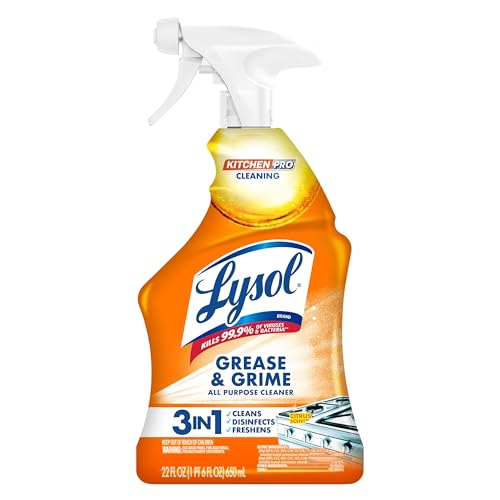
ELIMINATES 99.9% OF KITCHEN VIRUSES AND BACTERIA INCLUDNG SALMONELLA AND E.COLI: Lysol Pro Kitchen Cleaner is tested and proven to eliminate 99.9% of viruses and bacteria* (when used as directed). EPA Reg #777-91.

EWG VERIFIED: This kitchen cleaner spray is formulated with clean ingredients and certified by the Environmental Working Group to meet their strict health and safety standards. Free from concerning substances like ammonia, SLS, and SLES.
Removing Cabinet Doors
- Prepare Your Area: Clear the surrounding space to avoid accidents.
- Gather Tools: Use a screwdriver to remove hinges, placing screws in a small container to prevent loss.
- Label Doors: Stick a label on the inside of each door, indicating where it belongs. This makes reassembly easier.
- Lay Doors Flat: Place doors on a flat surface, covered with a clean tarp or old towels to protect against scratches.
Cleaning Cabinet Surfaces
- Choose Your Cleaner: Use a degreasing cleaner or a mixture of equal parts vinegar and water in a spray bottle.
- Apply Cleaner: Spray the solution generously on the cabinet surfaces. Let it sit for a few minutes to break down grease.
- Wipe Down: Use a microfiber cloth to wipe surfaces in a circular motion. Start from the top and work your way down to avoid drips.
- Rinse Cloth Regularly: Rinse the cloth often to remove grease and prevent spreading dirt. Switch to a clean cloth if necessary.
Dealing with Stubborn Stains
- Make a Paste: Combine baking soda with a small amount of water to create a thick paste. This acts as a gentle abrasive.
- Apply the Paste: Spread the paste over stubborn stains. Let it sit for five to ten minutes.
- Scrub Gently: Use a soft-bristled scrubbing brush to work at the stain. Avoid using steel wool or harsh abrasives, as they can scratch surfaces.
- Wipe Clean: After scrubbing, wipe the area with a damp cloth to remove residue. Repeat as needed until the stain disappears.
Following these steps keeps your kitchen cabinets looking fresh and clean, enhancing the overall appearance of your kitchen.
Maintenance Tips for Grease-Free Cabinets
Keeping kitchen cabinets grease-free requires consistent effort and simple practices. These tips help maintain cleanliness and prevent buildup.
Regular Cleaning Routines
Set a weekly cleaning schedule to wipe down cabinets. Use a damp microfiber cloth to remove dust and grease. Focus on areas near the stove where grease collects the most. For deep cleaning, do this every month. If you spill food or cooking oil, clean it immediately. Quick action prevents stains from setting in.
Preventative Measures
Implement preventative measures to minimize grease accumulation. Install a range hood above the stove to capture cooking vapors. Use splatter guards while frying or sautéing to limit mess. Choose cabinet finishes that resist stains, such as semi-gloss or satin. Consider placing a decorative cloth or mat under frequently used appliances to catch drips. Regular maintenance and these simple adjustments result in cleaner cabinets.
Conclusion
Keeping your kitchen cabinets clean doesn’t have to be a daunting task. With a little routine maintenance and the right tools you can easily tackle grease and grime. Remember to stay consistent with your cleaning schedule and make use of the tips provided to prevent buildup.
By taking proactive steps like using proper cleaning solutions and addressing spills immediately you’ll not only enhance the look of your kitchen but also extend the life of your cabinets. So roll up your sleeves and enjoy the process of transforming your kitchen into a fresh and inviting space. You’ve got this!
Frequently Asked Questions
What causes grease buildup on kitchen cabinets?
Grease buildup on kitchen cabinets is primarily caused by cooking vapors, infrequent cleaning, food preparation, using improper cleaning products, and high humidity levels. Regular exposure to heat and moisture during cooking can lead to a sticky residue that clings to surfaces.
How can I clean greasy kitchen cabinets?
To clean greasy kitchen cabinets, use a degreasing cleaner or a mix of vinegar and water. Apply your chosen solution with a microfiber cloth or soft-bristled brush, ensuring you scrub gently to avoid damage. For tough stains, a baking soda paste can be effective.
What tools do I need to clean kitchen cabinets?
Essential tools for cleaning kitchen cabinets include a degreasing cleaner or vinegar-water mix, microfiber cloths, a soft-bristled scrub brush, a bucket, rubber gloves, and a spray bottle. These supplies help ensure a thorough and safe cleaning process.
How often should I clean my kitchen cabinets?
It’s recommended to establish a weekly cleaning schedule to wipe down kitchen cabinets, especially around cooking areas. Deep cleaning every month and immediately cleaning up spills can help maintain their appearance and prevent grease buildup.
What safety precautions should I take when cleaning cabinets?
Ensure good ventilation when cleaning and avoid mixing different cleaning products. Test surfaces with your cleaner first to prevent damage, keep children and pets away from the cleaning area, and wear appropriate clothing to protect against stains.
Are homemade cleaning solutions effective for greasy cabinets?
Yes, homemade cleaning solutions like vinegar-water mixes, baking soda paste, and lemon juice can be very effective in tackling grease on cabinets. They are safe, cost-effective, and often just as powerful as store-bought cleaners.
How can I maintain grease-free kitchen cabinets?
To maintain grease-free kitchen cabinets, implement a consistent cleaning routine, focus on high-traffic areas, and clean up spills immediately. Installing a range hood, using splatter guards, and selecting stain-resistant finishes can also help in keeping cabinets clean for longer.
