
Key Takeaways
- Importance of Cleaning: Regularly cleaning your fridge’s water line improves water quality, extends the appliance’s life, and enhances overall health by reducing bacteria growth.
- Necessary Materials: Gather essential cleaning supplies like white vinegar, baking soda, dish soap, soft cloths, and brushes to effectively clean the water line.
- Step-by-Step Process: Follow a clear cleaning procedure that includes detaching the water line, flushing it with a cleaning solution, and rinsing thoroughly to ensure all contaminants are removed.
- Routine Maintenance: Schedule cleaning every three to six months and inspect your water filter and connections regularly to prevent buildup and maintain optimal water quality.
- Monitor Water Quality: Stay alert for any changes in taste or odor and consider using a water testing kit to ensure the water remains pure and safe for consumption.
- Optimal Temperature Settings: Maintain your fridge temperature between 37°F and 40°F to inhibit bacterial growth and ensure high-quality water and ice production.
Have you ever noticed a strange taste or odor in your fridge water? It’s a common issue that can catch you off guard, but the good news is that cleaning your water line is a simple task. A clean water line not only improves the taste of your water but also helps keep your fridge running smoothly.
Importance Of Cleaning Water Line In Fridge
Cleaning the water line in your fridge is vital for several reasons.
Improved Water Quality
Regular maintenance prevents impurities from building up. Contaminants like sediment and mold can affect the water’s taste and clarity. Clean water enhances hydration and makes drinks more enjoyable.
Extended Appliance Life
A clean water line contributes to the overall efficiency of your refrigerator. When you remove clogs or buildup, the appliance works more effectively, potentially extending its lifespan. Efficient operation also results in energy savings.
Health Benefits
Maintaining a clean water line reduces the risk of bacteria growth. Contaminated water can lead to health issues your family wants to avoid. Routine cleaning protects you and your loved ones from unwanted toxins.
Better Ice Production
For refrigerators with ice makers, clean water lines generate better quality ice. Contaminated lines can lead to cloudiness and odd tastes in your ice. Regularly cleaning ensures clear and tasteless ice.
Regularly addressing these points guarantees a more pleasant experience with your refrigerator.
Materials Needed For Cleaning
Gathering the right materials makes cleaning the fridge water line efficient. Below are the key items you’ll need.
Recommended Products

Refrigerator Water Line Cleaner Kit: Refrigerator drain cleaning tool not only is it used for fridge water line cleaner, be used for water dispenser cleaner, aquariums, filtration systems, long tube brush cleaner hose/glass tubes clog, and even complex drain hole cleaner with ease.

Essential Refrigerator Maintenance Kit: the package comes with 1 set of frozen water line tool for refrigerator that includes 1 pcs 3.4 oz/ 100 ml syringe, 1 pcs 59 inches tube, 1 stainless steel drain hole cleaning brush; It provides a comprehensive solution to maintain and troubleshoot refrigerator issues like frozen water lines and clogged drains quickly in many types of refrigerators

Complete Cleaning Kit: all in one solution for fridge drain clogging, including 1 piece 0.41 oz/ 12 ml syringe, 1 piece 36 inch tube, and 1 stainless steel drain hole cleaning brush; One purchase covers your refrigerator drain cleaning needs, saving time and money on expensive service fees
Cleaning Solutions
- White Vinegar: Acts as a natural disinfectant, removing mold and mineral buildup.
- Baking Soda: Helps to neutralize odors and works as a gentle abrasive cleaner.
- Dish Soap: Use a few drops for a soapy solution to loosen dirt and grime.
- Hydrogen Peroxide: Effective for killing bacteria and providing a thorough clean.
Tools Required
- Soft Cloths: Use microfiber cloths to avoid scratching surfaces while cleaning.
- Sponge: Ideal for scrubbing areas that require more attention.
- Bowl or Bucket: For mixing your cleaning solutions.
- Funnel: Makes pouring easy when adding solutions to the water line.
- Brush: A small, flexible brush can reach inside the water line for deep cleaning.
- Gloves: Protect your hands from chemicals and dirt during the cleaning process.
Having these materials on hand ensures a straightforward cleaning experience, allowing you to tackle any contaminants in your fridge’s water line effectively.
Step-By-Step Guide On How To Clean Water Line In Fridge
Cleaning the water line in your fridge ensures fresh-tasting water and high-quality ice. Follow these steps for an effective cleaning process.
Recommended Products
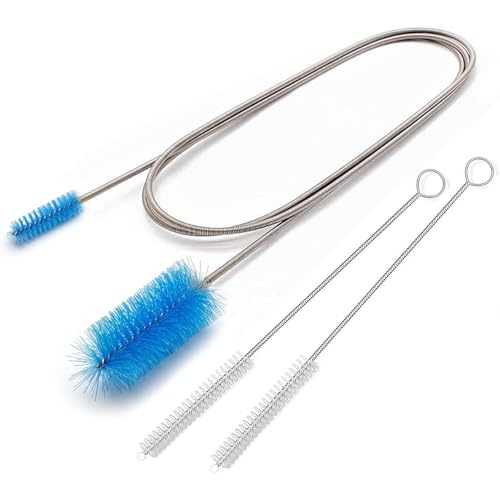
🚫UNCLOG NARROW TUBES INSTANTLY: Tired of water pooling in your fridge or grime clogging your aquarium filters? This 67-inch (170cm) extra-long flexible drain brush is the ultimate problem-solver. It easily snakes through deep, narrow, and curved tubing to effortlessly remove gunky buildup, dirt, and residue.

Professional Refrigerator Drain Line Cleaning Kit:This comprehensive kit includes 10 essential tools,1pcs 55.6-inch flexible drain brush,1 syringe with 1 white tube,1 sponge,1 ice scraper,1 crevice cleaning brush,1 microfiber cloth,and 3 drain hole plugs.All tools work together to deeply clean refrigerator drain holes, pipes, and hard-to-reach areas, solving issues like water accumulation, ice buildup, and odors—no need to disassemble your fridge.

Extra Long Size: Total length is 40 inches, 4PCS, 2 sizes, pack1: ID:1/2inch, fit for ID: 1/2, 3/8, 5/8 inch hose; pack2: ID:1/4inch, fit for ID: 3/16, 5/16 inch hose.
Preparing The Fridge
- Gather Materials: Collect cleaning agents like white vinegar, baking soda, and gloves. Also, have soft cloths, sponges, a bowl or bucket, a funnel, and a brush on hand.
- Turn Off the Fridge: Unplug the refrigerator or turn off the water supply to avoid any leaks or spills during cleaning.
- Empty the Contents: Remove all items from the fridge door, especially if you store water filters or dispensers there. This provides space for easy access to the water line.
Cleaning The Water Line
- Detach the Water Line: Locate the water line connected to your fridge and carefully disconnect it. Use a towel to catch any excess water that may spill.
- Flush the Line: Mix a solution of equal parts water and white vinegar or a gentle dish soap solution. Pour it into a bowl or bucket.
- Use a Funnel: Insert a funnel into the disconnected water line’s end. Slowly pour the cleaning solution through the line until it runs clear.
- Brush the Inside: If you notice buildup, use a soft brush to scrub the inside of the line gently. Remove any sediments or mold.
- Rinse the Line: Run a few cups of clean water through the line to rinse out any remaining cleaning solution. Verify that the water is clear and free of any taste.
Reassembling The Fridge
- Reconnect the Water Line: Once the line is clean and rinsed, securely reconnect it to the fridge.
- Plug it Back In: Restore power to the fridge, or turn the water supply back on.
- Check for Leaks: Monitor the connections for leaks by running water through the fridge for a few minutes.
- Replace Items: Place food and drinks back in the fridge once confirm everything works properly and there are no leaks.
By following these steps, you can maintain a clean and efficient fridge, ensuring your water and ice taste fresh and clean.
Tips For Maintaining A Clean Water Line
Maintaining a clean water line ensures fresh water and ice in your refrigerator. Follow these simple tips:
Recommended Products

Long Flexible Tube Cleaning Brush:this tube cleaner brush is made from PVC film stainless steel and nylon bristles head,which can softly scrub away buildup and avoid destroying the tubing,Works safer and faster on dredging obstruction in various of thin long pipelines.

🚰 Unclog in 30 Seconds – No Disassembly Required Stop struggling with a flooded fridge or a frozen ice maker. Simply insert the flexible 47-inch brush (brush head first) into the drain hole, twist gently while pushing, and pull out the gunk. Your fridge drain will flow freely again – without calling a technician or taking apart your appliance.

Quickly and Easily Clear Your Refrigerator : Our product includes two types of tubing to ensure our product will work with your fridge, the Frozen Water Pipe Tool, Universal kit for thawing and defrosting frozen refrigerator Water pipeline in any brand of fridge
Regular Inspections
- Check the water filter every six months. Replace it if it shows signs of wear or after its recommended lifespan.
- Inspect connections for leaks or unusual buildup. Tighten fittings as necessary.
Schedule Cleaning
- Clean the water line every three to six months. This routine keeps buildup and odors at bay.
- Create a calendar reminder for your cleaning schedule. Consistent maintenance prevents bigger issues.
Use Proper Materials
- Use food-safe cleaning solutions like white vinegar or baking soda. These options effectively eliminate bacteria and mineral deposits.
- Avoid harsh chemicals. They can harm your fridge and affect water quality.
Flush the System
- Flush the water line with fresh water after cleaning. This step removes any remaining residue or cleaning solution.
- Run the water through the dispenser for several minutes before using it for drinking or cooking.
Monitor Water Quality
- Pay attention to any changes in taste or smell. Strange odors may signal problems needing immediate attention.
- Use a water testing kit to check for impurities. Regular testing ensures ongoing quality.
Check Temperature Settings
- Keep your fridge set between 37°F and 40°F. Proper temperatures help inhibit bacterial growth in water lines.
- Monitor ice maker temperature as well. Ice should freeze quickly and remain clear, signifying good water quality.
By following these tips, you ensure a clean water line, prolonging the life of your refrigerator and enhancing your drinking experience.
Conclusion
Cleaning the water line in your fridge is a simple yet effective way to enhance your drinking experience. By keeping the water line clean you not only improve the taste and quality of your water but also help your fridge run more efficiently.
Regular maintenance can prevent potential health risks and extend the life of your appliance. So take the time to follow the steps outlined and make it a habit to check your water line every few months. With just a little effort you’ll enjoy fresh water and ice whenever you need it. Happy cleaning!
Frequently Asked Questions
Why does my fridge water taste strange?
Strange tastes in fridge water often result from impurities in the water line, such as sediment or mold. Regular cleaning of the water line can address these issues, improving water quality and taste.
How often should I clean my fridge’s water line?
It’s recommended to clean your fridge’s water line every three to six months. This routine maintenance helps prevent buildup and ensures the water and ice remain fresh and clean.
What materials do I need to clean the water line?
You’ll need white vinegar, baking soda, dish soap, hydrogen peroxide, a soft cloth, sponges, a bowl or bucket, a funnel, a brush, and gloves. Having these items on hand will make the cleaning process more effective.
How do I clean the water line in my fridge?
To clean the water line, first gather your materials and turn off the fridge. Detach the water line and flush it with a cleaning solution. Brush the inside to remove buildup, then rinse until the water runs clear before reassembling.
Can cleaning the water line improve my fridge’s efficiency?
Yes! Cleaning the water line not only enhances water quality but also helps your refrigerator operate more efficiently. It can extend the appliance’s lifespan and reduce health risks associated with bacterial growth.
What signs indicate that my water line needs cleaning?
If you notice unusual tastes or odors in your water, discolored ice, or reduced water flow, these are signs that your water line may need cleaning. Regular inspections can help catch these issues early.
Is it safe to use vinegar for cleaning the water line?
Yes, white vinegar is a food-safe cleaning solution that effectively cleans and disinfects the water line without introducing harmful chemicals. It helps remove buildup and impurities safely.
How can I maintain a clean water line after cleaning?
To maintain a clean water line, schedule cleanings every three to six months, regularly inspect the line, and flush the system after cleaning. Monitor water quality and keep the fridge temperature between 37°F and 40°F to inhibit bacteria growth.
