
Key Takeaways
- Importance of Cleaning: Regularly cleaning white subway tiles enhances their appearance and maintains hygiene in your kitchen, preventing grime build-up and bacteria growth.
- Common Stains: Familiarize yourself with typical stains like grease spots, food splatters, and water stains to clean them effectively before they set in.
- Effective Cleaning Methods: Utilize DIY solutions such as baking soda paste and vinegar mixtures, as well as commercial cleaners designed for tiles and grout to restore your tiles’ shine.
- Step-by-Step Process: Follow a systematic approach: prepare the area, apply cleaning solutions, scrub gently, rinse thoroughly, and dry tiles to achieve optimal cleanliness.
- Preventative Care: Implement regular maintenance tips like daily wipe-downs, sealing grout, and immediate spill cleanup to keep your tiles looking fresh longer.
- Avoiding Damage: Steer clear of harsh chemicals and abrasive scrubbing tools to prevent scratching and discoloration of your tiles.
Have you ever stared at your beautiful white subway tiles and noticed they’re not quite as bright as they used to be? It’s a common issue in kitchens where splashes and spills can dull their shine over time. Dirty grout and stains can make even the most stunning tiles look neglected.
Why Clean White Subway Tile?
Cleaning white subway tile improves aesthetics and hygiene. Regular maintenance prevents grime build-up that dulls the shine and can lead to permanent stains and bacteria growth.
Benefits of a Clean Kitchen
A clean kitchen fosters a welcoming environment. It enhances your home’s overall appearance, reflecting pride in ownership. Better hygiene leads to healthier meal preparation and reduces the risk of foodborne illnesses. A tidy kitchen simplifies cooking tasks and encourages you to use the space more often.
Common Stains and Marks
Common issues include grease spots, food splatters, and water stains. Grease from cooking clings to tiles and grout, creating unsightly patches. Food splatters, especially those with color, can leave persistent stains. Water spots often occur near sinks and can discolor grout over time. Regularly identifying and addressing these stains prevents them from becoming harder to clean.
Best Cleaning Methods for White Subway Tile
Cleaning white subway tile effectively keeps your kitchen looking fresh and inviting. Use these methods to restore and maintain the shine of your tiles.
Recommended Products

Deep cleaning grout is a tough job, even for pros, but strong acids remove deep stains from grout to reveal the best clean for novices to professionals alike

2-in-1 benefits clean while protecting grout from water, dirt and grime

LOOK BRAND NEW: Skip scrubbing tiles and use GROUT PEN to paint and recolor your grout for a bright clean appearance
DIY Cleaning Solutions
- Baking Soda Paste: Mix three parts baking soda with one part water. Apply the paste to stained areas, scrub gently with a soft cloth, then rinse with warm water.
- Vinegar Mixture: Combine equal parts water and white vinegar in a spray bottle. Spray the mixture onto the tiles, let it sit for 5-10 minutes, then wipe clean with a microfiber cloth.
- Hydrogen Peroxide: Use a solution of hydrogen peroxide and water, in a 1:1 ratio. Apply to grout lines to brighten, let sit for 5 minutes, then scrub and rinse thoroughly.
- Dish Soap Solution: Mix a few drops of dish soap with warm water. Use a sponge to clean the tiles, focusing on any greasy spots. Rinse well with plain water.
Commercial Cleaning Products
- Tile Cleaners: Look for pH-balanced tile cleaners that specifically state they’re safe for ceramic and porcelain. Follow the manufacturer’s instructions for the best results.
- Grout Cleaners: Select a grout cleaner designed for tough stains. Apply the product as directed, typically letting it sit for a few minutes before scrubbing.
- All-Purpose Cleaners: Use an all-purpose cleaner that is safe for kitchen surfaces. This can help with light stains and everyday grime.
- Magic Erasers: These sponges work wonders on both tiles and grout. Dampen one and gently scrub the stained areas to see instant results.
By choosing the right cleaning method, you’ll keep your white subway tiles in top condition, enhancing not just their appearance but also the overall look of your kitchen.
Step-by-Step Guide to Cleaning
Cleaning white subway tiles can restore their charm and shine. Follow these steps to make your tiles look brand new.
Recommended Products

VERSATILE PANTRY STAPLE: Perfect for cooking, pickling, marinating, and enhancing your favorite recipes with a crisp, tangy flavor.

MULTIPURPOSE HOME CLEANER - This is a truly versatile vinegar for cleaning your home, kitchen and bathroom that works on tons of different surfaces including toilets, countertops, tile floors, and even clothes and towels.

MULTIPURPOSE CLEANING POWER: Effectively tackles dirt and grime on grout and tile surfaces. Ideal for kitchens, bathrooms, and floors for a thorough clean every time.
Preparing the Area
- Clear Surfaces: Remove all items from countertops and other surfaces near the tiles. This prevents obstructions during cleaning.
- Protect Surroundings: Lay down towels or old sheets on countertops and floors to catch any drips or spills.
- Gather Supplies: Collect your cleaning materials. You’ll need a bucket, sponge, soft-bristle brush, and your chosen cleaning solution, whether it’s homemade or store-bought.
Cleaning the Tiles
- Apply Cleaning Solution: Mix your cleaning solution following package instructions or use a simple DIY method, like equal parts vinegar and water. Use a sponge or soft cloth to apply it to the tiles.
- Scrub Gently: Work in sections, scrubbing each tile with a soft-bristle brush or sponge. Pay special attention to grout lines, where dirt accumulates.
- Tackle Stains: For tough stains, sprinkle baking soda directly on the area, then spray with vinegar. Let it fizz for a few minutes before scrubbing again.
Rinsing and Drying
- Rinse Thoroughly: After scrubbing, rinse tiles with clean water. Use a sponge or cloth to wipe away any remaining cleaning solution.
- Dry the Tiles: Use a microfiber towel to dry the tiles completely. This prevents water spots and keeps your tiles looking fresh.
- Inspect: Once dry, check for any missed spots or stains. Repeat cleaning if necessary to achieve a spotless finish.
Following this guide helps maintain the brightness and appeal of your white subway tiles, ensuring your kitchen remains inviting and clean.
Preventative Measures
Preventative measures can keep your white subway tiles looking fresh and bright. Regular upkeep and mindful practices prevent grime and stains from settling in.
Recommended Products

LOOK BRAND NEW: Skip scrubbing tiles and use GROUT PEN to paint and recolor your grout for a bright clean appearance
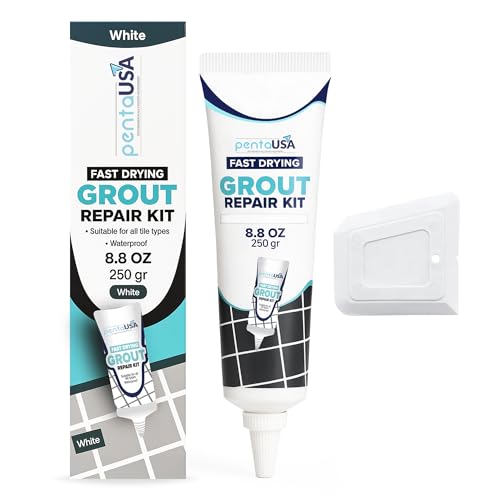
Acrylic Sanded Grout Filler That Cures Into Solid Grout - This premixed tile grout repair contains acrylic sanded grout material in a clean white tone that fills cracks, missing sections, and damaged joints, curing into solid grout-like material that bonds to existing grout and tile for durable structural repair on floors, walls, and countertops. Designed for DIY tile grout repair, suitable for first-time users, homeowners, and handyperson-level work.

Keep a clean, NATURAL APPEARANCE and improve the DURABILITY of your grout in your shower, kitchen, bathroom, and tile flooring
Regular Maintenance Tips
- Wipe Surfaces Daily: Use a damp cloth to wipe down tiles every day. This keeps food splatters and spills from sticking.
- Seal the Grout: Apply a high-quality grout sealer every six to twelve months. It creates a barrier that protects against stains.
- Use Mild Cleaners: Choose pH-balanced cleaners. These won’t harm your tiles or grout and work effectively.
- Address Spills Immediately: Clean up spills as soon as they happen. Quick action prevents stains from setting into the tile or grout.
Avoiding Damage to Tiles
- Avoid Harsh Chemicals: Steer clear of bleach or abrasive cleaners. They can damage the surface and cause discoloration.
- Limit Scrubbing: Use soft sponges or cloths instead of scrubbing pads. Strong scrubbing can scratch your tiles.
- Use Coasters and Mats: Place coasters under dishes and mats under appliances. They prevent scratches and absorb spills.
- Mind the Temperature: Avoid extreme temperature changes. Sudden shifts can cause cracking in tiles.
Implementing these preventative measures leads to consistently clean and bright white subway tiles in your kitchen.
Conclusion
Keeping your white subway tiles in top shape is easier than you might think. With a few simple cleaning methods and regular maintenance you can maintain their brightness and charm.
Don’t forget that a clean kitchen not only looks great but also promotes a healthier cooking environment. By addressing stains and spills promptly and using the right products you can keep your tiles looking fresh for years to come.
So grab your supplies and get started on that cleaning routine. Your kitchen will thank you for it!
Frequently Asked Questions
Why do white subway tiles lose their brightness over time?
White subway tiles lose their brightness mainly due to dirty grout and stains from spills and splashes in the kitchen. Regular exposure to grease, food splatters, and water can dull the surface and create an unkempt appearance, even if the tiles were initially beautiful.
How can I restore the shine to my white subway tiles?
To restore shine, you can use various cleaning methods such as DIY solutions like baking soda paste, vinegar mixtures, or commercial cleaners. A careful cleaning process that includes gentle scrubbing, rinsing, and drying can significantly improve the tile’s appearance.
What are some common stains on white subway tiles?
Common stains on white subway tiles include grease spots, food splatters, and water stains. Regularly addressing these issues is crucial to prevent them from hardening and becoming more difficult to clean.
How often should I clean my white subway tiles?
It’s best to clean white subway tiles regularly, ideally once a week for routine maintenance. Spot cleaning spills and addressing stains immediately will help keep your tiles looking bright and prevent grime accumulation.
What preventative measures can I take to maintain my tiles?
To maintain the brightness of your white subway tiles, practice daily surface wiping, seal grout every 6-12 months, use mild cleaners, and address spills right away. Avoid harsh chemicals and scrubbing with abrasive materials to prolong the tile’s appearance.
