
Key Takeaways
- Identify Common Causes: Slow draining kitchen sinks can result from debris buildup, pipe misalignment, faulty P-traps, tree roots, and aging pipes.
- Recognize Warning Signs: Be aware of symptoms like water backflow, gurgling noises, bad odors, and frequent overflow, which indicate potential clogs.
- Essential Tools: Gather necessary tools such as a plunger, drain snake, bucket, adjustable wrench, and rubber gloves to effectively clear clogs.
- Effective Cleaning Solutions: Utilize natural remedies like baking soda and vinegar, as well as boiling water and enzyme cleaners, to maintain a clear drain and eliminate odors.
- Implement Preventative Measures: Regular maintenance, including using drain strainers, disposing of grease properly, and flushing hot water weekly, can prevent future drainage issues.
- Avoid Common Pitfalls: Steer clear of harsh chemical drain cleaners, non-dissolvable items, and excessive use of the garbage disposal to maintain healthy plumbing.
Is your kitchen sink draining slower than molasses? You’re not alone. Many people face this frustrating issue, often right when they’re in the middle of cooking or cleaning up. A slow drain can turn a simple task into a hassle, leaving you wondering what went wrong.
Understanding Slow Draining Kitchen Sinks
Slow draining kitchen sinks can hinder your cooking and cleaning tasks. Knowing the causes and signs of clogs helps you address the issue effectively.
Common Causes of Slow Draining
- Debris Buildup: Food particles, grease, and soap accumulation form in pipes, leading to restricted flow.
- Pipe Misalignment: Shifting or settling can cause pipes to become misaligned, trapping water and debris.
- Faulty P-Trap: A damaged or clogged P-trap, the curved section of pipe under your sink, can block drainage.
- Tree Roots: In some cases, invasive tree roots can infiltrate underground pipes, causing blockages.
- Aging Pipes: Old pipes may corrode, leading to rust and residue buildup that slows drainage.
Signs Your Sink Is Clogged
- Water Backflow: If water pools in the sink, it signals a clog in the drainage system.
- Gurgling Noises: Strange sounds from the drain indicate that air is trapped, pointing to a blockage.
- Slow Drainage: Slightly slow water flow can precede a complete clog, so pay attention to minor changes.
- Bad Odors: Foul smells often indicate decomposing food or waste caught in the pipes.
- Frequent Overflow: If you notice consistent overflow, it suggests a more severe clog that needs immediate attention.
Tools and Materials Needed
To clear a slow draining kitchen sink, gather essential tools and materials. Having the right items on hand simplifies the process and improves your chances of success.
Recommended Products
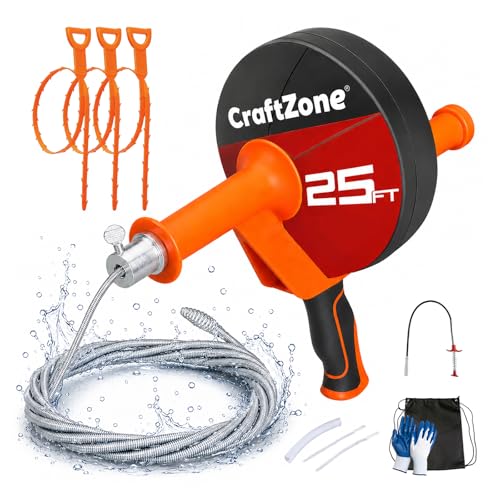
GOOD HELPER: This professional drain snake comes with a 25-ft steel pipe that will solve most household clogging problems and keep your drains clear. In addition, the drain hair remover comes with a pair of gloves, a storage bag, and two cleaning brushes, making it a great helper for cleaning your kitchen bathroom

Clear Sink Blockages Fast: Place the large opening of your kitchen sink plunger over your clogged plug pump it a two times. You'll clear more in 10 seconds than any other type of plunger.

【Metal Claw Grabber for Stubborn Clogs】 This extra-long 35.5-inch metal grabber features a flexible yet sturdy shaft and a 4-claw tip that opens and closes by the handle. It bends easily into curved pipes and P-traps to latch onto solid obstructions, toys, and thick hair clogs that plastic snakes simply can’t grip.
Basic Tools
- Plunger: A standard sink plunger effectively dislodges clogs.
- Drain Snake: A flexible drain snake reaches deep into pipes to remove stubborn blockages.
- Bucket: Use a bucket to catch any water or debris during the cleaning process.
- Wrench: An adjustable wrench helps to loosen and tighten plumbing connections.
- Gloves: Rubber gloves protect your hands from debris and harsh chemicals.
Recommended Cleaning Solutions
- Baking Soda and Vinegar: This natural solution breaks down buildup and eliminates odors. Pour half a cup of baking soda followed by half a cup of vinegar down the drain. Wait 30 minutes, then rinse with hot water.
- Liquid Drain Cleaner: For tough clogs, a store-bought liquid drain cleaner can be effective. Follow the product instructions for best results.
- Boiling Water: Pouring boiling water down the drain can dissolve grease and soap buildup. Do this in stages to avoid damaging pipes.
- Enzyme Cleaners: These biodegradable cleaners use natural enzymes to break down organic matter in pipes. They’re gentle on plumbing and safe for the environment.
Step-by-Step Guide to Clear a Slow Draining Kitchen Sink
Follow these steps to resolve the issue of a slow-draining kitchen sink effectively.
Using a Plunger
- Get Your Plunger Ready: Ensure you have a standard cup plunger. This type works best for sinks.
- Create a Seal: Position the plunger over the drain. Make sure it covers the entire opening to create a tight seal.
- Plunge Away: Push down hard, then pull back quickly. Repeat this process 10 to 15 times. The suction should help dislodge any debris slowing the drain.
- Check the Drain: After plunging, run water to see if it drains properly. If it still drains slowly, proceed to the next step.
Cleaning the P-Trap
- Gather Your Tools: You’ll need an adjustable wrench, bucket, and rubber gloves.
- Turn Off the Water Supply: Shut off the water to prevent any spills while you work.
- Place the Bucket: Position a bucket under the sink to catch any water from the pipes.
- Remove the P-Trap: Use the adjustable wrench to loosen the nuts on either side of the P-trap. Carefully remove the trap and allow water and debris to drain into the bucket.
- Clean the Trap: Inspect the P-trap for blockages. Clean it thoroughly with warm, soapy water. Use a brush if needed to scrub stubborn debris.
- Reassemble: Reconnect the P-trap, tightening the nuts securely, then run water to check for leaks.
Applying Baking Soda and Vinegar
- Get the Ingredients: You’ll need 1 cup of baking soda and 1 cup of vinegar.
- Pour Baking Soda: Remove the sink stopper and pour the baking soda directly into the drain.
- Add Vinegar: Follow with the vinegar. You’ll notice a fizzing reaction, which helps break down clogs.
- Wait: Let the mixture sit for at least 30 minutes. This waiting period allows the solution to work on the blockage.
- Flush with Hot Water: After 30 minutes, flush the drain with boiling water. This step helps remove any remaining debris and cleans the pipes.
Implement these methods systematically for the best results while clearing your slow-draining kitchen sink.
Preventative Measures
Implementing preventative measures helps maintain proper kitchen sink drainage. With consistent care, you can minimize clogs and ensure smooth water flow.
Recommended Products

Universal Size - Precision crafted with a 4.5-inch outer diameter, a 3-inch inner sink strainer basket, and a 1-inch depth, this sink drain strainer seamlessly fits the internal diameter of most standard sink drains. As an essential drain cover, its universal design ensures a secure and compatible fit for your kitchen sink drain, making it the perfect drain strainer for everyday use.

【Flat Edge & Secure Fit】The upgraded flat edge on this sink drain strainer locks securely into your sink’s built-in step, so it won’t slip or shift—even when you’re bumping it with pots and pans. You’ll never have to stop and reposition a loose strainer mid-wash again

High Quality- Kitchen-sink strainers made of long last stainless steel 304 mesh, rustproof and long life time use
Regular Maintenance Tips
- Clean the Sink Regularly: Remove food particles, grease, and debris after each use to prevent buildup.
- Use a Drain Strainer: Install a mesh strainer to catch food particles, hair, and other debris, reducing the chance of clogs.
- Flush with Hot Water: Pour hot water down the drain weekly. This helps dissolve grease and keeps pipes clear.
- Limit Grease Disposal: Dispose of oils and fats in the trash. Avoid pouring them down the sink, as they can solidify and create blockages.
- Run the Garbage Disposal: If you have one, run it regularly with cold water to help clear any small food particles.
What to Avoid in Your Sink
- Avoid Chemical Drain Cleaners: These may damage pipes over time. Consider natural alternatives instead.
- Don’t Put Non-Dissolvable Items Down the Drain: Items such as coffee grounds, eggshells, and fibrous foods can lead to clogs.
- Steer Clear of Excessive Hot Water Use: While flushing with hot water is good, do not use boiling water in excess as it can weaken some types of plumbing pipes.
- Limit Use of the Garbage Disposal: Excessive use can lead to slow drainage. Clean it regularly and don’t overload it.
- Avoid Perfumed Oils or Strong Chemicals: These can build up in the pipes and lead to sludge, slowing drainage.
By sticking to these maintenance tips and avoiding common pitfalls, you can keep your kitchen sink draining smoothly.
Conclusion
Dealing with a slow-draining kitchen sink can be a hassle but you now have the tools and knowledge to tackle it. Whether you choose to plunge it out or use a natural solution like baking soda and vinegar there are plenty of effective methods at your disposal.
Remember that regular maintenance is key to preventing future clogs. By keeping an eye on what goes down your sink and cleaning it regularly you can enjoy a smoothly draining kitchen sink.
So go ahead and put these tips into action. You’ll be amazed at how quickly you can restore your sink’s flow and keep your kitchen running smoothly. Happy cleaning!
Frequently Asked Questions
What causes slow kitchen sink drainage?
Slow kitchen sink drainage is often caused by debris buildup from food particles and grease, pipe misalignment, faulty P-traps, invasive tree roots, or aging pipes. Identifying these issues can help address the problem effectively.
What are the signs of a clogged kitchen sink?
Common signs of a clog include water backflow, gurgling noises, slow drainage, bad odors, and frequent overflow. Recognizing these signs can help you take action before the clog worsens.
What tools do I need to clear a slow-draining sink?
Essential tools for clearing a slow-draining sink include a plunger, drain snake, bucket, adjustable wrench, and rubber gloves. Having these items ready can simplify the unclogging process.
What cleaning solutions can I use for a clogged sink?
Effective cleaning solutions include a mixture of baking soda and vinegar, liquid drain cleaners, boiling water for grease, and enzyme cleaners, which are environmentally friendly and gentle on pipes.
How do I use a plunger to clear a sink?
To use a plunger, create a tight seal around the drain, ensuring no air escapes. Push down firmly and pull up quickly, repeating this motion several times to create suction and dislodge the clog.
How do I clean the P-trap?
To clean the P-trap, turn off the water supply, place a bucket underneath to catch spills, remove the P-trap using an adjustable wrench, and clean it out by rinsing it with water before reattaching.
How can I prevent slow drainage in my kitchen sink?
Prevent slow drainage by regularly cleaning the sink, using a drain strainer, flushing with hot water weekly, limiting grease disposal, and running the garbage disposal frequently to avoid clogs.
What should I avoid to maintain proper drainage?
Avoid using chemical drain cleaners, disposing of non-dissolvable items, pouring excessive hot water down the drain, and overloading the garbage disposal to maintain proper drainage in your sink.
