
Key Takeaways
- Common Causes of Slow Drains: Slow kitchen drains can result from grease buildup, food particles, hair and soap scum, foreign objects, or pipe damage.
- Signs of Clogs: Look out for slow drainage, unpleasant odors, gurgling sounds, frequent backups, and issues with multiple fixtures to identify potential drain problems.
- Effective DIY Solutions: Use boiling water, baking soda and vinegar, a plunger, or a drain snake as effective methods to clear minor to moderate slow drains before seeking professional help.
- When to Call a Professional: Persistent clogs, sewage odors, multiple fixture issues, unusual gurgling sounds, and water backups into other fixtures indicate it’s time to consult a plumbing expert.
- Budgeting for Professional Help: Be aware of average service costs for drain cleaning and advanced clog removal to prepare financially for potential plumbing services.
Is your kitchen sink draining slower than molasses? You’re not alone. A sluggish drain can turn cooking into a frustrating chore, making it hard to wash dishes or prep meals. It’s a common issue that many face, but the good news is that you can tackle it yourself.
Understanding Slow Kitchen Drains
Slow kitchen drains can stem from various issues that often compromise your cooking and cleaning experience. Recognizing these causes and signs can help you address the problem effectively.
Common Causes of Slow Drains
- Grease Buildup: Fatty substances from cooking create clogs over time. Grease sticks to pipe walls, narrowing the passage.
- Food Particles: Small food scraps can accumulate in the drain. Even if you use a disposal, some bits can get past it.
- Hair and Soap Scum: Hair strands combine with soap residue, forming a thick mass. This mix can easily obstruct the drain.
- Foreign Objects: Items like utensils or sponges can accidentally fall into the sink. These blockages require immediate attention to restore flow.
- Pipe Damage: Cracks or misalignments in pipes disrupt water flow. Tree roots or ground shifts may cause damage that leads to clogs.
Signs of a Clogged Drain
- Slow Drainage: Water pooling in your sink is a primary sign. If it takes longer than usual for water to disappear, you might have a problem.
- Unpleasant Odors: Foul smells indicate food decay or buildup inside the pipes. Odors can signal that a more serious blockage may exist.
- Gurgling Sounds: When you hear gurgling noises while using the sink, it often suggests trapped air. This air indicates that a clog is affecting drainage.
- Frequent Backups: Regular occurrences of your sink backing up are warning signs. This pattern may show that your drainage system is struggling.
- Multiple Fixture Problems: If problems occur in other sinks or fixtures, a bigger blockage in the main line might cause the issue. Pay attention to these signs to address them early.
DIY Methods for Clearing Slow Drains
You can tackle slow kitchen drains using various effective DIY methods. These solutions are often simple, using everyday household items.
Boiling Water
Boiling water offers a quick fix for minor drain clogs. It effectively melts grease and breaks down food particles. To use this method, follow these steps:
- Boil at least two liters of water in a kettle or pot.
- Pour the boiling water down the drain in a steady stream.
- Repeat this process if necessary, allowing the hot water to work for several minutes after each pour.
This method is best for soft blockages. Avoid this if you suspect pipe damage, as extreme heat can worsen the situation.
Baking Soda and Vinegar
Baking soda and vinegar create a natural reaction that can dislodge stubborn clogs. Here’s how to use this combination:
- Pour half a cup of baking soda directly into the drain.
- Follow with half a cup of vinegar. You’ll notice fizzing; this reaction helps break down debris.
- Cover the drain with a plug or cloth to trap the reaction inside for about 30 minutes.
- Flush the drain with boiling water after the wait to remove loosened clogs.
This method fights odors and reduces buildup. For persistent clogs, repeat the process a few times.
Using Plumbing Tools
Using plumbing tools can effectively clear a slow kitchen drain. These tools help you tackle stubborn clogs that DIY methods may not fully resolve.
Recommended Products
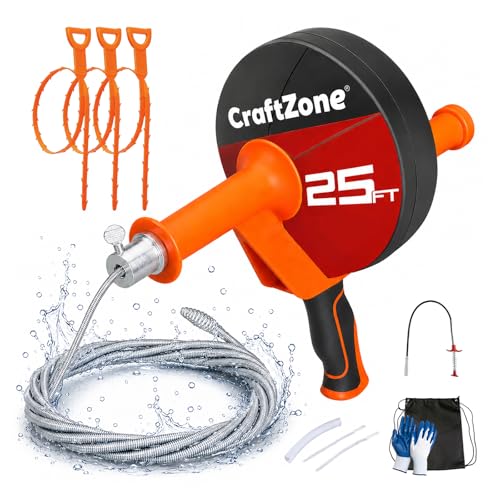
GOOD HELPER: This professional drain snake comes with a 25-ft steel pipe that will solve most household clogging problems and keep your drains clear. In addition, the drain hair remover comes with a pair of gloves, a storage bag, and two cleaning brushes, making it a great helper for cleaning your kitchen bathroom

【EXCELLENT LENGTH】Metal clog remover is 35.5 inches long with a claw extending from the top, which could easily insert to deeper pipes, and grab the blockage and hair. Drain snake is 25 inches long with tiny hooked teeth on it, which is perfect to insert and easy to pull out hair and blockage. Cleaning brush is bendable and durable for daily cleaning of pipe inner wall.

Clear Sink Blockages Fast: Place the large opening of your kitchen sink plunger over your clogged plug pump it a two times. You'll clear more in 10 seconds than any other type of plunger.
Plunger
Using a plunger is a straightforward method for clearing minor clogs. Follow these steps:
- Select the right plunger: Choose a cup plunger for sinks, as it’s designed to fit the drain’s shape.
- Add water: Fill the sink with enough water to cover the plunger’s cup. This creates a better seal.
- Seal the overflow drain: If your sink has an overflow opening, seal it with a wet cloth or a second plunger.
- Plunge: Push down hard, then pull up quickly. Repeat this process for 15-20 seconds. The suction often dislodges the blockage.
If the drain clears, flush it with hot water. If not, move to the next tool.
Drain Snake
Using a drain snake effectively addresses tougher clogs deeper in the pipes. Here’s how to use one:
- Choose the right snake: A manual drain snake works for most kitchen sinks. Powered snakes are available for heavy-duty issues.
- Insert the snake: Carefully push the snake into the drain until you feel resistance.
- Turn the handle: Rotate the snake as you push deeper. This action helps latch onto the blockage.
- Pull back: Gently pull the snake out while continuing to turn the handle. This often brings up hair, grease, or debris.
- Run water: After clearing the clog, let water run to ensure everything flows smoothly.
Using a drain snake simplifies removing clogs and keeps your kitchen running efficiently.
When to Call a Professional
Sometimes, DIY methods aren’t enough. Recognizing when to call a professional can save you time and trouble.
Signs You Need Expert Help
Look for these indicators to determine if a professional’s assistance is necessary:
- Persistent Clogs: If repeated cleaning efforts fail, it might signal a deeper issue.
- Sewage Odors: Unpleasant smells indicate potential sewer line problems.
- Multiple Fixture Issues: If several sinks or drains are slow, this suggests a broader plumbing issue.
- Gurgling Sounds: Unusual noises may indicate blockages or venting problems.
- Water Backups: Water backing up into other fixtures points to significant clogs in the system.
Costs of Professional Services
Professional service costs can vary based on several factors, including location and service complexity. Here’s a helpful breakdown:
| Service Type | Average Cost |
|---|---|
| Basic Drain Cleaning | $100 – $300 |
| Advanced Clog Removal | $300 – $500 |
| Camera Inspection | $150 – $500 |
| Emergency Services | $100 – $250/hour |
Staying informed about these costs helps you budget for necessary repairs. Check with local plumbers for specific rates, as they can differ widely based on the job’s difficulty and your area.
Conclusion
Dealing with a slow kitchen drain can be frustrating but you’ve got the tools and knowledge to tackle it. Whether you choose to try some DIY methods or reach for plumbing tools you can often clear those pesky clogs yourself.
Remember to keep an eye out for signs of trouble and don’t hesitate to call in a professional if the problem persists. A well-maintained drain not only makes cooking and cleaning easier but also keeps your kitchen smelling fresh. You’re now equipped to keep your kitchen sink flowing smoothly so get started and enjoy a hassle-free cooking experience!
Frequently Asked Questions
What causes a slow-draining kitchen sink?
Slow-draining kitchen sinks can result from various issues, including grease buildup, food particles, hair, soap scum, foreign objects, and pipe damage. Identifying the cause is essential to resolve the issue effectively.
How can I tell if my drain is clogged?
Signs of a clogged drain include slow drainage, unpleasant odors, gurgling sounds from the sink, frequent backups, and issues affecting multiple fixtures. Recognizing these indicators is key to addressing the problem promptly.
What DIY methods can I use to clear a slow drain?
You can try pouring boiling water down the drain, using baking soda and vinegar for a natural reaction, or repeating these methods as needed. These techniques help dislodge stubborn clogs and reduce odors.
When should I consider using plumbing tools?
Using plumbing tools like a plunger or drain snake can help with more persistent clogs. A plunger is suitable for minor blockages, while a drain snake is effective for tougher clogs deep in the pipes.
When should I call a professional plumber?
Consider calling a professional if you experience repeated clogs, sewage odors, multiple fixtures malfunctioning, gurgling sounds, or water backups. These signs indicate a more serious plumbing issue that may require expert assistance.
