
Key Takeaways
- Understanding Causes: Kitchen sink blockages commonly arise from food scraps, grease buildup, soap residue, hair, and foreign objects, necessitating proactive management.
- Identifying Warning Signs: Look out for signs such as slow drainage, gurgling sounds, foul odors, backed-up water, and sandy residue, which indicate potential blockages.
- DIY Solutions: Effective methods to clear blockages include pouring boiling water, using a baking soda and vinegar solution, and employing a plumber’s snake for deeper clogs.
- When to Seek Help: Persistent clogs, unusual drain sounds, bad odors, backed-up water, or visible pipe damage signal the need for professional plumbing assistance.
- Choosing a Plumber: Select a qualified plumber based on their experience, necessary licenses, customer reviews, competitive estimates, and guarantees on their work.
- Preventative Practices: Regular maintenance, such as flushing with hot water, using a drain strainer, cleaning the garbage disposal, and avoiding certain food items can help prevent future blockages.
Ever found yourself standing in front of a kitchen sink filled with murky water? It’s a frustrating situation that can happen to anyone. Whether it’s from food scraps or grease buildup, a blocked sink can throw a wrench in your daily routine.
Understanding Kitchen Sink Blockage
Kitchen sink blockages often stem from everyday usage. Understanding the causes and signs helps you effectively address the problem before it worsens.
Common Causes of Blockage
- Food Scraps: Small bits of food can accumulate in the drain, especially if you don’t use a sink strainer.
- Grease Buildup: Cooking oils and fats solidify in pipes over time, causing significant clogs.
- Soap Residue: Soap can combine with grease, forming a thick sludge that sticks to pipes.
- Hair: Long hair can wash down the sink, where it intertwines and creates blockages.
- Foreign Objects: Items like utensils or sponges can accidentally fall into the sink, obstructing the flow.
Signs of a Blocked Sink
- Slow Drainage: Water taking longer than usual to drain indicates a potential blockage.
- Gurgling Sounds: Unusual noises from your sink can signal air trapped by an obstruction.
- Foul Odors: Bad smells often arise from rotting food or stagnant water trapped in the pipes.
- Backed-Up Water: If water pools in the sink instead of flowing down, a blockage is likely present.
- Sandy Residue: Grease and debris may leave a gritty texture in the sink basin, hinting at buildup.
DIY Methods to Clear Kitchen Sink Blockage
You can tackle kitchen sink blockages with several effective DIY methods. These techniques often use common household ingredients or tools.
Recommended Products

【Metal Claw Grabber for Stubborn Clogs】 This extra-long 35.5-inch metal grabber features a flexible yet sturdy shaft and a 4-claw tip that opens and closes by the handle. It bends easily into curved pipes and P-traps to latch onto solid obstructions, toys, and thick hair clogs that plastic snakes simply can’t grip.

Professional: This professional plumbers snake comes complete with 25 ft Steel, more than enough for most household clog, keeping your drains flowing smoothly. In addition, the pipe snake comes with a pair of gloves, which help to keep your hands clean and safe. What's more the springs can be stored in the drum to keep it tidy than conventional drain cleaner.
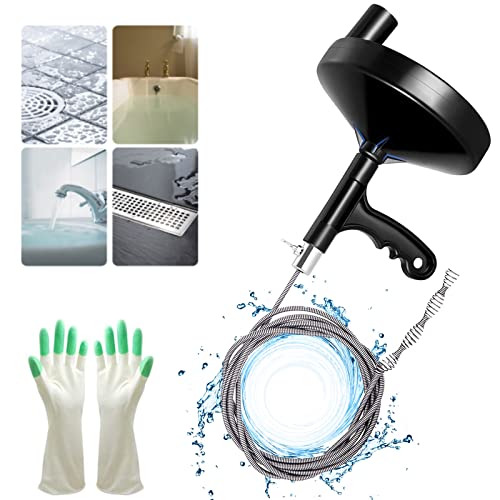
25 Ft of Flexible Steel Wire Easier to Reach Deeper Clogs: This professional plumbing snake drains auger comes with 25 ft of heavy-duty spring steel cable that goes beyond traps to remove most common household clogs. Highly effective drum auger for unclogging drains and keeping your drains flowing smoothly
Boiling Water Technique
Boiling water can resolve many minor clogs. Pour a pot of boiling water directly into the drain. For best results, pour slowly to give the hot water time to work on the grease or food scraps. Repeat if necessary. This method works well for grease buildup and small blockages.
Baking Soda and Vinegar Solution
Using baking soda and vinegar creates a powerful natural cleaner. Start by pouring one cup of baking soda down the drain. Follow it with one cup of vinegar. You’ll notice fizzing, indicating that the mixture is breaking down the blockage. After about 30 minutes, flush the drain with hot water. This method helps dislodge food particles and neutralize odors.
Plumber’s Snake Usage
A plumber’s snake, or drain snake, is a handy tool for deeper clogs. Insert one end of the snake into the drain and gently twist it as you push it down. This action helps to hook or break apart the blockage. Pull the snake out carefully, disposing of any debris collected. For stubborn clogs, repeat this process as needed.
When to Call a Professional
Recognizing when to call a professional can save time and prevent further damage. Seek assistance if DIY methods don’t resolve the blockage after several attempts.
Warning Signs
Warning signs indicate that a professional might be necessary. Watch for the following:
- Persistent Clogs: If the sink remains blocked despite multiple attempts at clearing it, you need expert intervention.
- Gurgling Sounds: Unusual noises from the drain often signal a deeper blockage in the plumbing system.
- Foul Odors: Bad smells can result from decomposing food or stagnant water, suggesting serious underlying issues.
- Backed-Up Water: If water backs up into the sink or other drains, the problem likely extends beyond simple clogs.
- Visible Damage: Cracks or leaks in pipes can escalate problems and often need skilled repairs.
Choosing the Right Plumber
Choosing the right plumber requires careful consideration. Keep these factors in mind:
- Experience: Look for plumbers with proven experience in handling kitchen sink blockages.
- Licenses: Ensure the plumber holds necessary licenses to perform plumbing work in your area.
- Reviews: Check online reviews and ratings to gauge customer experiences and satisfaction.
- Estimates: Obtain estimates from multiple plumbers before making a decision to ensure competitive pricing.
- Guarantees: Choose plumbers who offer guarantees on their work, providing peace of mind in case issues arise again.
Select a professional based on these criteria to ensure proper handling of your kitchen sink problems.
Preventative Measures
Taking preventative measures can significantly reduce the likelihood of kitchen sink blockages. Simple habits can keep your sink flowing smoothly and minimize maintenance efforts.
Regular Maintenance Tips
- Flush with Hot Water: Regularly pour hot water down the drain to help dissolve grease and food remnants. This practice can prevent buildup and keep pipes clear.
- Use a Drain Strainer: Install a drain strainer to catch food scraps and debris. Regularly empty and clean the strainer to ensure optimal drainage.
- Clean Your Garbage Disposal: If you have a garbage disposal, run it frequently and clean it with ice cubes and lemon slices. This helps eliminate odors and prevents gunk from forming.
- Weekly Baking Soda Treatment: Pour a half-cup of baking soda down the drain weekly. Follow it with boiling water to break down any potential clogs from soap residue or grease.
Items to Avoid Disposing in the Sink
- Grease and Oils: Never pour grease, fats, or oils down the sink. These substances solidify and create clogs, leading to major blockages.
- Food Scraps: Avoid disposing of fibrous foods like celery, potato peels, and egg shells. These items can tangle or accumulate, causing backups.
- Coffee Grounds: Dispose of coffee grounds in the trash rather than the sink. They can combine with grease and create a thick sludge.
- Non-food Items: Don’t wash non-food items, like paper towels, wrappers, or hair, down the drain. These materials can lead to severe clogs and damage plumbing systems.
Conclusion
Dealing with a blocked kitchen sink can be a hassle but you now have the tools and knowledge to tackle it head-on. By understanding the common causes and recognizing the signs of a blockage you can take proactive steps to clear your sink and prevent future issues.
Remember to try out those handy DIY methods before reaching for the phone. And if you ever feel overwhelmed don’t hesitate to call in a professional. With a little care and attention your kitchen sink can stay clear and functional for years to come. Happy cleaning!
Frequently Asked Questions
What causes a kitchen sink to become blocked?
A kitchen sink can become blocked due to food scraps, grease buildup, soap residue, hair, and foreign objects. Regular use and improper disposal practices can all contribute to these blockages.
What are the signs of a blocked kitchen sink?
Signs of a blocked kitchen sink include slow drainage, gurgling sounds, foul odors, backed-up water, and sandy residue. These symptoms indicate that there may be clogs forming in the plumbing.
How can I unblock my kitchen sink at home?
You can unblock your kitchen sink using several DIY methods. Pour boiling water down the drain for grease clogs, use a baking soda and vinegar solution, or try a plumber’s snake for deeper blockages.
When should I call a professional plumber?
You should call a professional plumber if you experience persistent clogs, ongoing gurgling sounds, foul odors, backed-up water, or visible damage to your pipes. Timely assistance can prevent further damage.
What preventative measures can I take to avoid clogs?
To prevent kitchen sink clogs, regularly flush the drain with hot water, use a drain strainer, clean the garbage disposal, and perform a weekly baking soda treatment. Avoid disposing of grease, fibrous foods, and non-food items in the sink.
