
Key Takeaways
- Regular cleaning of kitchen cabinet doors is essential to maintain their appearance and prevent buildup of grease, grime, and fingerprints.
- Effective cleaning solutions include soap and water, vinegar and water, and baking soda paste, each targeting different types of stains.
- Utilize soft tools such as microfiber cloths and non-abrasive sponges to avoid damaging the cabinet surfaces while cleaning.
- Establish a monthly cleaning schedule and incorporate quick daily wipe-downs to keep cabinets looking fresh.
- Always test cleaning solutions in a hidden area to prevent damage, and choose the right cleaners based on cabinet material.
- Promptly address stains as they occur to prevent them from setting, and regularly inspect hardware for maintenance.
Ever looked at your kitchen cabinet doors and thought they could use a little TLC? Grease, grime, and fingerprints can build up over time, making your space feel less inviting. You’re not alone; many people struggle to find the right cleaning solutions that won’t damage their cabinets.
Overview of Kitchen Cabinet Cleaning
Cleaning your kitchen cabinet doors helps maintain their appearance and functionality. Kitchen cabinets often gather grease, smudges, and dust over time, which can affect your kitchen’s overall aesthetic. Regular cleaning can prevent buildup and keep your cabinets looking fresh.
Recommended Cleaning Solutions
- Soap and Water
- Mix warm water with a few drops of dish soap.
- Use a soft cloth or sponge to gently scrub the cabinet doors.
- Rinse with plain water and dry with a clean towel.
- Vinegar Solution
- Combine equal parts of vinegar and water in a spray bottle.
- Spray the solution on the cabinet doors and wipe with a microfiber cloth.
- This solution cuts through grease effectively.
- Baking Soda Paste
- Mix baking soda with a small amount of water to create a paste.
- Apply the paste to stubborn spots and scrub with a non-abrasive sponge.
- Rinse thoroughly afterward to avoid residue.
Tools for Effective Cleaning
- Microfiber Cloths: These are gentle on surfaces and excellent for trapping dirt.
- Sponges: Soft sponges help prevent scratches while effectively removing grime.
- Soft-Bristle Brush: Use this for intricate detailing and hard-to-reach areas.
Cleaning Frequency
Aim to clean your kitchen cabinet doors every month. This practice prevents excessive buildup and keeps your kitchen looking tidy. Consider a more frequent cleaning schedule if you notice significant cooking activity.
Safety Considerations
Always test any cleaning solution in a hidden area first. Certain materials, like wood and laminate, can react differently to various cleaners. Ensure your cleaning method suits your cabinet type to avoid damage.
Common Stains and Messes
Regular cleaning of kitchen cabinet doors helps maintain their appearance. It’s essential to know the common types of stains and messes you may encounter.
Recommended Products

Complete Cleaning Kit for Effortless Cabinet Care - Everything you need for spotless cabinets in one easy set. This kitchen cabinet cleaner kit includes a precision cleaning brush, and an 8 oz bottle with a calibrated spray top for even coverage. The cabinet cleaner for wood offers a smooth application, while the long-lasting cabinet cleaner degreaser helps you keep your cabinets looking cared for day after day.
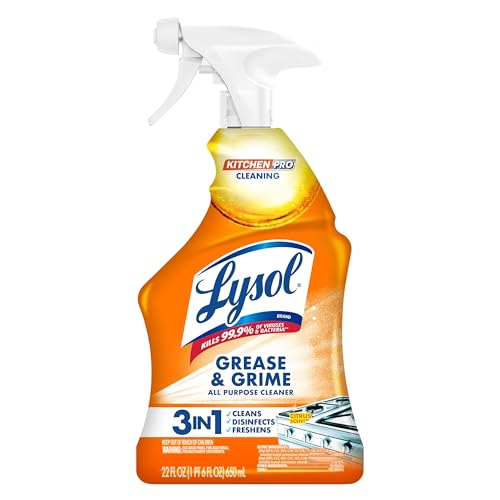
ELIMINATES 99.9% OF KITCHEN VIRUSES AND BACTERIA INCLUDNG SALMONELLA AND E.COLI: Lysol Pro Kitchen Cleaner is tested and proven to eliminate 99.9% of viruses and bacteria* (when used as directed). EPA Reg #777-91.

Fast-Acting Kitchen Cabinet Cleaner: Instantly dissolves tough grease – sticky buildup on wood cabinet door above the cooktop, oily fingerprints around handle. Just spray & revive guest-ready shine for homeowners, move-in ready clean for new owners.
Grease and Oil Stains
Grease and oil stains frequently accumulate on kitchen cabinet doors. These stains often result from cooking activities, where splatters can land on the cabinets. To tackle these stains, mix equal parts of vinegar and water in a spray bottle. Spray the solution directly onto the stained area and wipe with a microfiber cloth for effective removal.
Food Residue
Food residue can appear as sticky spots on cabinet doors. This buildup usually comes from spills or food prep. Create a gentle paste using baking soda and water. Apply the paste to the residue, let it sit for five minutes, and then scrub gently with a soft sponge. Rinse with a damp cloth to remove any residue.
Water Spots
Water spots may develop from moisture in the kitchen, especially around sinks. These spots often look like streaks on your cabinets. To remove them, use a mixture of soap and warm water. Dip a clean cloth into the solution, wring it out, and wipe away the spots. Dry the area immediately with a separate cloth to prevent new spots from forming.
Best Cleaning Solutions
Cleaning kitchen cabinet doors effectively requires the right solutions. Both natural and commercial cleaners provide options depending on your preferences and needs.
Recommended Products

CABINET & FURNITURE CLEANER: Removes dirt, grime & grease buildup

40 YEARS OF FINISHING EXPERTISE – Created by second-generation kitchen specialists who understand the science of wood finishes. Our professional kitchen cabinet cleaner is specially designed as a safe wood cabinet cleaner that protects finishes while cleaning.
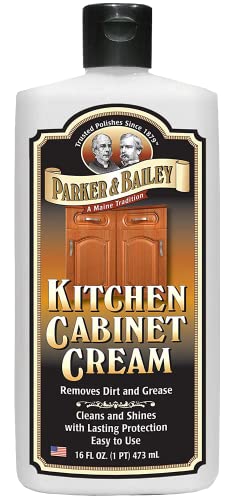
Kitchen Cabinet Creme cleans, restores and removes grease or food stains off your kitchen cabinets
Natural Cleaners
Natural cleaners are often safe and effective for removing grime from cabinet doors. Here are a few popular choices:
- Soap and Water: Mix warm water with a few drops of dish soap. Use a microfiber cloth to wipe down the cabinet surfaces. This solution is great for everyday cleaning.
- Vinegar Solution: Combine equal parts vinegar and water in a spray bottle. Spray on the doors and wipe with a soft cloth. Vinegar cuts through grease effectively.
- Baking Soda Paste: Mix baking soda with water to form a paste. Apply it to tough stains and let it sit for a few minutes before wiping it off. It’s particularly useful for sticky food residue.
Commercial Cleaners
Commercial cleaners offer convenience and targeted formulations for tough stains. Consider these top options:
- All-Purpose Cleaners: Look for a non-toxic, all-purpose cleaner suitable for kitchen surfaces. Read labels to ensure compatibility with cabinet materials.
- Grease-Fighting Sprays: Products designed specifically for grease breakdown work wonders on oily stains. Select one that’s safe for your cabinet finish.
- Wood Polish or Cleaner: If your cabinets are wooden, using a wood cleaner can enhance their shine and protect the finish. Apply as directed for the best results.
Using these cleaning solutions, you can maintain your kitchen cabinet doors while keeping them looking fresh and inviting.
Cleaning Techniques
Cleaning your kitchen cabinet doors can be simple with the right methods. Below are effective techniques to keep your cabinets looking their best.
Recommended Products

EFFORTLESS CLEANING -- Lifeproof Home Ceramic Coating prevents stains, smudges, fingerprints, water-spotting, soap-scum build-up, mineral build-up & more. When surfaces do get dirty, wipe away with ease! Protects surfaces for up to 6-12 months.

FORMULATED FOR YOUR MOST CHERISHED WOOD FURNITURE PIECES & CABINETS: Weiman Cabinet & Wood Clean & Shine cleans and restores shine and beauty to your kitchen and home cabinets and wood furniture. No oily, greasy residue left behind!
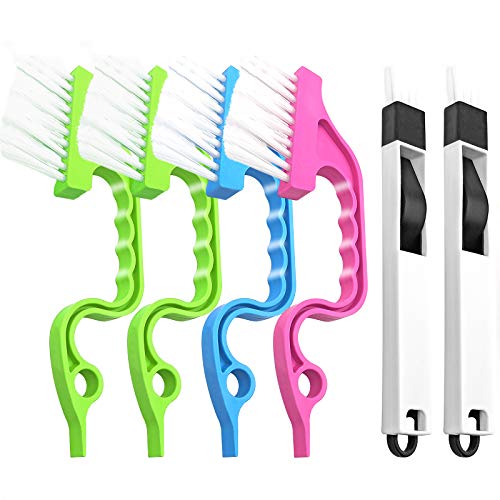
Durable Plastic Construction: Made from sturdy plastic for long-lasting use.
Scrubbing Methods
- Use a Soft Sponge: Dampen a soft sponge with a soap and water mixture. Gently scrub the surface in a circular motion to lift dirt and grease. This method suits most cabinet surfaces.
- Apply Baking Soda Paste: For tough stains, create a paste using baking soda and water. Apply it to the stain, let it sit for 10 minutes, then scrub gently with a soft sponge. Rinse with a clean, damp cloth.
- Incorporate a Non-Abrasive Brush: If scrubbing with a sponge isn’t effective for stubborn grime, utilize a non-abrasive brush. This tool reaches crevices easily without damaging the surface.
Wiping Methods
- Use a Microfiber Cloth: Dampen a microfiber cloth with a vinegar and water solution. Wipe the cabinet doors down, focusing on grease-prone areas. Microfiber attracts dust and grime effectively.
- Utilize Disposable Wipes: For convenience, consider non-toxic disposable wipes. These wipes are pre-moistened and designed for kitchen use. They offer an easy way to tackle everyday fingerprints and smudges.
- Employ a Soft Dry Cloth: After cleaning, use a soft, dry cloth to gently buff the doors. This method helps remove any streaks and adds a polished look.
These techniques provide reliable options to maintain the cleanliness and appeal of your kitchen cabinet doors.
Maintenance Tips
Maintain the cleanliness of your kitchen cabinet doors with a few simple tips. Regular maintenance prevents built-up grime and extends the life of your cabinets. Here are effective strategies you can implement:
Monthly Cleaning Schedule
Establish a monthly cleaning schedule. Clean your cabinet doors every four weeks. Regular cleaning prevents dirt accumulation and keeps your kitchen looking fresh.
Quick Daily Wipe Downs
Wipe down cabinet doors daily with a damp microfiber cloth. This quick task removes fingerprints and dust. It takes only a few minutes and keeps doors shining.
Use the Right Cleaners
Choose the right cleaners based on cabinet material. For wooden cabinets, use non-toxic wood polish. For laminate, a soap and water mix works well. Always test any cleaner on a small, hidden area first.
Avoid Harsh Chemicals
Avoid harsh chemicals that can damage finishes. Stay away from bleach and ammonia-based products. Opt for natural alternatives whenever possible.
Dry Thoroughly
Always dry cabinet doors after cleaning. Use a soft, dry cloth to buff the surface. This prevents water spots and keeps the finish intact.
Address Stains Promptly
Address any stains as soon as you notice them. For grease stains, apply a vinegar and water solution right away. For food residue, use a baking soda paste to tackle stubborn spots. Quick action prevents stains from setting in.
Inspect Hardware Regularly
Inspect cabinet hardware, such as handles and hinges. Tighten any loose screws, and clean these areas with a soft cloth. Clean hardware enhances the overall appearance of your cabinets.
Maintain Humidity Levels
Monitor humidity levels in your kitchen. Extreme humidity can warp and damage cabinets. Use a dehumidifier if needed to keep the air dry.
By incorporating these maintenance tips, you can keep your kitchen cabinet doors looking clean and inviting for years to come.
Conclusion
Keeping your kitchen cabinet doors clean doesn’t have to be a daunting task. With the right cleaning solutions and techniques you can easily tackle grease and grime while maintaining their beauty. Remember to choose cleaners that are safe for your cabinet material and to test them in a hidden spot first.
Establishing a regular cleaning routine will not only enhance the appearance of your cabinets but also extend their lifespan. So grab your microfiber cloth and your favorite cleaner, and give your kitchen a fresh look. You’ll be amazed at the difference a little care can make. Happy cleaning!
Frequently Asked Questions
How often should I clean my kitchen cabinet doors?
Cleaning your kitchen cabinet doors at least once a month is recommended. However, for best results, perform quick daily wipe-downs with a damp microfiber cloth to prevent grime buildup and maintain their appearance.
What are some effective cleaning solutions for kitchen cabinets?
Effective solutions include a soap and water mixture for everyday cleaning, a vinegar solution for grease stains, and a baking soda paste for tough spots. You can also use commercial non-toxic all-purpose cleaners for convenience.
How can I remove grease stains from kitchen cabinet doors?
To remove grease stains, mix equal parts vinegar and water. Apply the solution using a damp cloth, allowing it to sit for a few minutes to break down the grease before wiping clean.
What should I use to clean food residue from my cabinets?
For food residue, a baking soda paste works well. Mix baking soda with a small amount of water to form a paste, apply it to the residue, let it sit for a few minutes, then scrub gently and rinse.
Can I use commercial cleaners on my kitchen cabinets?
Yes, you can use commercial non-toxic all-purpose cleaners, grease-fighting sprays, or wood polish designed for kitchens. Always follow the manufacturer’s instructions and test on a hidden area first to ensure compatibility.
Why is regular maintenance important for kitchen cabinets?
Regular maintenance helps prevent the accumulation of dirt and grease, extends the lifespan of the cabinets, and keeps them looking fresh and inviting, enhancing your kitchen’s overall appeal.
What tools are best for cleaning kitchen cabinet doors?
Recommended tools include microfiber cloths, soft sponges, non-abrasive brushes, and non-toxic disposable wipes. These tools help effectively scrub and wipe down surfaces without scratching or damaging the finish.
Should I test cleaning solutions before using them?
Yes, always test any new cleaning solution on a hidden area of the cabinet first. This ensures that it won’t damage the finish or material of the cabinets before applying it more broadly.
