
Key Takeaways
- Understand Material Needs: Different kitchen cabinet materials (wood vs. laminate) require specific cleaning methods to avoid damage and maintain appearance.
- Choose Safe Cleaners: Opt for non-toxic, food-safe cleaning products, particularly in areas near food to ensure a healthy kitchen environment.
- Utilize Effective Cleaning Solutions: Natural solutions like vinegar and baking soda can effectively tackle grease and stains without harmful chemicals.
- Follow a Systematic Cleaning Process: Clear cabinets, gather cleaning supplies, and follow a step-by-step process for optimal results—always rinse and dry thoroughly to avoid streaks.
- Test Before Use: Always test new cleaners on a small, hidden section of your cabinets to ensure compatibility and prevent damage.
- Prevent Future Damage: Use protective oils on wood cabinets and avoid soaking or using abrasive scrubbers to extend the lifespan of your cabinets.
Have you ever looked at your kitchen cabinets and thought they could use a little TLC? Grease, grime, and fingerprints can build up over time, making your once-pristine cabinets look dull and worn. Finding the right product to clean them can feel overwhelming with so many options available.
Understanding Kitchen Cabinet Materials
Kitchen cabinets come in various materials, each requiring different cleaning methods. Knowing your cabinet’s material helps you choose the best cleaning products without causing damage.
Wood Cabinets
Wood cabinets offer a classic and warm appearance. Their finish can range from varnished to painted. For cleaning, use a gentle approach. Start by dusting with a soft, dry cloth. Then, for deeper cleaning, mix mild soap in warm water. Dampen a cloth in the solution, wipe the cabinets, and rinse with a clean, damp cloth. Avoid abrasive cleaners, which can scratch the surface. A little furniture polish can help restore shine.
Laminate Cabinets
Laminate cabinets are popular for their durability and easy maintenance. They feature a plastic coating on a particleboard core. Clean them with a solution of warm water and a few drops of dish soap. Use a soft cloth or sponge to avoid scratches. For tougher stains, a vinegar-water solution can work wonders. Avoid ammonia-based products, as they can damage the laminate’s surface. Always dry thoroughly to prevent moisture damage.
Factors to Consider When Choosing a Cleaner
When selecting a cleaner for your kitchen cabinets, keep the following factors in mind to ensure safety and effectiveness.
Recommended Products

EWG VERIFIED: This kitchen cleaner spray is formulated with clean ingredients and certified by the Environmental Working Group to meet their strict health and safety standards. Free from concerning substances like ammonia, SLS, and SLES.

Complete Cleaning Kit for Effortless Cabinet Care - Everything you need for spotless cabinets in one easy set. This kitchen cabinet cleaner kit includes a precision cleaning brush, and an 8 oz bottle with a calibrated spray top for even coverage. The cabinet cleaner for wood offers a smooth application, while the long-lasting cabinet cleaner degreaser helps you keep your cabinets looking cared for day after day.

Includes Three 32 Oz Bottles of Krud Kutter
Safety for Food Areas
Safety stands out as a priority. Use non-toxic cleaners for areas near food. Choose products labeled as food-safe, ensuring they don’t leave harmful residues. Check for natural ingredients, such as vinegar or baking soda, which offer safe cleaning alternatives. Avoid harsh chemicals that can contaminate surfaces or harm your health.
Effectiveness on Stains and Grease
Effectiveness on stains and grease plays a crucial role in your choice. Look for cleaners specifically formulated to cut through grease. Products with degreasing properties simplify the cleaning process. For tougher stains, you may need a specialized cleaner designed for your cabinet material. Always read product labels to confirm their stain-fighting capabilities, ensuring they meet your specific needs.
Best Products to Clean Kitchen Cabinets
Choosing the right product to clean kitchen cabinets enhances their appearance and prolongs their lifespan. Here are some effective options.
Recommended Products

CABINET & FURNITURE CLEANER: Removes dirt, grime & grease buildup
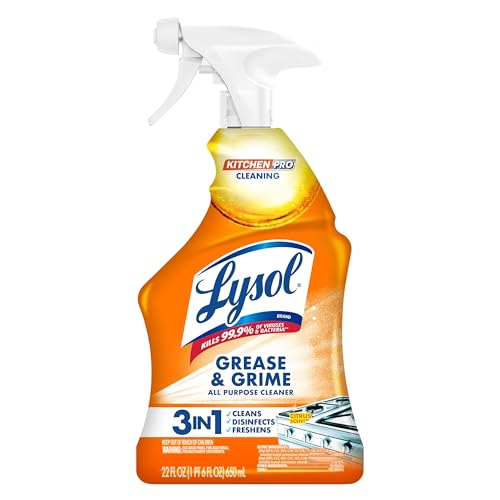
ELIMINATES 99.9% OF KITCHEN VIRUSES AND BACTERIA INCLUDNG SALMONELLA AND E.COLI: Lysol Pro Kitchen Cleaner is tested and proven to eliminate 99.9% of viruses and bacteria* (when used as directed). EPA Reg #777-91.

40 YEARS OF FINISHING EXPERTISE – Created by second-generation kitchen specialists who understand the science of wood finishes. Our professional kitchen cabinet cleaner is specially designed as a safe wood cabinet cleaner that protects finishes while cleaning.
Natural Cleaners
- Vinegar Solution: Mix equal parts water and white vinegar in a spray bottle. This solution cuts through grease without harsh chemicals. Spray on cabinets, let sit, and wipe with a soft cloth.
- Baking Soda Paste: Combine baking soda with a small amount of water to form a paste. Apply it to stained areas, allowing it to sit for a few minutes before scrubbing gently with a soft sponge.
- Olive Oil: For wood cabinets, apply a few drops of olive oil to a clean cloth. Buff lightly to restore shine and create a protective layer. Remember to wipe off any excess to avoid greasiness.
Commercial Cleaners
- All-Purpose Cleaners: Look for a brand labeled safe for kitchen use. These products typically cut through tough grease easily. Spray directly on the cabinet surface and wipe with a microfiber cloth.
- Grease Cutters: For particularly greasy cabinets, opt for a specialized grease-cutting cleaner. Follow the instructions on the label for safe and effective use.
- Wood Conditioners: For wood cabinets, invest in a quality wood conditioner. It not only cleans but also nourishes the wood, preventing drying and cracking. Apply according to package directions for best results.
Choose the right product based on your cabinet material and the nature of the grime. Always check the label to ensure compatibility and safety for food areas.
How to Properly Clean Your Kitchen Cabinets
Cleaning your kitchen cabinets can restore their shine and maintain a healthy environment. Follow these steps for effective results.
Step-by-Step Cleaning Process
- Gather your supplies. You’ll need a mild dish soap, water, a soft cloth, and a non-toxic cleaning product. For tough stains, consider a specialized cleaner.
- Remove items from cabinets. Clear the surfaces to make cleaning easier and more thorough.
- Prepare your cleaning solution. Mix warm water with a few drops of mild dish soap in a bowl.
- Wipe down the cabinets. Dip your cloth into the soap solution, wring it out, and gently wipe the cabinet surfaces. Start at the top and work your way down.
- Rinse with clean water. Use a separate damp cloth to wipe away any soap residue.
- Dry the cabinets. Immediately dry the surfaces with a clean, dry cloth to prevent streaks.
- Address tough stains. For stubborn spots, apply your chosen cleaner according to the manufacturer’s instructions, and use a soft-bristled brush or cloth to gently scrub.
Tips for Avoiding Damage
- Test cleaners in an inconspicuous area. Always check a small, hidden section of your cabinet before using a new cleaner to ensure compatibility.
- Avoid abrasive scrubbers. Use soft cloths or sponges. Scrubbing pads can scratch and damage surfaces.
- Steer clear of ammonia-based cleaners. These can harm finishes on wood and laminate cabinets.
- Don’t soak cabinets. Excess moisture can lead to warping. Always wring out your cloth thoroughly before wiping.
- Use protective oils on wood. Applying a wood conditioner or mineral oil post-cleaning can help maintain your wood cabinets’ appearance and prevent drying.
By following these guidelines, you can effectively clean your kitchen cabinets while preserving their finish and extending their lifespan.
Conclusion
Choosing the right product to clean your kitchen cabinets can make all the difference. By understanding your cabinet’s material and the type of grime you’re dealing with you can select a cleaner that works effectively without causing damage.
Whether you opt for natural solutions like vinegar and baking soda or go for specialized commercial cleaners it’s important to prioritize safety and effectiveness. Remember to always check labels for compatibility and safety especially in areas near food.
With the right approach and products you’ll not only restore your cabinets’ shine but also help them last longer. Happy cleaning!
Frequently Asked Questions
What causes kitchen cabinets to become dirty?
Kitchen cabinets can accumulate dirt from cooking, greasy splashes, spills, and fingerprints. Over time, this build-up leads to a dull appearance, making it essential to clean them regularly.
How do I choose the right cleaner for my cabinets?
Choosing the right cleaner involves understanding your cabinet material. Wood cabinets require gentle cleaners like mild soap, while laminate can handle vinegar-water solutions. Always read labels to ensure compatibility.
Are there any cleaners I should avoid?
Yes, avoid abrasive and ammonia-based cleaners, as they can damage cabinet finishes. Opt for non-toxic, food-safe products, especially for areas near food.
What natural cleaning solutions can I use?
Effective natural solutions include vinegar and water for laminate, baking soda paste for tough grime, and olive oil for polishing wood cabinets. They are safe and often readily available.
How often should I clean my kitchen cabinets?
It’s best to clean kitchen cabinets every few months or as needed, especially in high-traffic cooking areas to prevent excessive build-up of grease and dirt.
What is the best method to clean kitchen cabinets?
Start by gathering supplies, removing items from cabinets, and preparing a mild soap solution. Wipe down surfaces gently, rinse, and dry completely to avoid streaks.
Can I use the same cleaner for all cabinet types?
No, it’s important to use cleaners suited for specific cabinet materials. Wood and laminate respond to different cleaning methods, so always check compatibility.
How can I protect my wood cabinets after cleaning?
After cleaning, consider applying a protective oil to wood cabinets to maintain their appearance and prevent drying. This helps enhance their finish and prolong their lifespan.
