
Key Takeaways
- Understanding Grease Buildup: Greasy kitchen cabinets are primarily caused by cooking methods, food preparation, lack of ventilation, and high humidity, leading to odors and bacteria accumulation.
- Importance of Regular Cleaning: Consistent cleaning maintains cabinet aesthetics, preserves the finish, reduces allergens, and prevents tough stains from forming.
- Natural Cleaning Solutions: Effective natural cleaners include vinegar, baking soda, Castile soap, and lemon juice, offering non-toxic options for tackling grease.
- Commercial Cleaners: For stubborn grease, consider using degreasing sprays, all-purpose cleaners, wipes, or grease-fighting foams for quick and efficient cleaning.
- Step-by-Step Cleaning Process: Proper cleaning involves gathering supplies, emptying cabinets, dusting surfaces, applying cleaner, scrubbing gently, and drying thoroughly.
- Preventive Measures: Implementing routine maintenance, installing a range hood, using splatter screens, and ensuring good ventilation can significantly minimize grease accumulation on cabinets.
Are your kitchen cabinets looking a bit grimy and greasy? You’re not alone. Many people struggle with the buildup of cooking oils and food splatters that can make even the most beautiful cabinets seem dull.
Understanding Greasy Kitchen Cabinets
Greasy kitchen cabinets occur when cooking oils and food splatters accumulate over time. This buildup not only dulls the appearance of your cabinets but can also trap odors and bacteria.
Causes of Grease Buildup
Various factors contribute to grease buildup on kitchen cabinets:
- Cooking Methods: Frying and sautéing release significant amounts of oil into the air. This oil settles on surfaces, leading to grime.
- Food Preparation: Preparing food releases splatters that can adhere to cabinet surfaces, especially when using sauces or oils.
- Lack of Ventilation: Poor ventilation traps grease and smoke, allowing it to settle on cabinets.
- Humidity Levels: High humidity can make grease more viscous, causing it to stick to surfaces more readily.
Importance of Regular Cleaning
Regular cleaning plays a crucial role in maintaining the appearance and hygiene of your kitchen cabinets:
- Preserves Finish: Consistent cleaning prevents buildup from damaging the cabinet finish, extending its lifespan.
- Reduces Allergens: Cleaning removes allergens, such as dust and mold, fostering a healthier kitchen environment.
- Enhances Aesthetics: Regular maintenance keeps cabinets looking brand new, enhancing the overall kitchen appeal.
- Prevents Tough Stains: Addressing grease and grime promptly stops stains from becoming permanently ingrained, making future cleaning easier.
By understanding the causes and importance of cleaning greasy kitchen cabinets, you can take proactive steps to keep your kitchen looking its best.
Effective Cleaning Methods
Greasy kitchen cabinets require efficient cleaning methods. Consider both natural and commercial options that suit your preferences and the level of grease buildup.
Natural Cleaners
Natural cleaners can effectively tackle grease without harsh chemicals. Here are some reliable choices:
- Vinegar: Mix equal parts of vinegar and water in a spray bottle. Spray the solution onto the cabinets, let it sit for a few minutes, then wipe clean with a microfiber cloth.
- Baking Soda: Create a paste using baking soda and water. Apply it to greasy spots, let it sit for 15 minutes, then scrub gently for best results.
- Castile Soap: Combine a few drops of liquid Castile soap with warm water. Use a soft cloth to wipe down the cabinets, rinsing with clean water afterward.
- Lemon Juice: Mix lemon juice with water for a fresh scent and grease cutting power. Apply it with a cloth, then rinse well to avoid residue.
Commercial Cleaners
Commercial cleaners offer a quick solution for stubborn grease. When choosing a product, look for the following:
- Degreasing Spray: Select a degreaser specifically designed for kitchen surfaces. Spray onto the affected areas, let it sit for a few minutes, then wipe off with a damp cloth.
- All-Purpose Cleaner: Use an all-purpose cleaner labeled safe for wood and laminate surfaces. Follow the manufacturer’s instructions for application.
- Wipes: Consider wipes for convenience. They provide instant cleaning without needing additional tools, making them ideal for quick touch-ups.
- Grease-Fighting Foams: These products cling to surfaces, allowing for longer contact time. Apply the foam, scrub lightly, and wipe away residue for a thorough clean.
Select the method that fits your environment and preferences. Consistent cleaning routines can prevent the buildup of grease and keep your kitchen cabinets looking fresh.
Step-by-Step Cleaning Guide
Cleaning greasy kitchen cabinets involves preparation and a straightforward cleaning process. Follow these simple steps to restore your cabinets to their original shine.
Recommended Products
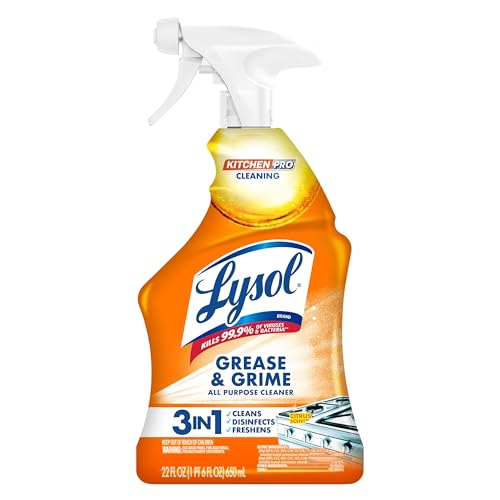
ELIMINATES 99.9% OF KITCHEN VIRUSES AND BACTERIA INCLUDNG SALMONELLA AND E.COLI: Lysol Pro Kitchen Cleaner is tested and proven to eliminate 99.9% of viruses and bacteria* (when used as directed). EPA Reg #777-91.
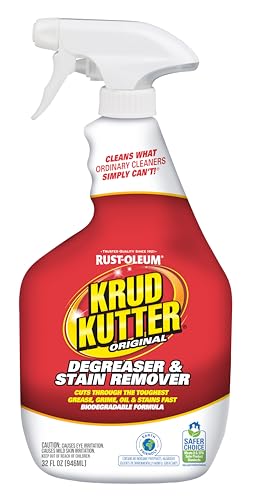
Heavy Duty Degreasing Performance: Helps break down grease, oil, grime, wax, and tough stains across a wide range of surfaces

CABINET & FURNITURE CLEANER: Removes dirt, grime & grease buildup
Preparation
- Gather Supplies: Collect necessary cleaning supplies, including natural cleaners like vinegar and baking soda or commercial degreasers. Use a sponge, soft cloth, or scrub brush for application, and have an old towel ready for drying.
- Empty Cabinets: Remove all items from your cabinets. This not only gives you access to all surfaces but also ensures a thorough cleaning.
- Dust Surfaces: Use a dry cloth to dust the cabinet surfaces. Dust can mix with your cleaner, creating a mess.
Cleaning Process
- Choose a Cleaner: If using a natural cleaner, mix one part vinegar with one part water. For commercial cleaners, follow the manufacturer’s instructions.
- Test a Small Area: Apply the cleaner to a small, inconspicuous area first. This prevents damage or discoloration.
- Apply Cleaner: Use a sponge or cloth to apply the cleaner to the greasy cabinets. Work in sections, applying enough cleaner to dissolve the grease.
- Scrub Gently: For tough spots, use a soft scrub brush or sponge. Avoid abrasive materials which can scratch the finish.
- Wipe Down Surfaces: After scrubbing, wipe the cabinets with a clean, damp cloth to remove any residue.
- Dry Thoroughly: Use a separate towel to dry the surfaces. This helps prevent water spots and moisture damage.
- Replace Items: Once the cabinets are clean and dry, return your items neatly. Organizing as you replace them can keep your kitchen tidy.
Following these steps consistently keeps your kitchen cabinets looking fresh and appealing.
Preventive Measures
Maintaining clean kitchen cabinets starts with preventive measures. You can significantly reduce grease buildup by implementing effective strategies.
Recommended Products

GREASE CHARCOAL FILTER COMBO: This charcoal grease filter combo will protect your hood from grease while at the same time filtering out odors through its activated charcoal layer.

GREASE CHARCOAL FILTER COMBO: This charcoal grease filter combo will protect your hood from grease while at the same time filtering out odors through its activated charcoal layer.

HIGHLY ADAPTALBE:Suitable for models such as Br-oan, Ken-more, May-tag, Jenn-Air, Ama, Magic Chef, Admiral, Nor-ge, Roper, and etc. replaces parts: 97007996, WB2X10700, 50187, 97005687, 5-3082, 51113711, 99010123, 88152, 97007576, 97007697, C88152, RF104, S97007696, etc
Routine Maintenance
Maintain a consistent cleaning schedule. Wipe down cabinets weekly with a damp cloth to remove dust and grease. Use warm, soapy water or a mild cleaner. Make this routine quick to keep cabinets looking fresh without overwhelming yourself.
Tips for Reducing Grease Accumulation
- Install a range hood. A quality range hood captures cooking vapors and limits grease spread.
- Use splatter screens. These useful tools prevent oil and food from reaching cabinet surfaces while cooking.
- Ventilate regularly. Open windows or turn on exhaust fans during cooking to decrease humidity and vapor buildup.
- Avoid high-heat cooking. When possible, use lower temperatures to reduce smoke and grease dispersion.
By sticking with these preventive measures, you’ll help keep your kitchen cabinets grease-free and ready for action.
Conclusion
Keeping your kitchen cabinets clean doesn’t have to be a daunting task. With the right approach and a bit of regular maintenance you can easily tackle grease and grime. Whether you choose natural cleaners or commercial products it’s all about finding what works best for you.
Establishing a consistent cleaning routine will not only enhance the look of your cabinets but also prolong their life. Remember to incorporate preventive measures to minimize grease buildup. By making these small changes you’ll enjoy a fresher and more inviting kitchen space. Happy cleaning!
Frequently Asked Questions
How do kitchen cabinets get greasy?
Kitchen cabinets become greasy mainly due to cooking methods like frying, splatters during food preparation, poor ventilation, and high humidity levels. Over time, this buildup makes cabinets appear dull and unattractive.
Why is it important to clean kitchen cabinets regularly?
Regular cleaning preserves the finish of cabinets, reduces allergens, enhances the kitchen’s appearance, and prevents tough, long-lasting stains. A clean kitchen contributes to a healthier cooking environment.
What are some natural methods to clean greasy kitchen cabinets?
Effective natural methods include using vinegar, baking soda, Castile soap, and lemon juice. These ingredients can clean without harsh chemicals, making them safe for your kitchen surfaces.
What commercial products can I use to clean kitchen cabinets?
Commercial options include degreasing sprays, all-purpose cleaners, wipes, and grease-fighting foams. These products provide quick solutions for greasy buildup and are easy to apply.
How often should I clean my kitchen cabinets?
It’s best to establish a consistent cleaning routine, such as wiping down cabinets weekly with a damp cloth and mild cleaner, to prevent grease accumulation and maintain their appearance.
What preventive measures can I take to avoid greasy cabinets?
To reduce grease buildup, consider installing a range hood, using splatter screens, ventilating your kitchen regularly, and avoiding high-heat cooking methods. These steps will help keep your cabinets cleaner for longer.
