
Key Takeaways
- Understanding Grease Buildup: Grease on kitchen cabinets is mainly caused by cooking oils, steam, and spices. Regular cleaning helps prevent accumulation and maintain a tidy kitchen.
- Signs of Dirty Cabinets: Look for dull surfaces, stickiness, and visible smudges to determine when your cabinets need cleaning.
- Importance of Clean Cabinets: Maintaining clean cabinets not only enhances aesthetics but also promotes hygiene by reducing bacteria and pest attraction.
- Effective Cleaning Tools: Use microfiber cloths, mild detergents, baking soda, and vinegar to effectively tackle grease without damaging surfaces.
- Homemade Cleaning Solutions: Simple mixtures like vinegar and water or baking soda paste can efficiently remove grease without relying on harsh chemicals.
- Tailored Techniques for Materials: Different cabinet materials require specific cleaning methods to avoid damage; always test solutions on a hidden area first.
Have you ever stood in front of your kitchen cabinets, wondering how to tackle that stubborn grease? You’re not alone. Many of us face this common kitchen dilemma, where cooking splatters leave our cabinets looking less than pristine.
Understanding Greasy Kitchen Cabinets
Greasy kitchen cabinets often result from cooking splatters and steam. These build-ups can make your kitchen look untidy and can attract dirt. Regular cleaning prevents grease accumulation, keeping your cabinets looking fresh and clean.
Common Causes of Grease Buildup
- Cooking Oils: When frying or sautéing, oils can splatter onto surfaces, creating a sticky residue.
- Steam: Moisture from boiling or simmering food can carry particles that settle on cabinets.
- Spices and Seasonings: Some spices can create a fine dust that clings to surfaces, contributing to greasiness.
Signs Your Cabinets Need Cleaning
- Dull Appearance: Cabinets lose shine and look dirty.
- Sticky Surfaces: Grease makes cabinets feel tacky or sticky to the touch.
- Visible Smudges: Fingerprints and stains are easily noticeable.
Impact of Dirty Cabinets
Dirty cabinets can affect not just aesthetics but also hygiene. Greasy surfaces can harbor bacteria and attract pests. Maintaining cleanliness ensures a healthier cooking environment.
Tools for Cleaning Greasy Cabinets
- Microfiber Cloths: Great for trapping dust and grease.
- Mild Detergent: A simple dish soap mixed with water effectively cuts through grease.
- Baking Soda: Acts as a gentle abrasive to lift tough grime.
- Vinegar: Natural degreaser helps break down oily residues.
Understanding the nature of grease and grime on your kitchen cabinets equips you to tackle this common household challenge effectively.
Common Causes of Grease Buildup
Grease buildup on kitchen cabinets often stems from a few common sources.
Cooking Methods
Frying foods generates significant oil splatter. When you use high-heat methods, like sautéing, the steam and oils easily cling to surfaces. Grilling indoors can also create sticky residue that settles on cabinets. Even boiling food releases steam that carries tiny droplets of grease. Consider covering pans to minimize exposure and reduce buildup.
Environmental Factors
Kitchen layouts play a role in grease accumulation. Open-concept designs allow smoke and odors to circulate, depositing grease on nearby surfaces. Poor ventilation increases the likelihood of grease settling on your cabinets. Regularly checking and cleaning range hoods or exhaust fans can help mitigate these issues. Dust and humidity also contribute. Dust settles on greasy surfaces, making cabinets look worse. High humidity can cause steam to linger, making grease stickier. Keep the kitchen well-ventilated to reduce moisture and improve air circulation.
Cleaning Solutions for Greasy Cabinets
Cleaning greasy kitchen cabinets can be straightforward with the right solutions. Here are effective options to tackle that stubborn grease.
Recommended Products
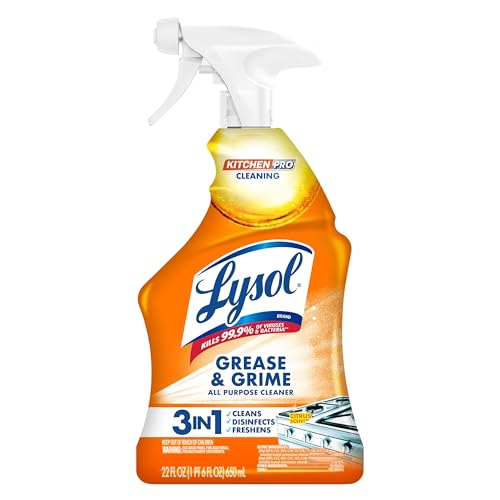
ELIMINATES 99.9% OF KITCHEN VIRUSES AND BACTERIA INCLUDNG SALMONELLA AND E.COLI: Lysol Pro Kitchen Cleaner is tested and proven to eliminate 99.9% of viruses and bacteria* (when used as directed). EPA Reg #777-91.
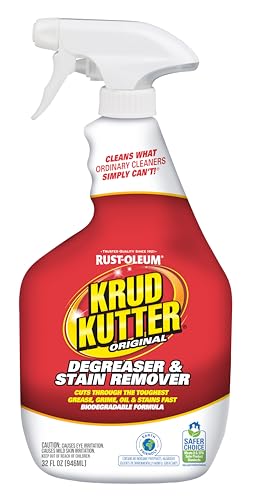
Heavy Duty Degreasing Performance: Helps break down grease, oil, grime, wax, and tough stains across a wide range of surfaces

CABINET & FURNITURE CLEANER: Removes dirt, grime & grease buildup
Homemade Remedies
Homemade solutions are cost-effective and easy to make. Here are some effective options:
- Vinegar and Water: Combine equal parts water and white vinegar in a spray bottle. Spray the mixture on the cabinets, let it sit for a few minutes, then wipe with a microfiber cloth. This solution cuts through grease and deodorizes the surface.
- Baking Soda Paste: Mix three parts baking soda with one part water to create a thick paste. Apply it to greasy areas and let it sit for 10-15 minutes. Scrub gently with a sponge to lift the grease, then wipe clean with a damp cloth.
- Dish Soap Solution: Mix a few drops of mild dish soap with warm water. Dip a cloth into the solution, wring it out, and wipe down your cabinets. Rinse with water and dry to avoid streaks.
Store-Bought Products
Sometimes, you may prefer ready-made solutions. Here are effective store-bought options:
- Degreasers: Look for heavy-duty degreasers designed for kitchen use. Apply according to the product’s instructions, usually spraying and wiping with a cloth.
- All-Purpose Cleaners: Opt for all-purpose cleaners that specify effectiveness on grease. These products often combine various cleaning agents to tackle grime easily.
- Kitchen Wipes: Use disposable kitchen wipes pre-soaked in cleaning solution for quick cleanups. Simply grab a wipe, scrub the surface, and discard it.
Effective Cleaning Techniques
Cleaning greasy kitchen cabinets requires specific methods to restore their appearance and hygiene. Employ these effective techniques to tackle the grime.
Step-by-Step Guide
- Gather Supplies: Collect microfiber cloths, mild detergent, baking soda, vinegar, and warm water.
- Prepare Cleaning Solution: Mix equal parts vinegar and water in a spray bottle or use a few drops of mild detergent in warm water.
- Apply Solution: Spray the solution directly onto the greasy areas of the cabinet. If using the soapy water, dampen a cloth and wipe the surfaces.
- Scrub Gently: For stubborn grease, sprinkle baking soda on the wet cloth before scrubbing. The combination of baking soda and water effectively loosens the grime.
- Rinse and Wipe: Use a clean, damp cloth to remove any residue from the cleaning solution. Make sure to rinse the cloth frequently.
- Dry Thoroughly: Dry the cabinets with a clean, dry cloth to prevent water spots and keep the surfaces looking fresh.
Tips for Different Cabinet Materials
- Wood Cabinets: Test any cleaning solution on a hidden area to ensure it doesn’t damage the finish. Use a soft cloth and avoid excessive moisture.
- Laminate Cabinets: Use a mild detergent solution. Excessive scrubbing can lead to scratches, so focus on gentle cleaning.
- Metal Cabinets: Heavy-duty degreasers work well. Ensure thorough rinsing to remove any cleaner residue since it can lead to corrosion.
- Painted Cabinets: Avoid abrasive cleaners. Use a soft cloth with vinegar and water for effective cleaning without damaging the paint.
By following these techniques, you can restore the sparkle to your kitchen cabinets, ensuring they remain both aesthetically pleasing and free of unwanted bacteria.
Conclusion
Cleaning greasy kitchen cabinets doesn’t have to be a daunting task. With the right tools and techniques, you can tackle that stubborn grease and bring back the shine to your cabinets. Remember to choose a method that works best for your cabinet material and always test any cleaner in a small area first.
Regular maintenance can go a long way in preventing grease buildup. By incorporating simple habits like covering pans while cooking and ensuring good ventilation, you’ll keep your kitchen looking fresh and inviting. So roll up your sleeves and enjoy the satisfaction of transforming your kitchen space into a cleaner and more welcoming environment. Happy cleaning!
Frequently Asked Questions
What causes grease buildup on kitchen cabinets?
Grease buildup on kitchen cabinets is primarily caused by cooking methods, especially frying, sautéing, and boiling. These techniques generate oil splatter and steam that cling to surfaces. Additionally, environmental factors like poor ventilation and open-concept layouts can also contribute to grease accumulation by allowing smoke and odors to circulate.
How can I tell if my kitchen cabinets need cleaning?
Signs that your kitchen cabinets need cleaning include a dull appearance, sticky surfaces, and visible smudges. If you notice any of these signs, it’s time to clean them to maintain both aesthetic appeal and hygiene in your kitchen.
What are some effective homemade cleaning solutions for greasy cabinets?
Homemade cleaning solutions for greasy cabinets include a mixture of vinegar and water, a baking soda paste, and a dish soap solution. These cost-effective options are easy to prepare and can effectively cut through grease without harsh chemicals.
Are there store-bought products for cleaning greasy cabinets?
Yes, there are several store-bought products designed to tackle greasy cabinets. Effective options include heavy-duty degreasers, all-purpose cleaners, and disposable kitchen wipes. These products can provide a quick and easy way to restore cleanliness to your cabinets.
What cleaning techniques should I use for greasy cabinets?
To clean greasy cabinets effectively, gather your supplies, prepare a cleaning solution, and apply it to greasy areas. Gently scrub the surfaces, rinse thoroughly, and dry. Make sure to choose the right cleaning method based on your cabinet material, like wood or laminate.
Why is it important to maintain clean kitchen cabinets?
Maintaining clean kitchen cabinets is essential for both aesthetic reasons and hygiene. Dirty surfaces can harbor bacteria and attract pests, which can lead to health risks. Regular cleaning keeps your kitchen looking fresh and helps create a safe cooking environment.
