
Key Takeaways
- Prioritize Key Areas: Focus on cleaning essential spots in the kitchen such as countertops, sinks, appliances, and storage spaces to maintain cleanliness and hygiene.
- Establish Daily and Weekly Routines: Implement quick daily tasks for regular maintenance and more thorough weekly cleaning to keep your kitchen spotless and organized.
- Utilize Effective Cleaning Techniques: Use appropriate methods for different surfaces, and opt for non-abrasive cleaners to prevent damage to your kitchen items.
- Incorporate Eco-Friendly Solutions: Consider using natural cleaning products like white vinegar and baking soda to minimize chemical exposure while effectively cleaning your kitchen.
- Regularly Declutter and Organize: Keep kitchen surfaces clear of clutter and organize drawers for easy access, enhancing both functionality and cleanliness.
Ever looked around your kitchen and wondered where to start with cleaning? You’re not alone. It can feel overwhelming with so many surfaces and appliances needing attention.
Essential Kitchen Cleaning Areas
Cleaning the kitchen involves specific areas that require attention. Focus on these key spots to maintain a spotless environment.
Countertops and Surfaces
Clean countertops and surfaces daily to prevent bacteria buildup. Wipe them down with a disinfectant spray or a mixture of vinegar and water. Pay special attention to corners, edges, and seams. For stone surfaces, opt for pH-balanced cleaners. Regularly declutter by removing unnecessary items to streamline your cleaning process.
Sinks and Faucets
Sinks and faucets collect grime and hard water stains. Scrub the sink basin with a soft brush and a non-abrasive cleaner. Don’t forget to clean the faucet handle and surrounding areas to remove fingerprints. For polished faucets, a microfiber cloth helps to restore shine and remove spots. Rinse thoroughly after cleaning to remove any residue.
Appliances
Appliances need regular cleaning to function effectively. Wipe down the exterior of your refrigerator, microwave, and oven weekly with a damp cloth. Inside, remove spills and crumbs from the refrigerator, while the microwave benefits from steaming with lemon juice and water to loosen grime. For the oven, use a commercial cleaner or a baking soda paste to tackle tough stains. Keep appliance surfaces clear of clutter for easier cleaning.
Deep Cleaning Checklist
A deep clean keeps your kitchen fresh and hygienic. Use this checklist to ensure no area is overlooked.
Recommended Products

Mrs. Meyer’s Baking Soda Cream Cleaner removes soap scum and grease build-up to make your kitchen sparkle
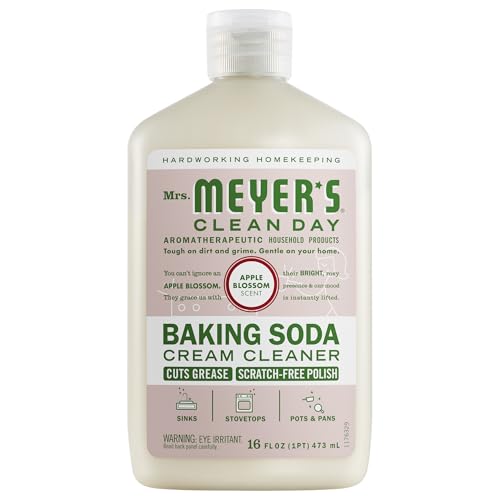
Mrs. Meyer’s Baking Soda Cream Cleaner removes soap scum and grease build-up to make your kitchen sparkle

VERSATILE CLEANER: Natural baking soda formula effectively cleans multiple household surfaces and appliances with powerful cleaning action
Oven and Stovetop
- Remove grates and burner caps: Soak them in hot, soapy water for easy cleaning.
- Clean the stovetop: Use a glass cleaner or a mixture of vinegar and water. Wipe down thoroughly.
- Scrub the oven interior: Apply a commercial oven cleaner or a baking soda paste. Let it sit, then scrub and rinse.
Refrigerator and Freezer
- Empty contents: Remove food items, checking for expiration dates.
- Clean shelves and bins: Use warm, soapy water. Remove and wash shelves, if possible.
- Defrost freezer: If frost builds up, unplug and let it melt. Wipe down afterward.
Cabinets and Drawers
- Wipe cabinet fronts: Use a suitable wood or surface cleaner. Focus on sticky spots and fingerprints.
- Organize contents: Remove items from drawers. Toss expired goods and reorganize neatly.
- Spot-clean inside areas: Wipe down with a damp cloth. Pay attention to corners and hidden spots.
Daily vs. Weekly Cleaning Tasks
Cleaning your kitchen regularly helps maintain a hygienic environment. This section outlines quick daily routines and in-depth weekly tasks to keep your kitchen spotless.
Recommended Products

ALL PURPOSE CLEANER KILLS 99.9% OF VIRUSES and BACTERIA: Lysol All Purpose disinfectant spray kills 99.9% of viruses and bacteria including the COVID-19 virus to help keep your family protected

ALL PURPOSE CLEANER KILLS 99.9% OF VIRUSES and BACTERIA: Lysol All Purpose disinfectant spray kills 99.9% of viruses and bacteria including the COVID-19 virus to help keep your family protected

LYSOL ALL PURPOSE CLEANER SPRAY: Lysol All Purpose Cleaner kills 99.9% of viruses and bacteria including the Covid-19 virus and Norovirus*
Quick Daily Cleaning Routine
- Wipe Down Surfaces: Clean countertops and tables with a disinfectant spray. This prevents germs from spreading, especially after meal prep.
- Clean Sinks: Rinse out and scrub your sink. Use a sponge with dish soap to tackle any stains or food residues.
- Load the Dishwasher: Place dirty dishes in the dishwasher promptly. This keeps counters clear and reduces pests.
- Sweep the Floor: Use a broom or vacuum to remove crumbs and spills. Daily sweeping maintains a tidy appearance.
- Take Out Trash: Empty the trash bins daily. This stops odors and keeps pests away.
In-Depth Weekly Cleaning Tasks
- Deep Clean Appliances: Wipe down the microwave, refrigerator, and oven. Use a mixture of vinegar and water for general cleaning. For tough stains, a commercial cleaner can help.
- Scrub Floors: Mop the floors to eliminate sticky spots. Use a suitable floor cleaner for your flooring type.
- Dust Cabinets and Shelves: Use a microfiber cloth to remove dust, which accumulates over time. Don’t forget to tackle cabinet tops.
- Clean Out the Refrigerator: Empty all contents and check expiration dates. Wipe shelves and drawers. Disinfecting prevents the buildup of spills and odors.
- Organize Drawers: Sort utensils and kitchen gadgets. Keep frequently used items at the front for easy access.
Following these daily and weekly routines ensures your kitchen remains clean and inviting.
Tips for Effective Kitchen Cleaning
Effective kitchen cleaning requires the right approach and tools. Here are tips to ensure your kitchen stays clean and organized.
Best Cleaning Products to Use
Choosing the right cleaning products boosts efficiency. Consider using:
- All-Purpose Cleaners: Versatile and effective for multi-surface cleaning.
- Glass Cleaners: Ideal for windows and shiny surfaces, leaving no streaks behind.
- Baking Soda: Great for scrubbing tough stains and odors.
- White Vinegar: An excellent disinfectant that removes grease and mineral deposits.
- Disinfectant Wipes: Convenient for quick cleanups and eliminating germs.
Select products based on the surfaces you’re cleaning. Always check labels for specific usage instructions.
Eco-Friendly Cleaning Solutions
Using eco-friendly cleaning solutions benefits both your kitchen and the environment. Some effective options include:
- White Vinegar and Water: Mix equal parts for a natural disinfectant.
- Baking Soda Paste: Combine baking soda with water for a gentle abrasive cleaner.
- Lemon Juice: Use its acidity to cut through grease.
- Castile Soap: A plant-based soap that works well for various cleaning tasks.
These solutions are safe for food prep areas and reduce chemical exposure. Test on a small area first to ensure compatibility.
Conclusion
Keeping your kitchen clean doesn’t have to be a daunting task. By breaking it down into manageable daily and weekly routines you can create a space that feels fresh and inviting. Remember to focus on those key areas like countertops sinks and appliances to maintain hygiene and prevent buildup.
Using the right cleaning products and techniques can make a world of difference. Whether you opt for eco-friendly solutions or your favorite all-purpose cleaners you’ll find that a little effort goes a long way. So grab your cleaning supplies and enjoy the satisfaction of a sparkling kitchen. You’ve got this!
Frequently Asked Questions
What areas should I focus on while cleaning my kitchen?
To maintain a clean kitchen, prioritize countertops and surfaces, sinks and faucets, and appliances like the refrigerator, microwave, and oven. Daily cleaning of these areas helps prevent bacteria buildup and grime.
How often should I deep clean my kitchen?
Aim to deep clean your kitchen at least once a month. However, incorporate daily and weekly tasks to ensure your space remains hygienic. Regular upkeep makes deeper cleans more manageable.
What cleaning products are best for the kitchen?
Use all-purpose cleaners, glass cleaners, baking soda, white vinegar, and disinfectant wipes. Choose products based on the specific surfaces you are cleaning for optimal results.
How can I make my kitchen cleaning routine more efficient?
Create a checklist of daily and weekly tasks to streamline your routine. Organize your tools and cleaning supplies, and tackle one area at a time to avoid feeling overwhelmed.
Can I use eco-friendly products for kitchen cleaning?
Yes! Eco-friendly solutions like a vinegar and water mixture, baking soda paste, and Castile soap are effective for cleaning kitchen surfaces and safe for food preparation areas.
