
Key Takeaways
- Material-Specific Cleaning: Different materials (wood, laminate, metal) require tailored cleaning approaches to avoid damage and maintain appearance.
- Regular Maintenance: Establish a cleaning routine — quick weekly wipes for high-traffic areas and a deep clean monthly to prevent grime buildup.
- Natural vs. Commercial Cleaners: Use eco-friendly options like vinegar and water or baking soda paste for safe cleaning, while also considering non-toxic commercial cleaners for convenience.
- Effective Techniques: Employ circular motions while cleaning to lift dirt without scratching surfaces and ensure to dry thoroughly to prevent additional grime.
- Inspection and Immediate Care: Regularly inspect cupboard doors for wear or damage, addressing any issues promptly to extend their lifespan.
- Family Involvement: Engage family members in cleaning tasks to promote a shared responsibility for kitchen cleanliness and instill good habits.
Ever stared at your kitchen cupboard doors and wondered how to make them shine again? You’re not alone. Grease, fingerprints, and spills can turn even the cleanest kitchens into a mess over time. It’s frustrating when you want a spotless look but aren’t sure what products to use.
Overview of Kitchen Cupboard Doors
Kitchen cupboard doors often collect dirt, grease, and fingerprints. These elements cause them to look unkempt over time. Regular cleaning maintains their appearance and hygiene.
Types of Materials
Cupboard doors come in various materials. Each type may require different cleaning methods:
- Wood: Wood doors need gentle cleaners to avoid damage. Use a mix of warm water and mild detergent on a soft cloth.
- Laminate: Laminate surfaces resist stains and moisture. Wipe them down with a solution of vinegar and water for a thorough clean.
- Metal: Stainless steel doors can show smudges. Clean them with a specialized stainless steel cleaner for a streak-free shine.
Cleaning Frequency
Clean cupboard doors regularly to prevent buildup. Choose a schedule that works for you:
- Weekly: Give high-traffic areas, like around the stove, a quick wipe.
- Monthly: Deep clean all cupboard doors to remove grime.
Essential Cleaning Supplies
Gather essential tools and supplies before starting. Recommended items include:
- Microfiber cloths: Non-abrasive and effective for all surfaces.
- All-purpose cleaner: Works well on most materials.
- Spray bottle: For easy application of homemade cleaners.
Safe Cleaning Methods
Choose cleaning methods that won’t harm surfaces. For most doors, use:
- Damp cloths: Avoid excess moisture, as it can damage wood and laminate.
- Natural cleaners: Ingredients like vinegar and baking soda are safe and effective.
Adhering to these approaches keeps your kitchen looking its best. Regular attention to your cupboard doors enhances both cleanliness and aesthetic appeal.
Recommended Cleaning Solutions
Choose effective cleaning solutions to maintain your kitchen cupboard doors. The right products help keep them looking great while ensuring hygiene.
Natural Cleaners
Use natural cleaners for a safe, eco-friendly approach. Here are some popular options:
- Vinegar and Water: Mix equal parts of white vinegar and water in a spray bottle. This solution removes grease and grime effectively. Spray on the doors, let it sit for a few minutes, and wipe with a microfiber cloth.
- Baking Soda Paste: Combine baking soda with water to create a paste. Apply the paste to stubborn stains, scrub gently, and rinse with a damp cloth. This method works well on various surfaces without causing damage.
- Olive Oil: For wood cupboards, apply a small amount of olive oil on a cloth and wipe the doors. This technique cleans and conditions the wood, enhancing its shine.
Commercial Products
If you prefer ready-made solutions, consider these commercial products:
- All-Purpose Cleaners: Choose non-toxic all-purpose cleaners that are safe for your cupboard materials. Look for brands that specifically mention compatibility with wood, laminate, or metal surfaces.
- Grease Cutters: Select grease-cutting formulas for kitchens. These products effectively tackle heavy grime and sticky residues. Follow the instructions for optimal results.
- Spray-On Furniture Polish: If your cupboards are wooden, use a spray-on furniture polish for added shine. This product not only cleans but also protects against future stains.
Always test any cleaner on a small, inconspicuous area first to ensure compatibility with your cupboard doors. Regular use of these solutions keeps your kitchen looking its best.
Step-by-Step Cleaning Process
Cleaning kitchen cupboard doors requires a systematic approach. Here’s a simple guide to keep your cupboard doors shiny and spotless.
Recommended Products

LINT-FREE ON GLASS: Soft microfiber helps lift dust, smudges, and everyday messes without leaving lint behind, making it a go-to cloth for mirrors, windows, stainless appliances, and quick wipe-downs around the home.
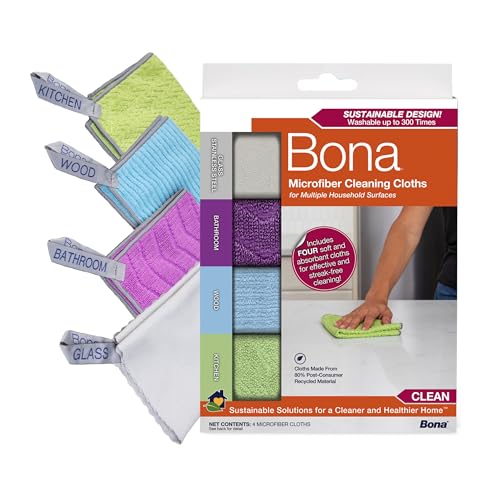
Four unique microfiber cloths for all the surfaces around your home

10x GRIP-ROOT WEAVE - TRAP MORE, WORK LESS: Ultra-absorbent microfiber towels for car Grip Root weave works like PLANT ROOT FOLLICLES, sucking up & LOCKING AWAY 8x to 10x its weight in liquid, particulates, moisture, grime and dirt in far LESS TIME than traditional ‘Heavy Duty’ Cleaning Rags. Each towel features a 2.5mm thick design, providing enhanced durability and better grip during use.
Preparation
- Gather Supplies: Collect all necessary cleaning supplies. You’ll need a microfiber cloth, an all-purpose cleaner (or vinegar and water mix), warm water, and a soft sponge.
- Clear the Area: Remove items from the cupboard doors. This makes cleaning easier and prevents damage to your kitchenware.
- Dust: Wipe down the surfaces with a dry microfiber cloth to remove loose dust and debris. Start from the top and work your way down.
Cleaning Techniques
- Choose Cleaner: Select a compatible cleaner based on the cupboard material. Use eco-friendly options like vinegar and water for laminate or commercial cleaners for oil or grease build-up.
- Dampen Cloth: Moisten your microfiber cloth with the chosen cleaner. Avoid soaking it, as excess liquid can damage wooden cupboards.
- Wipe: Start at the top of the cupboard doors and wipe in circular motions. Apply gentle pressure for effective cleaning, ensuring you reach corners and crevices.
- Focus on Stains: For stubborn stains, use a soft sponge with a bit of baking soda paste. Scrub gently and rinse with a damp cloth afterward.
- Dry: Use a separate dry microfiber cloth to absorb moisture and buff the surface to remove streaks. This enhances shine and prevents water damage.
- Polish Wood: For wooden doors, apply a small amount of olive oil or furniture polish using a clean cloth. Buff to add luster and protect the wood.
By following this step-by-step process, you can keep your kitchen cupboard doors looking clean and maintained. Regular upkeep helps ensure a fresh, inviting kitchen environment.
Tips for Maintaining Clean Cupboard Doors
Regular Cleaning Schedule
Maintain clean cupboard doors by establishing a regular cleaning schedule. Commit to weekly quick wipes using a microfiber cloth and an all-purpose cleaner. Set aside time each month for a more thorough deep clean.
Choose the Right Cleaning Products
Select cleaning products based on the material of your cupboard doors. Use vinegar and water for laminate, while wood requires a gentle cleaner or pure olive oil. Metal doors benefit from a non-abrasive all-purpose cleaner.
Use the Right Techniques
Utilize effective cleaning techniques to avoid damage. When wiping, always move in circular motions to lift dirt without scratching surfaces. For stained areas, apply baking soda paste and scrub gently with a soft sponge.
Dry and Polish
Always dry your cupboard doors after cleaning. A damp surface attracts more dirt. For wooden doors, apply a light coat of furniture polish or olive oil for added shine and protection.
Inspect Regularly
Regularly inspect your cupboard doors for any signs of wear or damage. Addressing issues promptly prevents bigger problems down the road. Look for chipped paint, scratches, or stubborn stains that need special treatment.
Keep Tools Handy
Keep your cleaning supplies close. Designate a specific spot in your kitchen for cleaners, cloths, and sponges. Having everything within reach makes it easier to tackle spills and dirt immediately.
Involving Family Members
Involve your family in keeping the kitchen tidy. Assign tasks based on age and ability, ensuring everyone contributes. Teaching children the importance of cleanliness fosters good habits for the future.
Conclusion
Keeping your kitchen cupboard doors clean doesn’t have to be a chore. By choosing the right cleaning products and techniques for your cupboard materials, you can maintain a fresh and inviting kitchen space.
Regularly wiping down surfaces and scheduling deeper cleans will not only enhance the look of your kitchen but also extend the life of your cupboards. Remember to involve your family in the process to make it a fun and engaging task.
With just a little effort, you’ll enjoy a kitchen that feels bright and welcoming every day. Happy cleaning!
Frequently Asked Questions
What causes dirt to accumulate on kitchen cupboard doors?
Dirt, grease, and fingerprints build up on kitchen cupboard doors due to food preparation and daily use. Cooking splatters and hand contact create messes that can make even a clean kitchen look untidy.
How often should I clean my kitchen cupboard doors?
It’s recommended to do quick wipes weekly and deep cleans monthly. This routine helps maintain the appearance and hygiene of your cupboard doors and prevents dirt from accumulating.
What cleaning supplies do I need for kitchen cupboard doors?
Essential supplies include microfiber cloths, all-purpose cleaners, and natural solutions like vinegar, baking soda, and olive oil. Each material may require specific cleaners, so choose wisely.
How can I clean different materials of cupboard doors?
Wood cupboard doors can be cleaned with vinegar, water, and olive oil for polishing. Laminate doors are best cleaned with mild soap and water, while metal doors can be wiped with an all-purpose cleaner.
Are natural cleaning solutions effective for cupboard doors?
Yes, natural solutions like vinegar and baking soda are effective for cleaning cupboard doors, tackling grease and stains without harsh chemicals. They are safe for most surfaces when used correctly.
What should I do before starting to clean my cupboard doors?
Before cleaning, gather all necessary supplies, clear the area around the cupboards, and dust the surfaces to remove loose debris. This preparation ensures a more effective cleaning process.
How do I prevent damage to my cupboard doors while cleaning?
To prevent damage, always test cleaners on a small, inconspicuous spot first. Use gentle cleaning techniques, like dampening the cloth and wiping in circular motions, particularly for delicate surfaces.
Is it important to dry the cupboard doors after cleaning?
Yes, drying the cupboard doors after cleaning prevents dirt attraction and streaks. For wood doors, consider applying furniture polish or olive oil for added protection and shine.
How can I involve my family in keeping the kitchen clean?
Encourage family members to participate in the cleaning process by assigning specific tasks, like quick wipes or organizing cleaning supplies. This promotes teamwork and helps cultivate cleaner habits for everyone.
