
Key Takeaways
- Types of Paint Matters: Different paint types (oil-based, water-based, chalk, acrylic, and spray) require specific cleaning methods to maintain their appearance and durability.
- Regular Maintenance Is Key: Consistent cleaning prevents grease and dust build-up, ensuring kitchen cabinets stay vibrant and reducing the need for frequent repainting.
- Gentle Cleaning Solutions: Use mild detergents or natural vinegar solutions for effective yet safe cleaning; avoid harsh chemicals that could harm the paint.
- Right Tools Enhance Cleaning: Soft cloths, sponges, and non-abrasive scrubbers are essential for effectively cleaning without scratching the cabinet surface.
- Adopt Proper Techniques: Regularly wipe surfaces and address stains promptly with safe mixtures, and always perform spot tests to prevent damage before using new cleaners.
Have you ever stared at your painted kitchen cabinets and wondered how to keep them looking fresh? It’s a common struggle—grease, fingerprints, and dust can quickly dull their shine. You want your kitchen to feel inviting, but finding the right cleaning method can be tricky.
Understanding Painted Kitchen Cabinets
Painted kitchen cabinets enhance a kitchen’s aesthetic but require specific care to maintain their appearance. Understanding the types of paint used and the importance of proper cleaning helps in sustaining their charm.
Types of Paint Used on Cabinets
- Oil-based paint: Oil-based paints provide a durable finish and resist stains and moisture effectively. They often require mineral spirits for cleaning.
- Water-based paint: Water-based options dry quickly and emit fewer fumes. They clean easily with soap and water, making them popular for kitchen use.
- Chalk paint: Chalk paint offers a matte finish and allows for easy distressing. However, it may need a protective topcoat to resist stains.
- Acrylic paint: Acrylics dry fast and are easy to clean but may not hold up as well in high-traffic areas without a sealant.
- Spray paint: Spray applications give a smooth finish but might require skilled handling to prevent drips.
Importance of Proper Cleaning
Proper cleaning extends the lifespan of painted kitchen cabinets and keeps them looking fresh. Avoid harsh chemicals that can damage the paint. Instead, opt for gentle cleaning solutions like a mix of warm water and mild soap.
- Prevent build-up: Regular cleaning prevents the accumulation of grease and dirt, which can dull the paint.
- Maintain appearance: Consistent care keeps cabinets looking vibrant and new without requiring frequent repainting.
- Avoid damage: Using incorrect cleaning tools or products can scratch or tarnish the finish, leading to costly repairs.
By knowing the right paint types and cleaning methods, you ensure longevity and beauty in your kitchen cabinets.
Recommended Cleaning Solutions
Choosing the right cleaning solution for your painted kitchen cabinets enhances their appearance and longevity. Here are some effective options.
Recommended Products

40 YEARS OF FINISHING EXPERTISE – Created by second-generation kitchen specialists who understand the science of wood finishes. Our professional kitchen cabinet cleaner is specially designed as a safe wood cabinet cleaner that protects finishes while cleaning.

MULTIPURPOSE HOME CLEANER - This is a truly versatile vinegar for cleaning your home, kitchen and bathroom that works on tons of different surfaces including toilets, countertops, tile floors, and even clothes and towels.

Concentrated industrial strength
Mild Detergents
Use mild detergents for a gentle yet effective clean. Mix a few drops of dish soap with warm water for the solution. Apply it with a soft cloth or sponge, focusing on greasy or dirty areas. Rinse with a clean, damp cloth to remove any soap residue. This approach works well on both oil-based and water-based paints.
Vinegar and Water Solution
Combine equal parts vinegar and water for a natural cleaning solution. Vinegar effectively cuts through grime and leaves a streak-free finish. Spray or wipe the mixture onto the cabinets and let it sit for a few minutes. Wipe it down with a microfiber cloth for best results. This solution is ideal for regular maintenance and tackles tough stains without damaging the paint.
Commercial Cleaners
Select commercial cleaners specifically designed for painted surfaces for heavier-duty cleaning. Look for products labeled as safe for cabinets or painted finishes. Always follow the manufacturer’s instructions regarding dilution and application. Test the cleaner on a small, inconspicuous area before applying it widely. This ensures compatibility with your cabinet’s finish while providing powerful cleaning action.
Tools for Cleaning
Cleaning painted kitchen cabinets effectively requires the right tools. Use the following items to ensure a thorough and gentle clean.
Recommended Products
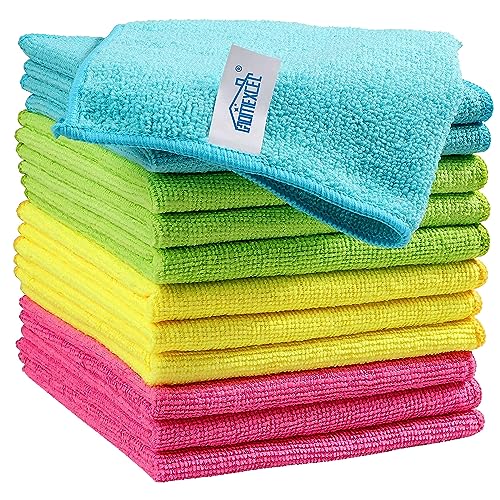
Effective Streak-Free Cleaning: Clean kitchen countertops, windows, mirrors, bathroom surfaces, stainless steel, car interiors, glass, and other delicate surfaces with just water or your favorite cleaner—these microfiber cloths deliver streak-free, neat results with minimal effort, making daily cleanup fast and simple

Microfiber 16 x 12-inch cleaning cloth (24-pack); ideal for cleaning cars, trucks, boats, and more

LINT-FREE ON GLASS: Soft microfiber helps lift dust, smudges, and everyday messes without leaving lint behind, making it a go-to cloth for mirrors, windows, stainless appliances, and quick wipe-downs around the home.
Soft Cloths and Sponges
Soft cloths and sponges play a crucial role in cleaning. Use microfiber cloths for daily dusting and gentle wiping. Microfiber traps dirt and dust effectively, preventing scratches. For more thorough cleaning, sponge pads with a soft texture are ideal. They can soak up cleaning solutions without damaging the paint. Always choose non-abrasive options to maintain the glossy finish.
Brushes and Scrubbers
Brushes and scrubbers assist in tackling stubborn grime. Use a soft-bristle brush to reach into corners and crevices. This tool can gently lift debris without harming the cabinet surface. If you encounter tougher stains, opt for a soft scrubber sponge. Ensure it is safe for painted surfaces to avoid scratches. Test a small area first if you’re unsure.
Microfiber Towels
Microfiber towels are essential for the final touch. Use them for drying cabinets after cleaning to prevent streaks. They excel at picking up moisture and leftover residue. For best results, use a clean towel each time to avoid transferring dirt back onto the cabinets. Keep a few on hand for quick wipes between deep cleans.
Cleaning Techniques
Maintaining the cleanliness of painted kitchen cabinets requires specific techniques that protect their finish while ensuring they remain attractive. Here are effective methods for cleaning and caring for your cabinets.
Wiping Down Surfaces
Wipe surfaces regularly to prevent grime buildup. Use a soft microfiber cloth dampened with a solution of warm water and mild dish soap.
- Dampen the cloth, avoiding excess water.
- Gently wipe down cabinet doors and handles.
- Rinse the cloth frequently to remove dirt.
- Dry surfaces immediately with a clean microfiber towel to prevent streaks.
Dealing with Stains
Address stains promptly to avoid damage to the paint. For tougher stains, follow these steps:
- Mix equal parts of vinegar and water in a spray bottle.
- Spray the stained area and let it sit for a few minutes.
- Gently scrub the stain with a soft sponge or cloth.
- Rinse with a damp cloth and dry thoroughly.
Avoid using abrasive cleaners or scrubbing pads, as they can scratch the finish.
Spot Testing
Before trying any new cleaner, spot test in an inconspicuous area. This ensures compatibility with your cabinet’s paint.
- Choose a small, hidden section of the cabinet.
- Apply the cleaner according to the instructions.
- Wait a few minutes and check for any discoloration or damage.
- If safe, proceed with cleaning the larger areas.
Performing spot tests helps maintain the integrity of your kitchen cabinets while ensuring cleaning effectiveness.
Conclusion
Taking care of your painted kitchen cabinets doesn’t have to be a chore. With the right cleaning methods and tools you can keep them looking fresh and inviting. Regular maintenance with gentle solutions will not only enhance their appearance but also extend their lifespan.
Remember to test any new cleaner before using it and always choose products that are safe for your cabinet’s finish. By making these simple cleaning techniques a part of your routine you’ll enjoy beautiful cabinets that brighten your kitchen for years to come. Happy cleaning!
Frequently Asked Questions
How can I keep my painted kitchen cabinets looking clean and fresh?
To maintain the appearance of painted kitchen cabinets, regularly clean them with a mild detergent mixed with warm water. Use a soft cloth or sponge to wipe down surfaces, rinsing frequently to prevent build-up. Dry immediately to avoid streaks and preserve the finish.
What types of paint are used on kitchen cabinets?
Common types of paint for kitchen cabinets include oil-based, water-based, chalk, acrylic, and spray paint. Each type has different care requirements, so it’s important to know which was used for your cabinets to choose the right cleaning method.
What cleaning solutions are safe for painted cabinets?
Gentle cleaning solutions like a mix of dish soap and warm water, or a vinegar and water solution, are effective and safe for painted cabinets. For tougher stains, consider using a commercial cleaner designed for painted surfaces, ensuring it’s safe for your cabinet’s finish.
What tools should I use for cleaning painted cabinets?
Use soft cloths and sponges, like microfiber cloths for daily use, and soft scrubber sponges for deeper cleaning. A soft-bristle brush can help reach tight corners, and microfiber towels are ideal for drying without leaving streaks.
How often should I clean my kitchen cabinets?
Regular cleaning is recommended, ideally weekly, to prevent build-up of grease, dust, and fingerprints. This routine maintenance will help keep your cabinets looking their best and prolong their lifespan.
What is the best way to remove tough stains from painted cabinets?
For tough stains, apply a vinegar and water solution, allowing it to sit for a few minutes before gently scrubbing. Always rinse with a clean cloth afterward and consider spot testing the cleaner on an inconspicuous area first.
