
Ever wondered how to banish stubborn oil stains from your pristine asphalt driveway? Picture this: you pull into your driveway after a long day, only to be greeted by unsightly oil marks that just won’t budge. Fret not, as we’ve got you covered with simple yet effective solutions in store.
In this article, you’ll discover practical tips and tricks to tackle those pesky oil stains head-on. Say goodbye to the frustration of seeing those dark blotches tarnishing your pavement. You’ll learn easy methods that will have your asphalt looking as good as new in no time.
Get ready to reclaim the clean and polished look of your driveway effortlessly. With our expert guidance, cleaning oil stains from asphalt will become a breeze, leaving you with a spotless surface that’s sure to impress.
Key Takeaways
- Oil stains on asphalt driveways are typically caused by leaks from vehicles, equipment, or machinery parked on the pavement.
- Understanding how oil stains develop and their consequences can help you take proactive steps to address them effectively.
- Essential cleaning agents for removing oil stains from asphalt include dish soap, baking soda, white vinegar, and commercial degreasers.
- Necessary hardware and safety gear for cleaning oil stains include protective gloves, safety goggles, stiff bristle brush, and a water hose or pressure washer.
- Follow a step-by-step guide involving pre-cleaning preparation, application of cleaning agents, scrubbing techniques, and rinsing to effectively remove oil stains from your asphalt driveway.
- To prevent future oil stains, establish regular maintenance routines such as prompt cleanup of spills, routine inspections for leaks, seal coating every few years, and using protective products like oil absorbent mats or drip pans.
Understanding Oil Stains on Asphalt
When it comes to dealing with oil stains on your asphalt driveway, understanding the causes and impact of these stubborn marks is crucial. Let’s delve into why oil stains occur and how they affect the surface.
Causes of Oil Stains
Oil stains on asphalt driveways are typically caused by leaks from vehicles, equipment, or machinery parked on the pavement. These leaks can come from cars, lawnmowers, motorcycles, or any other mechanical devices that use oil or fuel. When these substances drip onto the asphalt surface, they penetrate the porous material, leaving behind unsightly stains.
Impact on Asphalt Surfaces
The presence of oil stains not only detracts from the appearance of your driveway but can also have detrimental effects on the asphalt itself. Over time, oil seepage can weaken the structural integrity of the pavement, leading to deterioration and potential cracks. Additionally, oil acts as a binder that attracts dirt and debris, further marring the cleanliness of your driveway.
By understanding how oil stains develop and their consequences for your asphalt surface, you can take proactive steps to address them effectively.
Tools and Materials Needed for Cleaning
Recommended Products
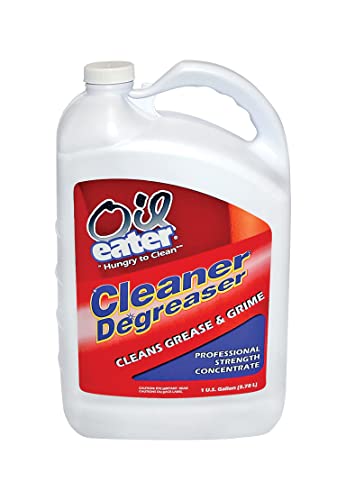
Powerful Cleaning: Dissolves Grease, Oil And Dirt From Any Washable Surface
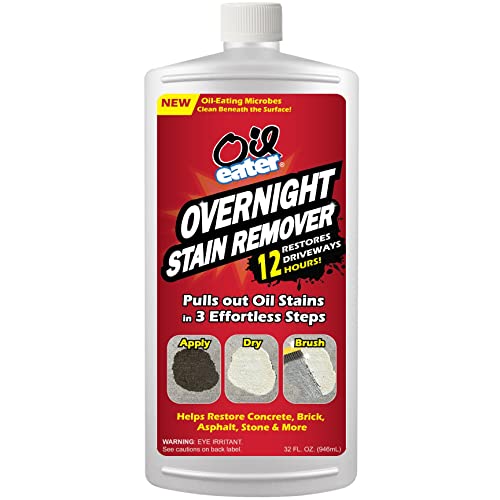
POWERFUL OIL STAIN REMOVER - oil-eating microbes clean deep beneath the surface to remove oil stains on hard & porous surfaces like concrete, asphalt, brick & stone. Works great on all types of oil, grease and petroleum-based automotive leaks.

INDUSTRY'S MOST POWERFUL OIL STAIN LIFTING FORMULA: Chomp! Pull It Out uses a deep penetrating formula to lift stains from porous flooring surfaces like concrete and brick. It is effective on oil or petroleum-based stains (transmission fluid, brake fluid, etc. ) commonly found on concrete and paver driveways, garage floors, parking lots, and drive-through lanes.
Essential Cleaning Agents
To effectively clean oil stains from asphalt, you’ll need specific cleaning agents that target grease and oil. Here are some essential cleaning solutions to have on hand:
- Dish Soap: It’s a mild yet effective cleaner that can help break down oil stains without damaging the asphalt.
- Baking Soda: This household staple acts as a natural absorbent to lift oil from the surface of the pavement.
- White Vinegar: Known for its degreasing properties, white vinegar can tackle tough oil stains on asphalt.
- Commercial Degreaser: Consider using a commercial degreaser designed for removing oil stains from driveways for more stubborn marks.
Hardware and Safety Gear
Before starting the cleaning process, gather the necessary hardware and safety gear to ensure a smooth operation. Here’s what you’ll need:
- Protective Gloves: Wear sturdy gloves to shield your hands from chemicals and abrasive materials during cleaning.
- Safety Goggles: Protect your eyes from splashes or fumes by wearing safety goggles while working with cleaning agents.
- Stiff Bristle Brush: Use a stiff bristle brush or scrubbing pad to agitate the cleaning solution into the asphalt surface effectively.
- Water Hose or Pressure Washer: A water hose or pressure washer will be handy for rinsing off the cleaning agents after scrubbing away the oil stains.
By having these tools and materials ready, you can efficiently tackle oil stains on your asphalt driveway, restoring its cleanliness and appearance.
Step-by-Step Guide to Removing Oil Stains
Recommended Products

NATURAL ASPHALT CLEANER: FORO uses a natural breakdown process that helps target oil stains and hydrocarbon residue beneath asphalt surfaces. Over time the treatment converts contamination into harmless water and carbon dioxide.

ASPHALT REMOVAL FORMULA: Asphalt remover and automotive degreaser dissolve deposits from paving equipment, vehicles, garage doors, and tools. Removes asphalt sealant and bitumen buildup. Effective cleaning supplies for industrial applications, home improvement projects, and roof cleaner for asphalt shingles.

COMMERCIAL STRENGTH ADVANCED FORMULA: Cuts through the toughest oil & grease stains
Pre-Cleaning Preparation
Before starting the oil stain removal process, gather all the necessary tools and materials. You’ll need protective gloves, safety goggles, a stiff bristle brush, dish soap, baking soda, white vinegar, and a commercial degreaser. Ensure you have access to a water hose or pressure washer for rinsing off the cleaning agents.
Application of Cleaning Agents
Begin by applying dish soap directly to the oil stain. Let it sit for about 20 minutes to break down the grease. For tougher stains, create a paste using baking soda and water. Apply this paste onto the affected area and scrub gently with a brush.
Next, pour white vinegar over the stain and allow it to soak for another 15-20 minutes. The acidity of the vinegar helps in lifting stubborn oil residues from the asphalt surface. For extremely tough stains that do not respond to home remedies, consider using a commercial degreaser as directed on the product label.
Scrubbing and Rinsing Techniques
After allowing sufficient time for the cleaning agents to work their magic on the oil stain, grab your stiff bristle brush. Begin scrubbing the stained area vigorously in circular motions. This action helps lift off any remaining oil residue from deep within the asphalt pores.
Once you’ve thoroughly scrubbed the area, rinse off all cleaning agents using a water hose or pressure washer set on medium pressure. Make sure to rinse away all traces of soap or degreaser completely.
By following these step-by-step instructions carefully and utilizing the right tools and cleaning agents, you can effectively remove oil stains from your asphalt driveway and restore its pristine appearance.
Preventive Measures for Future Stains
Recommended Products

Industrial strength cleaner, degreaser, and deodorizer removes heavy dirt, grease, food residue and stains from washable surfaces.
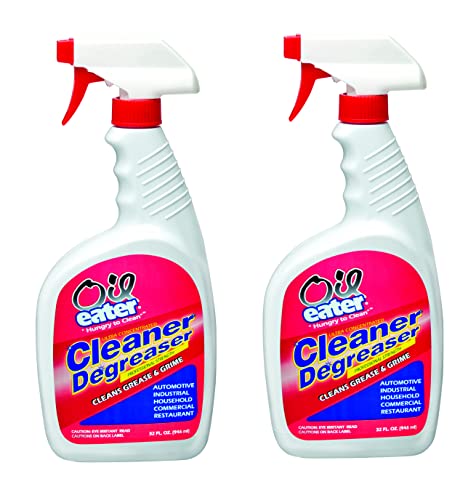
POWERFUL CLEANING: dissolves grease, oil and dirt from any washable surface, including kitchens, outdoor patios, floors & vehicles

Easily cover an ugly oil stain in minutes - HOA approved! Simply apply product, sprinkle over to cover the oil spot, mist with water, and your job is done! The microbes will start their work and begin eliminating the oil spill!
Regular Maintenance Tips
To prevent future oil stains on your asphalt driveway, it’s essential to establish a regular maintenance routine. By incorporating these simple practices into your schedule, you can prolong the cleanliness and integrity of your pavement:
- Prompt Cleanup: When you notice any oil spills or leaks on your driveway, it’s crucial to act quickly. Use absorbent materials like cat litter or sawdust to soak up fresh oil before it seeps into the asphalt.
- Routine Inspections: Regularly inspect your driveway for any signs of oil leaks from vehicles. Catching these issues early can help prevent extensive staining and damage to the pavement.
- Seal Coating: Consider applying a sealant to your asphalt driveway every few years. Seal coating not only enhances the appearance of your pavement but also provides a protective barrier against oil penetration.
Protective Products to Consider
In addition to proactive maintenance, using protective products can further safeguard your asphalt driveway against stubborn oil stains:
- Oil Absorbent Mats: Placing oil absorbent mats under vehicles that tend to leak can help capture drips before they reach the pavement surface.
- Drip Pans: Utilize drip pans or trays under parked vehicles as an added layer of protection against oil leaks onto the driveway.
By implementing these preventive measures and incorporating protective products, you can minimize the occurrence of oil stains on your asphalt driveway and maintain its pristine condition for longer periods.
Conclusion
You’ve learned valuable insights on tackling oil stains on your asphalt driveway. By following the tips and steps outlined in this article, you can effectively remove stubborn stains and maintain your pavement’s integrity. Remember to be proactive in your maintenance approach to prevent future oil spills from causing lasting damage. With the right tools, materials, and preventive measures at your disposal, you can keep your driveway looking pristine for years to come. Stay diligent in cleaning up spills promptly and consider using protective products to minimize the impact of oil stains. Taking these actions will not only enhance the appearance of your driveway but also prolong its lifespan. Your efforts will pay off with a clean and well-maintained asphalt surface that you can be proud of!
Frequently Asked Questions
How do oil stains impact an asphalt driveway’s integrity?
Oil stains on an asphalt driveway can weaken the pavement, leading to deterioration and cracks over time.
What tools are needed to remove oil stains from an asphalt driveway?
Tools needed include dish soap, baking soda, white vinegar, commercial degreasers, scrub brush, and safety gear like gloves and goggles.
What are the steps for removing oil stains from an asphalt driveway?
Steps include preparing the area by soaking up excess oil, applying cleaning agents like dish soap or baking soda paste, scrubbing the stain with a brush, rinsing thoroughly with water.
How can future oil stains be prevented on an asphalt driveway?
Preventive measures include prompt cleanup using absorbent materials, routine inspections for leaks from vehicles parked on the driveway, and applying seal coating every few years.
