
Have you ever looked into your pool and noticed a greenish tint? Algae can turn your inviting oasis into an unsightly mess. If you’re wondering whether a pool vacuum can tackle this pesky problem, you’re not alone. Many pool owners face the same dilemma and want a quick solution.
Key Takeaways
- Understanding Algae Types: Familiarize yourself with different types of pool algae (green, yellow, and black) to identify and address specific issues effectively.
- Causes of Algae Growth: Key contributors to algae growth include low chlorine levels, poor filtration, warm water, and lack of circulation; addressing these factors can help maintain a clean pool.
- Function of Pool Vacuums: Pool vacuums remove dirt and algae from surfaces, playing a vital role in maintaining a clean and healthy swimming environment.
- Vacuum Types: Choose from various vacuum types—manual, automatic suction-side, pressure-side, or robotic—each designed for different cleaning needs and levels of convenience.
- Limitations of Vacuums: Pool vacuums may not completely eliminate embedded algae; consider combining their use with chemical treatments and regular maintenance for optimal results.
- Additional Cleaning Strategies: Incorporate chemical treatments and regular maintenance practices, such as brushing and water testing, to enhance the effectiveness of your pool cleaning routine.
Understanding Pool Algae
Pool algae can turn your swimming oasis into an undesirable sight, prompting the need for effective solutions. Knowing more about algae will help you manage it better.
Types of Pool Algae
You may encounter several types of pool algae, each with unique characteristics:
- Green Algae: This is the most common type, appearing as a slimy green film on your pool surfaces. It often thrives when chlorine levels are low.
- Yellow Algae (Mustard Algae): This type looks similar to sand and can cling to pool walls and floors. It’s tougher to eliminate than green algae and requires more aggressive treatment.
- Black Algae: This algae has a dark appearance and often forms in patches. Its roots can penetrate plaster surfaces, making it resistant to removal.
Understanding these types helps you recognize the specific algae problem in your pool.
Causes of Algae Growth
Several factors contribute to algae growth in pools:
- Low Chlorine Levels: Inadequate sanitizer levels allow algae to flourish. Regular testing is critical to ensure proper chlorine balance.
- Poor Filtration: An inadequate filtration system can’t remove debris effectively, giving algae a place to thrive. A filter that’s dirty or malfunctioning can exacerbate the problem.
- Warm Water: Algae grows quickly in warm water. During summer months, it’s essential to monitor water temperature and cleanliness.
- Lack of Circulation: Stagnant water provides a safe haven for algae. Ensure your pool water is circulating properly to discourage growth.
By addressing these potential causes, you maintain a cleaner and healthier pool.
The Role of Pool Vacuums
Pool vacuums play a crucial role in keeping your pool clean and algae-free. They remove dirt, debris, and algae from the pool surface, helping maintain a healthy swimming environment.
Recommended Products
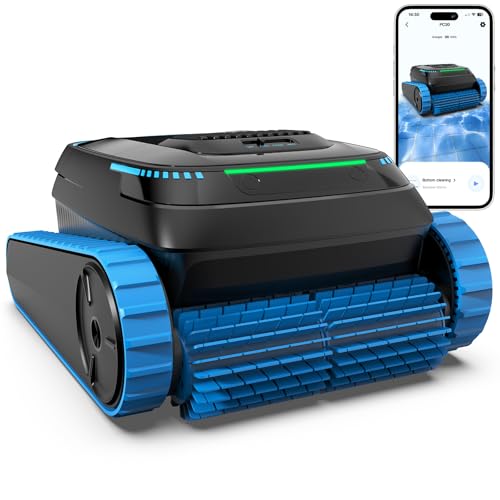
Complete Cleaning: This robotic pool cleaner tackles floors, walls, and the waterline in a single cycle, effectively removing leaves, sand, dirt, and debris—so your pool stays consistently clean with minimal effort.
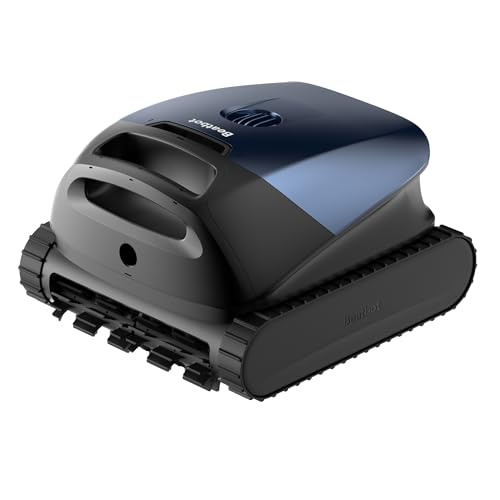
Huge 6800 GPH Suction Power : The HydroBalance Structure delivers industry-leading 6,800 GPH suction. As a high-performance pool cleaner, it effortlessly captures large leaves, heavy sand, and debris without clogging for a professional-grade clean.
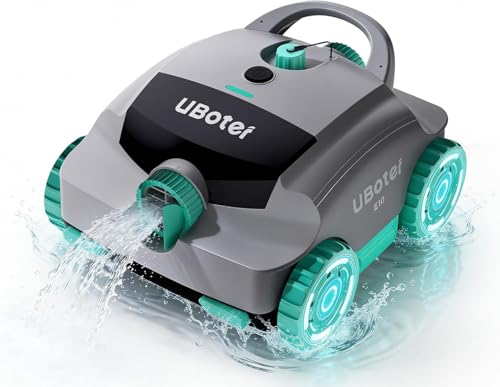
✅ 【Dual-Layer Filtration for Leaves & Fine Debris】– 180μm + 50μm dual filters efficiently capture large debris like leaves, as well as fine dust & dirt, pollen, bugs and other fine debris. Designed for consistent cleaning performance, the robot pool cleaner helps improve water clarity with less manual effort.
How Pool Vacuums Work
Pool vacuums work by sucking up dirt and algae from the pool floor and walls. They connect to your pool’s filtration system or have their own motorized unit. As the vacuum moves, it creates suction, drawing in water, dirt, and algae. The debris gets trapped in a filter, preventing it from returning to the pool.
Regular use of pool vacuums helps catch those hidden algae colonies before they spread. For best results, run your vacuum on a low day when algae is most visible, typically in the warmer months.
Different Types of Pool Vacuums
Several types of pool vacuums are available, each designed for specific pool types and maintenance needs.
- Manual Vacuums: These require you to control movement. You can adjust the cleaning speed and direction, allowing for targeted cleaning.
- Automatic Suction-Side Vacuums: These use your pool’s existing plumbing and suction for operation. They navigate the pool automatically, making them convenient for regular maintenance.
- Pressure-Side Vacuums: These function by using pressure from your pool’s pump. They collect debris in a bag or canister, providing quick cleaning results without added strain on your filtration system.
- Robotic Vacuums: These operate independently, using programmable schedules. Robotic vacuums efficiently cover all areas, including hard-to-reach spots, making them a popular choice for effortless cleaning.
Understanding these vacuum types helps you choose the right one for your pool. Each type contributes to algae removal in different ways, ensuring your pool stays clean and inviting.
Effectiveness of Pool Vacuums Against Algae
Pool vacuums play a crucial role in maintaining a clean and algae-free pool environment. These devices efficiently remove debris, dirt, and algae from the pool surface, reducing the likelihood of algae growth.
Manual vs. Automatic Vacuums
Manual vacuums require your direct involvement. You guide the vacuum along the pool floor, ensuring it targets algae-prone areas. This option gives you control but demands more time and effort. For instance, using a manual vacuum may allow you to spot clean stubborn algae clusters that automatic vacuums might miss.
Automatic vacuums, such as suction-side, pressure-side, or robotic models, operate independently. These vacuums efficiently cover larger areas, saving you time. Automatic models are particularly effective for regular maintenance, as they can run while you’re busy with other pool tasks. For example, robotic vacuums can climb walls and handle various pool surfaces, reaching hidden algae spots with ease.
Limitations of Pool Vacuums
Pool vacuums excel at removing algae from visible surfaces but face limitations. They may not completely eliminate algae embedded within pool walls or the filter system. For persistent algae issues, additional treatments like algaecides or shock treatments may be necessary.
Moreover, certain pool shapes or sizes can hinder vacuum effectiveness. If your pool has nooks, corners, or steps, it may require multiple vacuum runs or manual attention to ensure thorough cleaning. Consider complementing your vacuum routine with regular brushing and chemical balancing to achieve optimal results.
Additional Methods to Combat Algae
To maintain an algae-free pool, you can incorporate several effective methods alongside using a pool vacuum. These strategies enhance cleaning efforts and promote a healthier swimming environment.
Recommended Products

Note:The vacuum requires at least a 3/4hp swimming pool pump or 1600ghp to function properly.

90 Minutes of Running Time: Our cordless hot tub vacuum cleaner features a powerful 2.5Ah lithium battery, offering up to 90 minutes of runtime, which is perfect for fully cleaning your small pool, pond, spa, hot tub, or jetted bathtub in just one charge! It takes about 4 hours to fully charge, but that means you get long-lasting performance when you need it

[𝟮𝟬𝟮𝟲 𝗨𝗣𝗚𝗥𝗔𝗗𝗘𝗗] Light Duty Vacuum Working 60-minute runtime (25% up); complete handheld vacuum set for spot cleaning above-ground pools, hot tub, spas & small pools up to 20 feet; works in 41 - 108°F cold & warm water, Water depth: 12 inches to 9.8 feet.
Chemical Treatments
Chemical treatments play a vital role in controlling and eliminating algae. Algaecides are specifically formulated to target algae growth in pools. You can apply them according to the manufacturer’s instructions, typically when water temperatures are warmer and algae is more likely to thrive. Chlorine shock treatments also effectively raise chlorine levels temporarily, killing algae and bacteria. For best results, assess your pool’s current chemical levels and use balancing agents as needed before applying these treatments.
Regular Maintenance Practices
Regular maintenance practices prevent algae buildup and keep your pool clean. Start by brushing the pool walls and floor weekly to dislodge algae and debris. Focus on areas that may shadow or collect organic material. Skim the surface daily to remove leaves and dirt before they sink. Testing water chemistry two to three times a week ensures proper pH and chlorine levels, deterring algae growth. Additionally, maintaining proper circulation through your pool pump helps avoid stagnant water, a common breeding ground for algae.
Conclusion
A pool vacuum is a valuable tool in your fight against algae but it’s not a one-stop solution. While it helps keep your pool clean by removing debris it won’t tackle stubborn algae on its own. For those persistent algae problems you’ll need to incorporate algaecides and shock treatments into your routine.
Don’t forget that regular maintenance is key. Brushing your pool walls and ensuring proper water chemistry can make a world of difference. By combining these strategies you can enjoy a sparkling clean pool that’s inviting and safe for swimming.
Frequently Asked Questions
What is the purpose of a pool vacuum?
A pool vacuum is essential for keeping your pool clean. It effectively removes debris, dirt, and leaves from the pool’s surface and floor, helping to maintain a safe and enjoyable swimming environment.
How does a manual vacuum differ from an automatic vacuum?
Manual vacuums require you to physically move them around the pool, offering control over the cleaning process. In contrast, automatic vacuums work independently, using sensors to navigate and clean the pool’s surfaces, making them more convenient.
Can pool vacuums remove algae?
While pool vacuums are great for general debris removal, they often struggle with embedded algae. For persistent algae issues, consider using algaecides or shock treatments in combination with regular vacuuming.
What factors affect the effectiveness of a pool vacuum?
The shape and size of your pool significantly impact a vacuum’s efficiency. Irregular shapes or larger areas may require more attention and possibly additional cleaning tools or methods for thorough cleaning.
Why is regular brushing important for pool maintenance?
Regular brushing helps dislodge debris and algae from pool surfaces, ensuring that vacuums can remove them more effectively. It also promotes even chemical distribution in the water, contributing to overall pool health.
How can I prevent algae buildup in my pool?
To prevent algae, maintain proper water circulation, regularly test water chemistry, and use algaecides or chlorine shock treatments as needed. Consistent maintenance practices like brushing and skimming also help keep algae at bay.
What should I include in my pool maintenance routine?
A comprehensive pool maintenance routine should include vacuuming, brushing, skimming, testing water chemistry, and adjusting chemical balance. Ensure proper circulation to foster a clean and healthy swimming environment.
