
Has your vacuum suddenly given up on you right in the middle of cleaning? You’re not alone. A broken vacuum can be frustrating, especially when you’ve got dirt and dust piling up. Instead of tossing it aside or rushing to buy a new one, there are plenty of options to consider.
Key Takeaways
- Assess the Damage: Identify common issues like clogs, damaged belts, and electrical problems to determine your vacuum’s condition before attempting repairs.
- DIY Fixes: Simple repairs, such as checking for clogs, replacing belts, and cleaning brush rolls, can often restore your vacuum’s functionality without needing professional help.
- When to Seek Help: Consult a professional for electrical issues, motor failures, or persistent problems that are beyond minor DIY repairs, especially if still under warranty.
- Eco-Friendly Disposal: If repair is not feasible, explore recycling options, such as local drop-off points or manufacturer programs, to minimize environmental impact.
- Consider Alternatives: When a vacuum is beyond repair, assess your cleaning needs and explore options like buying a new vacuum or upgrading to alternative cleaning tools.
Assessing the Damage
Assessing the damage to your broken vacuum cleaner starts with identifying common issues. Understanding these problems can simplify the repair process or decision-making.
Common Issues with Vacuum Cleaners
Common issues include:
- Clogs: Blocked hoses or filters can stop suction. Detach the hose and check for debris.
- Damaged Belts: A broken or worn belt affects brush rotation. Inspect the belt for signs of wear.
- Loose Connections: Loose connections can lead to power loss. Ensure all parts are securely attached.
- Overheating: Overheating can cause temporary shutdowns. Allow the vacuum to cool before testing it again.
- Electrical Problems: Frayed cords or faulty switches may disrupt the power. Examine the cord for visible damage.
Identifying the Problem
Identifying the specific problem involves a few simple steps:
- Visual Inspection: Look for clogs, damaged parts, or loose connections. Check filters and canisters for buildup.
- Test the Power Source: Plug the vacuum into different outlets. If it works in one outlet, the issue may be with your electrical system.
- Listen for Sounds: Strange noises can indicate motor issues or obstructions. Pay attention to any unusual sounds when you attempt to use it.
- Check for Odors: A burnt smell could signal overheating or motor problems. Stop using the vacuum if this occurs to prevent further damage.
Each of these steps provides clear indicators of what may be wrong with your vacuum cleaner. Assessing the damage correctly sets the foundation for effective repairs or alternatives.
DIY Fixes
You can often resolve minor issues with your broken vacuum cleaner without professional help. Here are some straightforward repairs you can attempt at home.
Recommended Products
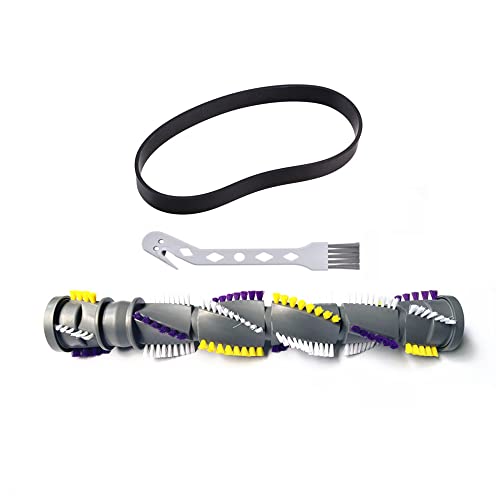
1. The product is suitable for Bisser vacuum cleaner brush roller belt 2252 2489 22543 24899 3195 3196 3197 3197A 3198 3198A 1327 1333 1820, 2383, 1825, 1813, 1823, 18252, 1825R, 1836, 1838, 2256, 2254, 22543, 22548, 2255, 2739, 2256K, 2258, 22582, 2259, 1830, 2260, 2253, 22547, 22549, 2316, 2252, 2488, 2486, 2487, 2492, 2490, 2489, 24899, 2491, 2494, 2254 replacement part number 1604545, 1611230
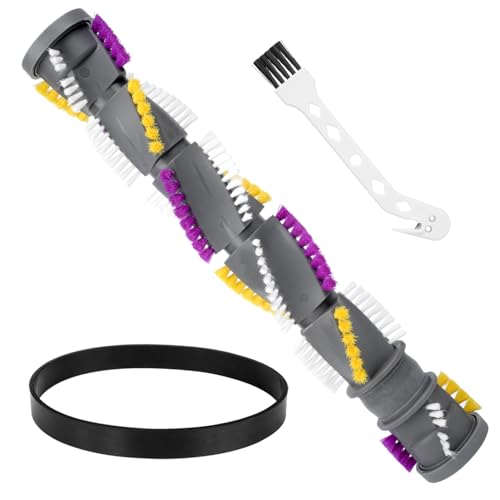
Complete Brush Roll & Belt Replacement Kit (#3031120) Restore strong cleaning performance with this complete replacement kit. Includes a high-quality brush roll and a multipurpose cleaning brush—designed to bring your vacuum back to peak efficiency.
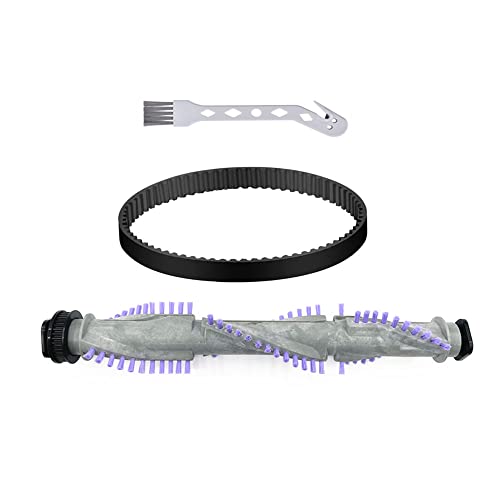
1. Wide Compatibility: For Shark Navigator NV350 NV351 NV352 NV353 NV355 NV360 NV361 NV356E 31 NV361BK NV361PR NV42 NV22 Replacement part numbers 117FFJ and 1135FC
Simple Repairs You Can Do at Home
- Check for Clogs: Inspect the hose and filters for blockages. Remove any debris, like hair or dust, that’s obstructing airflow.
- Replace the Belt: Examine the vacuum’s belt for signs of wear or breakage. If damaged, replacing the belt usually requires only a few screws. Consult your manual for specific instructions.
- Clean the Brushes: Hair and dirt can wrap around the brush rolls. Detach the brush and remove any buildup. This restores suction and improves cleaning performance.
- Inspect the Power Cord: Look for frayed or damaged sections. Taping minor issues might work temporarily, but consider replacing the cord for safety.
- Reset the Motor: If your vacuum shuts off unexpectedly, it might have overheated. Allow it to cool down, then reset the motor by unplugging it for a few minutes.
When to Call a Professional
Certain repairs often require expert attention. Recognize when it’s time to seek help from a professional:
- Electrical Issues: If you notice sparks or consistent power failures, electrical problems could pose a safety risk. A qualified technician should handle these.
- Motor Failures: If the motor produces strange noises or doesn’t function at all after checking the power, it might need professional diagnostics or replacement.
- Persistent Problems: If your vacuum still malfunctions after minor repairs, the underlying issue may be more complex. Professionals often have specialized tools and knowledge for deeper repairs.
- Warranty Considerations: If your vacuum is still under warranty, attempting repairs might void it. Contact the manufacturer for guidance before making adjustments.
Recycling and Disposal Options
When your vacuum cleaner is beyond repair, consider recycling or properly disposing of it. This approach minimizes waste and supports environmental sustainability.
Recommended Products
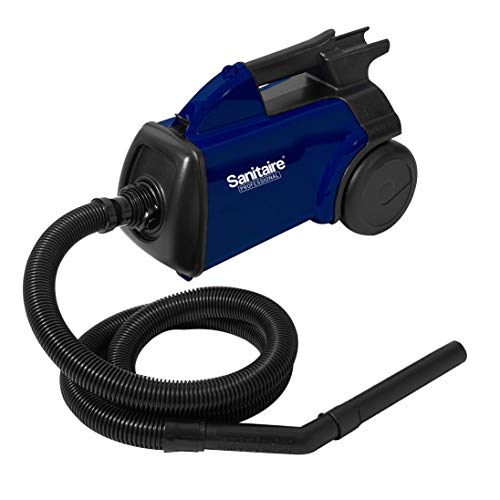
Commercial-rated, light-duty machines designed to provide the clean you need. Simplified. Streamlined. Built for your business — and your budget.800.0 watts.Specific uses:carpet

Enhanced Mobility and Visibility: Effortlessly navigate around furniture and obstacles with 180° EasySteer maneuverability as bright LED nozzle lights illuminate tight, dark spaces for a more thorough clean

PET HAIR NO MORE: Effortlessly picks up pet hair and dander with its ultra-effective suction; keep your floors sparkling clean without compromising on love for your furry friends.
Eco-Friendly Disposal Methods
Use local waste management guidelines to dispose of your vacuum. Many municipalities offer specific drop-off points for appliances. Check for recycling events where you can safely drop off your vacuum. Some retailers also accept old vacuums for recycling; ask when purchasing a new model. Consider donating functional parts like hoses or filters if they’re still usable.
When to Consider Recycling
Recycling makes sense when your vacuum cleaner is non-functional but contains recyclable materials. Common components include metals, plastics, and electrical parts. Look for recycling programs specializing in electronic waste. These programs often ensure proper handling of hazardous materials. Verify if the vacuum manufacturer offers a take-back program. If not, research local facilities that accept small appliances for recycling.
Alternatives to Repairing
Consider various options if your vacuum’s beyond repair. Instead of fixing it, explore these alternatives to ensure effective cleaning.
Recommended Products

✅!!!!!!!!!!!!!!!!!!!!!!!!!!!!!! NOT FOR BESPOKE !!!!!!!!!!!!!!!!!!!!!!!!!!!!!!!!✅

【Compatibility】Compatible to with Samsung BESPOKE Jet Stick Cordless Vacuums with All In One Clean Station - models VS20A95923B/AA, VS20A95923N/AA, and VS20A95923W/AA

🟢Compatible replacement: Specifically designed for Samsung Jet 60 70 75 75+ 90 Series Plus Fit Flex Pet Multi-Surface Cordless Stick Vacuum Cleaner.
Buying a New Vacuum
Assess your requirements before purchasing. Opt for a vacuum that fits your cleaning habits and space size. Look for features like bagless technology, HEPA filters, or lightweight designs that make cleaning easier. Compare various brands and models to find the best fit for your budget. Read user reviews to gauge performance and reliability. Shopping at local retailers or online can offer competitive prices. Some manufacturers even have trade-in programs, which can reduce the cost of a new vacuum.
Upgrading Your Cleaning Tools
Upgrade your cleaning arsenal with alternative tools. Consider adding a cordless stick vacuum for quick clean-ups or a robot vacuum for automated convenience. Invest in specialized tools like brooms, mops, or handheld vacuums for targeted cleaning in tight spaces or small messes. Explore multi-functional vacuum accessories that can enhance performance for various surfaces. When selecting new tools, prioritize durability and ease of use, as this saves time and effort during your cleaning routine.
Conclusion
Dealing with a broken vacuum can be frustrating but it doesn’t have to be the end of the road. Whether you choose to fix it or explore new options there are plenty of paths to take. Embracing eco-friendly disposal or recycling methods not only helps the environment but also clears up space in your home.
If you decide to invest in a new vacuum take your time to find one that fits your needs and lifestyle. Upgrading your cleaning tools can make a big difference in your cleaning routine. Remember it’s all about finding what works best for you so you can keep your space clean and comfortable.
Frequently Asked Questions
What are common issues with vacuum cleaners?
Common issues include loss of suction, strange noises, clogs in the hose or filter, and issues with power or cord connections. Regular maintenance can often resolve these problems.
How can I troubleshoot my vacuum cleaner?
Start by checking for clogs, cleaning or replacing filters, and ensuring the brush roll is free of hair. Inspect the power cord and connections, and consult the user manual for specific guidance.
When should I consider replacing my vacuum?
If your vacuum is consistently underperforming despite troubleshooting, has major mechanical failures, or is more than 10 years old, it may be time to consider a replacement.
What eco-friendly disposal options are available for broken vacuums?
You can recycle vacuums through local waste management programs or retailers that offer recycling services. Always check local guidelines for proper disposal.
What features should I look for when buying a new vacuum?
Consider features like bagless technology, HEPA filters for allergen control, and specific attachments for your cleaning needs. Your choice should reflect your lifestyle and home environment.
Are there alternatives to repairing my vacuum?
Yes, consider investing in new cleaning tools like cordless stick vacuums or robot vacuums. Trade-in programs and upgraded accessories can also provide cost-effective solutions.
What are the benefits of using a cordless vacuum?
Cordless vacuums offer portability and convenience, allowing for easier maneuvering around the home. They are ideal for quick clean-ups and often come with features that enhance cleaning efficiency.
