
Have you ever noticed your car not running quite right and wondered if something’s amiss under the hood? One often overlooked culprit could be the vacuum hose. This small but crucial component plays a big role in your vehicle’s performance.
Key Takeaways
- Essential Role: Vacuum hoses are crucial for various vehicle functions, including brake performance, engine efficiency, and emissions control.
- Common Locations: Typically, vacuum hoses run from the intake manifold to the brake booster and emission control systems, often near the engine’s throttle body.
- Signs of Damage: Symptoms of a faulty vacuum hose include rough idling, weak braking, increased fuel consumption, and unusual noises like hissing.
- Inspection Process: Regular inspections using basic tools can identify damages, secure connections, and required vacuum levels to ensure optimal performance.
- Timely Replacement: Addressing vacuum hose issues promptly can prevent more severe engine problems and lower maintenance costs over time.
Understanding Vacuum Hoses in Cars
Vacuum hoses play a crucial role in the overall functionality of your vehicle. These small but essential components help manage various systems within the engine, impacting performance and efficiency.
What is a Vacuum Hose?
A vacuum hose is a flexible tube typically made of rubber or plastic. It connects various components in your car’s engine to maintain a vacuum. This vacuum generates suction necessary for multiple systems, like the brake booster, fuel pressure regulator, and emission control systems. If you spot a hose that’s frayed or shows signs of wear, it’s time to replace it.
Importance of Vacuum Hoses in Vehicle Functionality
Vacuum hoses are essential for several vehicle functions. Here are a few key points that outline their importance:
- Brake Functionality: Vacuum hoses supply the brake booster with the necessary vacuum pressure. This pressure amplifies the force applied to the brake pedal, enhancing stopping power.
- Engine Performance: Properly functioning vacuum hoses ensure that sensors read accurate air intake levels. This precision allows for optimal fuel mixture and engine efficiency.
- Emissions Control: Vacuum hoses direct airflow to emission control devices. This helps reduce harmful gases released into the environment, ensuring compliance with regulations.
- Reliability: A damaged or disconnected vacuum hose can lead to a variety of problems, including rough idling, poor fuel economy, or a check engine light. Regular inspections can prevent costly repairs down the line.
- Tuning and Adjustments: Mechanics often check vacuum hoses when tuning engines or adjusting performance settings. Ensuring these hoses are in good condition contributes to achieving peak performance.
Locating the Vacuum Hose
Finding the vacuum hose in your car can seem daunting. However, with some guidance, you can easily pinpoint its location.
Recommended Products

Vacuum Hose Cap: The appropriate size can provide a tight fit to prevent vacuum leakage; the vacuum cover is used for manifolds, capping pipelines and hoses, while testing emission control systems, vacuum lines, diaphragms, etc; the appropriate size can also be used as an ordinary rubber cap.

【Replacement Part Numbers】Our automotive vacuum hose/crankcase breather tube serves as a direct replacement for part numbers 99071AD690 and 99071AD630, featuring an inner diameter of approximately 0.35 inches. Before purchasing, please ensure that the connector dimensions precisely match those of the original factory part; no modifications are required—simply remove the old part and install the new one
General Location in Most Vehicles
In most vehicles, the vacuum hose typically runs from the intake manifold to various systems. You’ll often find it near the engine, connected to components like the brake booster or emission control system. Inspect the area around the engine bay, especially close to the throttle body. It may appear as a thin, flexible tube, generally black in color.
Factors That Influence Placement
Placement of the vacuum hose can depend on several factors:
- Engine Type: Different engines have varying designs, which affects hose layout.
- Emission Systems: The presence of specific emissions control systems can dictate hose routing.
- Manufacturer Variations: Different car manufacturers may place hoses in unique locations based on design choices.
Checking your vehicle’s service manual can offer more precise information about vacuum hose placement specific to your model.
Common Issues with Vacuum Hoses
Vacuum hoses play a vital role in your car’s performance. When inefficiencies occur, you may notice various symptoms indicating a problem.
Recommended Products

HIGH-PERFORMANCE 4 CFM VACUUM PUMP: Single-stage rotary vane pump delivers fast, deep evacuation for automotive and home HVAC systems; Removes moisture before refrigerant charging; Die-cast aluminum body with anti-slip base ensures long-lasting use
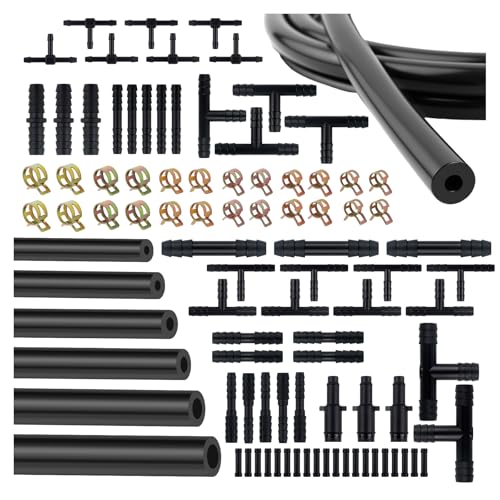
94-Piece Set: The automotive vacuum line includes 6 sizes (1/8", 5/32", 3/16", 1/4", 5/16", and 3/8") of silicone hose, each measuring 4.92 feet, along with 64 assorted fittings (straight, reducers, tees) and 24 hose clamps. All components are included—no need for additional purchases
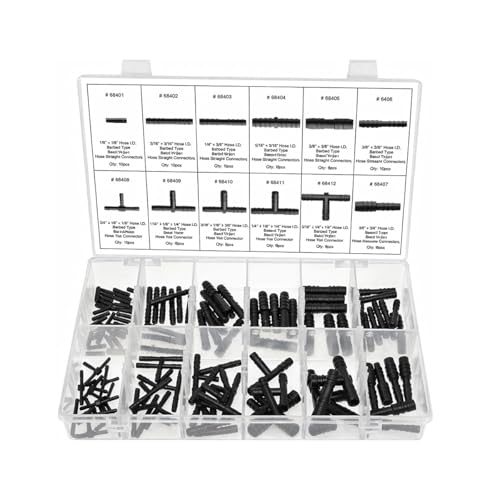
Premium Material: This car vacuum hose fitting set is made of high-quality nylon. It features a sturdy construction, excellent wear resistance, and exceptional durability, making it resistant to damage, deformation, and cracking. It reliably adapts to various automotive vacuum hose applications, ensuring the fittings function properly.
Signs of a Faulty Vacuum Hose
- Weak Braking: A vacuum leak often leads to reduced brake booster efficiency. This results in a harder brake pedal.
- Rough Idle: An inconsistent idle may signal an air leak in the vacuum system, causing the engine to run unevenly.
- Increased Fuel Consumption: A faulty vacuum hose can lead to poor fuel-air mixture. This increased demand negatively impacts fuel efficiency.
- Hissing Noise: You might hear a hissing or whistling sound, indicating that air is escaping from a damaged hose.
- Check Engine Light: This light could illuminate due to vacuum-related errors detected by the engine control unit.
- Engine Performance Decrement: Over time, neglecting vacuum hose issues can caused diminished power and response while driving.
- Increased Emissions: A damaged vacuum hose may disrupt emission control systems, leading to higher pollutant levels.
- Decreased Fuel Efficiency: Continuing to drive with a faulty hose can worsen fuel economy, resulting in extra costs at the pump.
- Critical Component Failure: Long-term leaks might affect other linked components, such as the brake system, leading to costly repairs.
Addressing vacuum hose issues promptly enhances your vehicle’s reliability and performance. Regular inspections can help catch problems early, ensuring smooth operation.
How to Access and Inspect the Vacuum Hose
Accessing and inspecting the vacuum hose requires some basic steps. You’ll pinpoint potential issues efficiently with the right tools and methods.
Tools Required for Inspection
You need a few essential tools to conduct a proper inspection of the vacuum hose. Here’s what you’ll want:
- Screwdriver Set: For removing any covers or clamping devices.
- Flashlight: For illuminating hard-to-see areas near the engine.
- Pliers: For gripping and manipulating hose clamps.
- Vacuum Gauge: To test the vacuum levels in the hose.
- Safety Gloves: To protect your hands while working.
Step-by-Step Guide for Checking the Hose
Follow these steps for a thorough inspection of the vacuum hose:
- Locate the Hose: Find the vacuum hose near the engine. It typically connects to the intake manifold or may be found around the brake booster.
- Examine for Damage: Inspect the hose for cracks, tears, or signs of wear. A damaged hose may cause vacuum leaks leading to performance issues.
- Check the Connections: Ensure all connections are secure. Loose connections can result in inadequate vacuum supply, affecting engine performance.
- Use the Vacuum Gauge: Connect the vacuum gauge at the vacuum source. Ideal readings usually range from 17 to 22 inches of mercury (inHg). Lower readings indicate a potential problem.
- Listen for Noises: Start the engine and listen for any hissing or whistling sounds around the hose. Unusual noises can signify a leak.
- Test Drive: After inspection, take your car for a short drive. Pay attention to drivability issues like rough idling or decreased power, which may suggest a vacuum problem.
- Replace if Necessary: If you find extensive damage or leaks during inspection, consider replacing the vacuum hose. It’s essential for maintaining your vehicle’s performance.
By adhering to this guide, you can effectively access and inspect the vacuum hose in your car, promoting better engine functionality.
Conclusion
Taking care of your car’s vacuum hoses is crucial for keeping everything running smoothly. By knowing where to find them and how to check their condition you can prevent bigger issues down the line. Regular inspections can save you time and money while ensuring your vehicle performs at its best.
So don’t overlook those hoses next time you pop the hood. A little attention goes a long way in maintaining your car’s efficiency and safety. Happy driving!
Frequently Asked Questions
What is the role of vacuum hoses in a vehicle?
Vacuum hoses are crucial for various vehicle systems, including the brake booster and emission control. They help maintain pressure and allow these systems to function correctly.
What are common issues with vacuum hoses?
Common problems include cracks, leaks, and loose connections. These issues can lead to diminished performance, increased emissions, and potential safety hazards.
How do I inspect vacuum hoses?
To inspect vacuum hoses, gather necessary tools, locate the hoses, check for visible damage, test connections, and use a vacuum gauge. Listen for unusual noises and consider a test drive.
What tools do I need to inspect vacuum hoses?
You typically need a vacuum gauge, flashlight, screwdriver, and possibly pliers for inspecting vacuum hoses effectively.
What are the consequences of neglecting vacuum hose maintenance?
Neglecting vacuum hose maintenance can result in poor engine performance, increased fuel consumption, and even mechanical failure in critical systems like brakes and emissions.
