
Got fleas? You’re not alone. Many pet owners find themselves battling these pesky critters after treatment. But did you know that vacuuming plays a crucial role in your flea-fighting strategy?
Key Takeaways
- Vacuuming Frequency: Vacuum at least two to three times a week after flea treatment for optimal results, with daily vacuuming recommended during the first week in high-traffic areas.
- Importance of Immediate Action: Start vacuuming immediately after treatment to remove fleas, eggs, and larvae from carpets, rugs, and upholstery to prevent re-infestation.
- Areas to Focus On: Prioritize vacuuming carpets, rugs, upholstery, baseboards, and pet bedding where fleas are likely to hide and breed.
- Equipment Matters: Use a vacuum with a HEPA filter to effectively trap allergens and flea debris, and ensure you empty the vacuum bag or canister immediately after use to reduce the risk of reinfestation.
- Adjust Based on Circumstances: Adjust vacuuming frequency based on the severity of the infestation, the number of pets in the home, and types of flooring to ensure effective control.
Understanding Flea Treatment
Flea treatment refers to the methods used to eliminate fleas from pets and homes. This treatment often includes topical solutions, oral medications, and sprays designed specifically for fleas. Each method targets fleas in different life stages: eggs, larvae, pupae, and adults.
Types of Flea Treatments
- Topical Treatments: Applied directly to your pet’s skin, these treatments kill adult fleas on contact and may also prevent future infestations.
- Oral Medications: Given to pets, these pills or chews disrupt the flea life cycle. They prevent eggs from developing into adults.
- Flea Sprays: Used in your home, these sprays kill fleas on surfaces. They often contain ingredients that also repel fleas.
Importance of Timing
The timing of treatments is critical. Adult fleas can lay up to 50 eggs daily. If you treat your pet but delay treating your environment, those eggs can hatch and re-inflict an infestation. Additionally, flea treatments may vary in duration and effectiveness depending on the product used.
Recommended Actions Post-Treatment
- Vacuum Frequently: Start vacuuming immediately after treatment to remove fleas and eggs from carpets, rugs, and upholstery. Vacuum every other day for at least two weeks.
- Wash Bedding: Clean all pet bedding in hot water. This kills any remaining fleas and eggs.
- Use a Flea Trap: These traps can help monitor flea populations in your home.
- How long does it take for treatments to work? It depends on the product, but many treatments eliminate fleas within a few hours to a few days.
- How can I tell if fleas are gone? Monitor your pet and environment. Look for signs like itching or flea dirt. Using a flea comb can help inspect your pet’s fur.
By understanding flea treatment and following these guidelines, you can effectively reduce the chances of re-infestation and provide a comfortable living environment for your pets.
Importance Of Vacuuming
Vacuuming plays a crucial role in managing flea infestations. Regular vacuuming helps eliminate flea eggs, larvae, and adults from carpets, rugs, and upholstery, ensuring a cleaner environment for your pets.
Recommended Products

EFFECTIVE FLEA & TICK CARPET TREATMENT: Carpet flea powder that kills adult fleas and ticks on contact. Helps control uninvited fleas and ticks hidden in carpets, rugs and furniture.
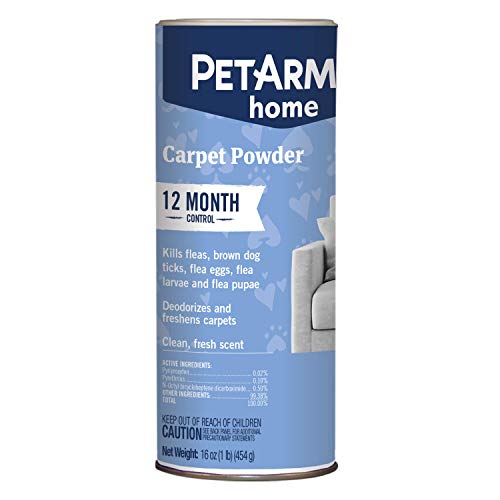
LONG-LASTING CONTROL: PETARMOR Home & Carpet Powder kills fleas, brown dog ticks, flea eggs, flea larvae, and flea pupae.
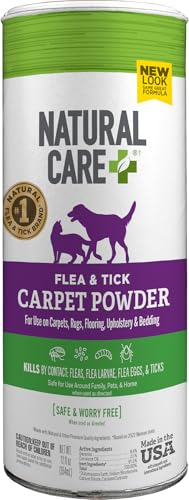
GENTLE PROTECTION: Natural Care+ Flea & Tick Carpet Powder provides a powerful yet gentle solution made with natural ingredients to kill fleas, flea eggs, and ticks by contact; Designed for pet-friendly homes that want effective, plant-based protection
Benefits Of Vacuuming After Treatment
- Removes Flea Eggs: Vacuuming targets flea eggs that might be hidden in fibers. It’s common for fleas to lay hundreds of eggs, so removing them decreases future populations.
- Eliminates Flea Larvae: Vacuuming disrupts the development of flea larvae, which thrive in dark environments. Removing larvae interrupts their growth cycle.
- Improves Treatment Effectiveness: Vacuuming aids in the effectiveness of treatments. It prepares your home by removing debris, allowing treatments to reach more surfaces.
- Destroys Habitats: Vacuuming removes places where fleas prefer to live, such as under furniture and in tight corners. It interrupts the cycle by reducing available habitats.
- Stimulates Flea Movement: When you vacuum, it disturbs flea nests. Fleas are more likely to jump out of hiding and be exposed to treatments.
- Reduces Population Growth: Frequent vacuuming lowers the chances of flea reproduction. Since fleas multiply rapidly, reducing their numbers helps keep infestations at bay.
Incorporate vacuuming into your post-treatment routine for maximum effectiveness. Aim for at least two to three times a week until you’re confident that fleas are gone.
How Often To Vacuum After Flea Treatment
Vacuuming plays a crucial role in controlling fleas after treatment. You should maintain a consistent vacuuming schedule to maximize the effectiveness of the treatment.
Recommended Vacuuming Schedule
Vacuum at least two to three times a week for optimal results. This frequency helps eliminate flea eggs and larvae that may linger in your carpets or upholstery. Ensure you vacuum all areas where pets spend time, including under furniture and around baseboards. Consider vacuuming daily for the first week post-treatment, especially in high-traffic areas. Empty the vacuum bag or canister immediately after each session to prevent fleas from escaping back into your home.
Factors Influencing Vacuuming Frequency
Several factors influence how often you should vacuum after flea treatment:
- Infestation Level: If the infestation was severe, you might need to vacuum more frequently initially.
- Pets in the Home: More pets can lead to a higher flea population, necessitating frequent vacuuming.
- Type of Flooring: Carpets and rugs trap more fleas compared to hardwood or tile floors, so adjust your schedule accordingly.
- Flea Life Cycle: Fleas reproduce quickly, so maintaining a regular vacuuming routine prevents population growth and breaks the flea life cycle.
Adjust your vacuuming frequency based on these factors to ensure effective flea control.
Tips For Effective Vacuuming
Effective vacuuming is key in the battle against fleas. Follow these tips to enhance your vacuuming routine after flea treatment.
Areas To Focus On
- Carpets and Rugs: Concentrate on high-traffic areas where pets spend time. Fleas often hide in fibers, so thorough cleaning here is essential.
- Upholstery: Vacuum couches, chairs, and other fabric surfaces. Fleas and their eggs can easily find their way into these areas.
- Baseboards and Corners: Don’t neglect baseboards and corners, as fleas can hide in these spaces. Use the vacuum nozzle attachment for better access.
- Pet Beds and Blankets: Vacuum pet bedding where fleas may linger. Washing these items helps, but vacuuming is crucial too.
- Floors and Hard Surfaces: If you have hardwood or tile floors, vacuum these areas regularly. Fleas can still hide in cracks and crevices.
- Use a HEPA Filter: Employ a vacuum with a HEPA filter to trap allergens and flea debris effectively. This prevents re-circulation in your home.
- Empty the Vacuum Bag/Canister: After each use, dispose of vacuum contents outside your home. This action prevents re-infestation from escaping fleas.
- Clean the Vacuum Regularly: Inspect and clean the vacuum parts frequently. Check for any trapped fleas or eggs to maintain effectiveness.
- Wear a Mask: Consider wearing a mask while vacuuming to avoid inhaling dust and allergens stirred up during the process.
- Secure Pets in a Safe Area: Keep pets away from areas being vacuumed during the process. This practice keeps them safe from stress and exposure to any chemicals.
Following these tips enhances your vacuuming efforts, ensuring a more effective approach to flea control after treatment.
Conclusion
Staying on top of your vacuuming routine after flea treatment is key to keeping those pesky critters at bay. By regularly vacuuming your home you’re not just cleaning up but actively working to disrupt the flea life cycle.
Remember to focus on all the nooks and crannies where fleas love to hide. Consistency is your best friend in this battle. With a little diligence and the right approach you can create a flea-free environment for you and your furry friends. Keep up the good work and enjoy a more comfortable home!
Frequently Asked Questions
What is the best way to eliminate fleas from my pet?
To eliminate fleas from your pet, consider using topical solutions, oral medications, or specific sprays. Consult your veterinarian for recommendations tailored to your pet’s needs. Regular treatment and prevention are essential for maintaining a flea-free environment.
How important is vacuuming for controlling fleas?
Vacuuming is crucial for controlling fleas as it removes eggs, larvae, and adult fleas from carpets, rugs, and upholstery. Frequent vacuuming helps reduce the flea population and enhances the effectiveness of other treatments applied.
When should I vacuum after flea treatment?
Post-treatment vacuuming should begin 24 hours after applying flea treatments. This helps remove any remaining eggs and larvae, improving the overall effectiveness of the treatment and preventing re-infestation.
What areas should I focus on when vacuuming for fleas?
Focus on high-traffic areas such as carpets, rugs, upholstery, baseboards, pet bedding, and hard surfaces. These spots are common breeding grounds for fleas and should be thoroughly cleaned to minimize infestations.
How can I improve my vacuuming techniques for flea control?
To enhance vacuuming for flea control, use a vacuum with a HEPA filter, empty it regularly, and clean its parts. Additionally, wear a mask and secure pets during vacuuming to create a safer and more effective cleaning environment.
