
Have you ever stared at your fish tank and noticed that the gravel looks more like a mud pit than a vibrant underwater landscape? It’s a common issue for many aquarium owners. While vacuuming is often the go-to solution, it’s not the only way to keep your tank looking pristine.
Key Takeaways
- Regular gravel cleaning is essential for maintaining water quality and ensuring a healthy environment for fish and plants in the aquarium.
- Effective gravel cleaning methods without a vacuum include manual sifting, water changes, and using nets or sieves for debris removal.
- Performing regular water changes (10-20% weekly) helps dilute pollutants while simultaneously flushing out debris from the gravel substrate.
- Introducing live plants in the tank can naturally reduce excess nutrients and help maintain cleaner gravel while enhancing the tank’s aesthetic.
- Consistent filter maintenance, such as cleaning or replacing media, is crucial to promote optimal water circulation and reduce waste buildup.
- Monitoring water parameters and avoiding overfeeding can further prevent debris accumulation, ensuring a thriving aquarium ecosystem.
Understanding the Importance of Gravel Cleaning
Gravel cleaning plays a crucial role in maintaining a healthy fish tank. Debris, uneaten food, and fish waste accumulate in the gravel, harming water quality. Healthy water supports thriving fish and plants.
Neglecting gravel cleaning can lead to deteriorating conditions. Poor water quality stresses fish, making them prone to illness. Regular gravel maintenance prevents the buildup of harmful substances, reducing the risk of infections.
Clean gravel enhances the tank’s visual appeal. Aesthetic tanks improve your enjoyment and can serve as natural decor in your home or office.
For effective gravel cleaning, consider these methods:
- Manual Sifting: Use your hands to sift through the gravel. This process removes debris without a vacuum.
- Water Change: During water changes, use a container to stir the gravel. This loosens debris for easier removal.
- Filter Maintenance: Clean your filter regularly. Clean filters reduce waste and improve water circulation.
- Plants: Introduce live plants. They absorb excess nutrients and help keep the gravel cleaner.
Staying consistent with gravel cleaning maintains a healthy ecosystem, ensuring a vibrant underwater landscape. Implement these strategies regularly to promote a clear, clean fish tank without relying solely on vacuuming.
Techniques to Clean Gravel Without a Vacuum
Cleaning gravel without a vacuum offers effective methods to maintain a healthy aquarium environment. Here are two practical techniques you can use to keep your tank clean and your fish happy.
Recommended Products
![QZQ Aquarium Gravel Cleaner [2026 Edition] Vacuum Fish Tank Vacuum Cleaner Tools for Aquarium Water Changer with Aquarium Thermometers Fish Net kit Use for Fish Tank Cleaning Gravel and Sand](https://m.media-amazon.com/images/I/51S+2N20RtL._SL500_.jpg)
Mufti-functional cleaning kit: Aquarium gravel vacuum cleaner kit is a mufti-functional aquarium cleaner that uses (adopts)the siphon design principle, which includes the aquarium, aquarium sand washing, algae scraping, fish excrement cleaning, aquarium residual debris, and aquarium water changing. Quick water change gives fish (provides)a clean and comfortable aquarium living environment.
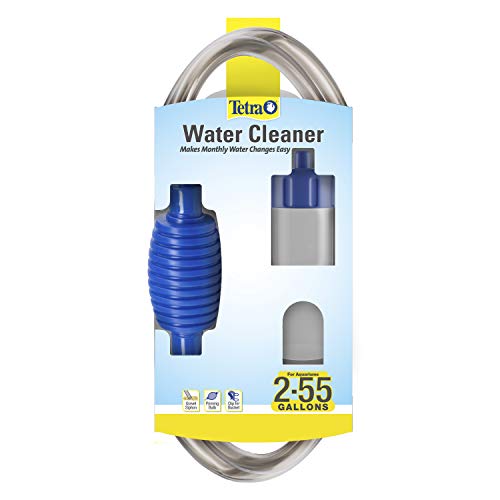
TETRA WATER CLEANER: Gravel siphon used to easily clean aquariums.

Safe & Fish-Friendly Design:Made of soft nylon mesh and smooth plastic handles, these nets prevent scratches or harm to delicate fish and newly hatched brine shrimp, ensuring stress-free tank maintenance.
Manual Removal of Debris
Manual debris removal involves a hands-on approach to cleaning gravel.
- Gather Supplies: Get a small bucket, a clean cloth, and a fishnet.
- Remove Decorations: Take out any aquarium decorations or plants that might obstruct your access to the gravel.
- Use Your Hands: Submerge your hands in the gravel. Sift through, and remove any visible debris like leftover food or waste.
- Collect Waste: Use your cloth to catch floating debris or employ your fishnet to scoop up larger particles from the surface.
- Dispose of Debris: Transfer collected debris from the bucket to a trash bag or compost.
Doing this once a week maintains a cleaner tank and ensures a healthier environment for your fish.
Using a Net or Sieve
Using a net or sieve can effectively clean gravel without a vacuum.
- Choose the Right Tool: Use a fine mesh net or a kitchen sieve. Ensure it’s clean and free from chemicals.
- Submerge the Tool: Gently push the net or sieve down into the gravel, allowing it to catch any debris as you lift it back up.
- Shake Out Debris: After lifting the net, shake it gently to dislodge any trapped waste particles.
- Rinse the Net: Rinse the net in a separate clean bucket of tank water to release collected debris. Avoid using tap water, as it may harm your fish.
- Repeat: Work in sections to ensure thorough cleaning.
Using a net or sieve once a week facilitates effective gravel maintenance, contributing to overall water quality.
Alternative Cleaning Methods
You can maintain clean gravel in your fish tank through several alternative methods. These techniques ensure a healthier environment for your fish without needing a vacuum.
Water Changes and Gravel Flushing
Water changes serve as a primary method for cleaning gravel. By replacing 10-20% of the tank water weekly, you dilute pollutants and improve overall water quality. During water changes, you can also flush the gravel. To do this effectively, pour fresh water over the gravel, disrupting the substrate and aiding in debris removal. Let the water flow until it runs clear, ensuring particles wash away. This method fosters a cleaner substrate and helps maintain optimal conditions for your fish.
Utilizing a Fish Safe Gravitational Filter
A fish safe gravitational filter efficiently aids in gravel cleaning. This filter design relies on gravity to draw water through gravel and a filtration medium. As water flows, suspended debris gets trapped in the filter, promoting a cleaner environment. To set this up, place the filter above the tank level. Connect a tubing system from the tank to the filter. Turn the filter on, and watch as it removes dirt and waste. Check the filter regularly to avoid clogs, and replace filter media as needed to ensure continued effectiveness.
Maintaining a Clean Tank Environment
Maintaining a clean tank environment is crucial for your fish’s health. Cleaning gravel supports overall water quality, reducing harmful toxins. Here are effective techniques to keep your gravel tidy without using a vacuum.
Regular Water Changes
Regular water changes play a vital role in maintaining water quality. Aim to change 10-20% of the water weekly. When you change the water, use a gravel sifting method. Stir the gravel gently using your hand or a clean tool to loosen debris. As water leaves the tank, pollutants will get removed along with it.
Manual Debris Removal
Manual debris removal offers direct control over gravel cleanliness. Use a cloth, your hands, or a fishnet to scoop out visible debris, such as uneaten food and plant debris. Ensure your tools are clean and safe for fish. This process can be done during your weekly maintenance routine.
Gravel Flushing Technique
The gravel flushing technique helps clean hidden particles. Turn off the filter and place a container beneath the gravel area. Pour water over the gravel to dislodge debris. Allow the dirty water to flow into the container while fresh water fills the tank. This method effectively clears out waste.
Using a Fish-Safe Gravitational Filter
A fish-safe gravitational filter aids in debris removal without causing stress to your fish. This filter draws water through the gravel, capturing small particles in a filtration medium. Install the filter according to manufacturer instructions. Replace the filter media regularly to ensure effective debris capture.
Introducing Live Plants
Introducing live plants enhances the tank’s ecosystem. Plants absorb excess nutrients and provide hiding spots for fish. They reduce algae growth and help maintain crystal-clear water. Consider fast-growing species like Java moss or Anubias for optimal results.
- Check Filter Media: Clean or replace filter media as necessary. Clogged filters can hinder water flow and degrade water quality.
- Monitor Water Parameters: Regularly test water pH, ammonia, and nitrate levels. Keeping these parameters stable promotes a healthy environment.
- Avoid Overfeeding: Feed fish only what they can consume within a few minutes. This prevents uneaten food from polluting the gravel.
Implementing these methods consistently promotes a clean and thriving fish tank environment.
Conclusion
Keeping your gravel clean doesn’t have to be a chore. With a few simple techniques you can maintain a healthy environment for your fish. Manual sifting and regular water changes work wonders in removing debris. Plus adding live plants not only beautifies your tank but also helps with filtration.
By incorporating these methods into your routine you’ll ensure your fish tank stays vibrant and clean. Remember to keep an eye on your water parameters and avoid overfeeding to support your underwater ecosystem. Happy fishkeeping!
Frequently Asked Questions
Why is cleaning aquarium gravel important?
Cleaning aquarium gravel is essential to maintain good water quality and ensure the health of your fish. Debris buildup can lead to harmful toxins, impacting fish well-being. Regular cleaning promotes a clean and thriving tank environment.
How often should I clean my aquarium gravel?
You should clean your aquarium gravel every 2 to 4 weeks, depending on your fish load and plant density. Regular maintenance helps prevent debris accumulation and supports a stable aquatic ecosystem.
What are some effective methods for cleaning gravel?
Effective methods include manual sifting, using a gravel vacuum, performing water changes, and maintaining your filter. You can also remove debris manually with hands or a fishnet and regularly introduce live plants to aid in cleaning.
Can I clean aquarium gravel without a vacuum?
Yes, you can clean aquarium gravel without a vacuum. Techniques include manual debris removal using your hands or a cloth, utilizing a net to catch debris, and flushing gravel with water to dislodge waste, ensuring a clean environment.
How do live plants help in maintaining gravel cleanliness?
Live plants enhance the aquarium ecosystem by absorbing waste products and providing oxygen. They also help reduce algae growth, which keeps the gravel cleaner and promotes overall fish health.
What should I monitor to maintain a clean fish tank?
Monitor water parameters such as ammonia, nitrite, nitrate, and pH levels. Regular filter media replacement, avoiding overfeeding, and maintaining a consistent cleaning schedule are crucial for a clean, healthy fish tank environment.

