
Have you ever looked at your pool and wondered how to get rid of all that dirt and debris? Keeping your pool clean can feel like a chore, but it doesn’t have to be. If you have a sand filter, vacuuming your pool is easier than you might think.
Key Takeaways
- Understand Sand Filters: Sand filters effectively trap dirt and debris through layers of sand, making pool maintenance easier and keeping water clean.
- Preparation is Key: Gather essential equipment like a vacuum head, telescopic pole, and vacuum hose, and ensure your pool’s water levels and chemistry are balanced before starting.
- Correct Vacuuming Steps: Follow the proper steps of connecting your vacuum, adjusting the sand filter to ‘Filter’ mode, and monitoring pressure to optimize cleaning.
- Use Effective Techniques: Employ strategies such as vacuuming from the deep end, using an S-lane pattern, and moving slowly to enhance debris removal efficiency.
- Regular Maintenance: Regularly check for clogs, clean the skimmer basket, and backwash the filter to maintain optimal suction and pool cleanliness.
Understanding Sand Filters
Sand filters play a crucial role in keeping your pool clean. They operate by using sand as a filtration medium to remove dirt, debris, and impurities from the water.
Recommended Products

Valve Part Type: Decal

Will NOT fit other brands, ONLY fits some Waterway Plastics Carefree or ClearWater Sand Filters
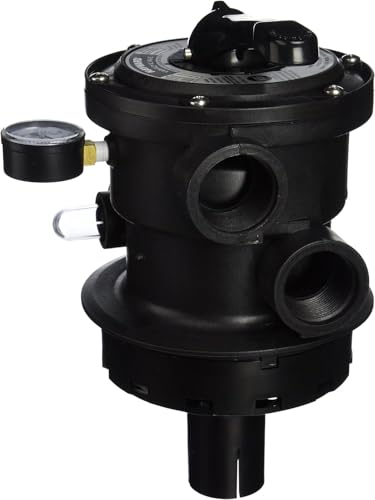
7‑Position Vari‑Flo Control Valve – Includes Filter, Backwash, Rinse, Waste, Recirculate, Closed, and Winterize functions for complete, year‑round pool filtration and service flexibility.
How Sand Filters Work
Sand filters contain a tank filled with special-grade sand. Water from the pool enters the filter and passes through the sand layers. As water flows through, dirt and particles get trapped in the sand, allowing only clean water to return to the pool. You can clean the sand filter by backwashing—reversing the flow of water—removing the accumulated debris and restoring its efficiency.
Benefits of Using Sand Filters for Pool Maintenance
Using sand filters provides several advantages for pool maintenance:
- Low Maintenance: Sand filters require minimal upkeep. You only need to replace the sand every 3–5 years.
- Cost-Effective: Sand filters have a lower initial purchase cost compared to other filter types and are energy-efficient.
- Effective Filtration: Sand filters can capture particles as small as 20 microns, ensuring clean pool water.
- Ease of Use: Operating a sand filter is straightforward. With a multiport valve, you can switch between filter, backwash, rinse, and waste modes effortlessly.
Utilizing sand filters can streamline the vacuuming process, making it easier and more efficient to keep your pool sparkling clean.
Preparing to Vacuum
Before vacuuming your pool, some essential preparations ensure an effective cleaning process. These steps help create an optimal environment for vacuuming and ensure your sand filter operates efficiently.
Gathering Necessary Equipment
Gather the following equipment for vacuuming your pool:
- Vacuum Head: Choose a vacuum head designed specifically for pool cleaning.
- Telescopic Pole: Attach the vacuum head to a telescopic pole to reach all areas of the pool.
- Vacuum Hose: Select a vacuum hose long enough to reach from the pool’s deepest point to the skimmer or pump.
- Brushing Equipment: Use pool brushes to remove debris from the pool walls before vacuuming.
- Skimmer Net: Remove floating debris with a skimmer net prior to vacuuming.
Ensure all equipment is clean and ready for use. A well-prepared setup minimizes the cleaning time and maximizes effectiveness.
Testing and Adjusting Water Levels
Check your pool’s water level before vacuuming. The ideal level is approximately halfway up the skimmer opening. To adjust:
- Add Water: If the water level is too low, fill the pool until it reaches the desired point.
- Drain Water: If the water level is too high, use a submersible pump or the pool’s drain feature to lower it.
Testing pH and chlorine levels matter, too. Ensure the water chemistry is balanced for optimal filter performance. A reading of pH between 7.2 and 7.6 and chlorine levels between 1-3 ppm are ideal. Adjustments can enhance filtration efficiency during vacuuming.
Steps to Vacuum a Pool with Sand Filter
Vacuuming your pool with a sand filter requires a few straightforward steps. Following the correct procedure ensures optimal cleaning and filter performance.
Connecting the Vacuum to the Sand Filter
- Gather Equipment: Get your vacuum head, telescopic pole, and vacuum hose ready.
- Connect the Vacuum Head: Attach the vacuum head to the end of the telescopic pole.
- Attach the Vacuum Hose: Connect one end of the vacuum hose to the vacuum head and the other end to the skimmer or dedicated vacuum port.
- Prime the Hose: Submerge the vacuum head and hose fully in the pool water to eliminate air. This creates suction when you start the pump.
Setting the Sand Filter to the Correct Mode
- Adjust the Filter Valve: Locate the multiport valve on your sand filter.
- Select ‘Filter’ Mode: Set the valve to the ‘Filter’ option. This mode allows the sand filter to catch debris while you vacuum.
- Check the Pressure Gauge: Ensure the pressure gauge is in the normal range. If it’s too high, backwash the filter before starting.
- Turn On the Pump: Power on the filter pump.
- Start Vacuuming: Move the vacuum head across the pool floor in overlapping strokes.
- Focus on Areas with Debris: Spend extra time on corners and steps where dirt gathers.
- Monitor the Filter Pressure: Keep an eye on the pressure gauge during vacuuming. If the pressure rises significantly, backwash the filter to restore flow.
Following these steps ensures effective pool maintenance and helps keep your water clear and clean.
Tips for Effective Vacuuming
Effective vacuuming requires attention to detail and proper technique. Follow these tips to enhance your pool cleaning process.
Techniques for Better Debris Removal
- Start from the Deep End: Begin vacuuming at the deep end, working towards the shallow end. This method ensures debris gets pushed towards the filter.
- Use a S-Lane Pattern: Move the vacuum in an S-shaped pattern. This technique maximizes suction and helps capture more debris.
- Go Slow: Maintain a slow and steady pace. Rapid movements can stir up debris rather than collect it.
- Overlap Passes: Slightly overlap each pass. This strategy prevents leaving unvacuumed areas.
- Check for Clogs Frequently: Inspect the hose and filter regularly for clogs. Clear any obstructions to maintain optimal suction.
- Skipping the Prep Steps: Always ensure the pool surface is clear of large debris before vacuuming. This action prevents damage to the vacuum.
- Failing to Adjust the Filter Settings: Check filter settings before starting. Using the wrong mode can lead to ineffective cleaning.
- Ignoring the Pressure Gauge: Keep an eye on the pressure gauge. If it rises too high, clean the filter to ensure proper performance.
- Rushing the Process: Don’t rush through the vacuuming. Take the necessary time to ensure thorough cleaning.
- Not Emptying the Skimmer Basket: Empty the skimmer basket before starting. A full basket can impede vacuum performance.
Conclusion
Vacuuming your pool with a sand filter doesn’t have to be a daunting task. By following the right techniques and tips you can keep your pool sparkling clean. Remember to take your time and pay attention to the details like filter settings and pressure gauges.
With a little practice you’ll find that maintaining your pool becomes easier and more enjoyable. A clean pool not only looks great but also ensures a safe swimming environment for you and your loved ones. So grab your vacuum and get started on that refreshing swim!
Frequently Asked Questions
What are the benefits of using sand filters for pools?
Sand filters simplify pool maintenance by effectively removing impurities, are low maintenance, cost-effective, and filter water down to 20 microns, ensuring clear and clean pool water.
How do I vacuum my pool with a sand filter?
To vacuum effectively, start from the deep end, use an S-lane pattern, maintain a slow pace, overlap your passes, and check for clogs regularly for the best results.
What should I avoid when vacuuming with a sand filter?
Avoid skipping prep steps, neglecting filter setting adjustments, ignoring the pressure gauge, rushing the process, and forgetting to empty the skimmer basket before vacuuming.
How often should I clean my sand filter?
Typically, you should clean your sand filter every 4 to 6 weeks. However, this depends on pool usage and environmental factors. Regular monitoring will help maintain optimal performance.
Can sand filters remove algae from the pool?
Yes, sand filters are effective at removing algae when combined with proper chemical treatment. They capture debris and particulates that contribute to algae growth, ensuring a clean pool.
How long does a sand filter last?
A well-maintained sand filter can last 5 to 10 years. Regular maintenance, such as replacing the sand every 3 to 5 years, can extend its lifespan significantly.
