
Have you ever found ants marching across your kitchen floor and wondered if vacuuming them up would do the trick? You’re not alone. Many people face the hassle of dealing with these tiny invaders and might think that a quick sweep with the vacuum is the easiest solution.
Key Takeaways
- Vacuuming can immediately remove visible ants but may not eliminate the entire colony, as eggs and larvae can remain behind.
- Combining vacuuming with other control methods, such as ant baits or insecticides, enhances overall effectiveness in managing ant invasions.
- Natural remedies like essential oils and diatomaceous earth can serve as eco-friendly alternatives for repelling or killing ants.
- Implementing exclusion techniques, such as sealing entry points, can prevent future ant infestations and protect your home.
- For severe infestations, professional pest control services can provide targeted treatments tailored to effectively eliminate ants and their nests.
Overview of Ant Control Methods
Understanding various methods of ant control can help you effectively manage ant invasions. Here’s a breakdown of common strategies.
Recommended Products

ATTRACTS & KILLS: TERRO liquid ant baits indoor effectively target and eliminate common household ants, including acrobat, crazy, ghost, little black, odorous house, pavement, and other sweet-eating ants
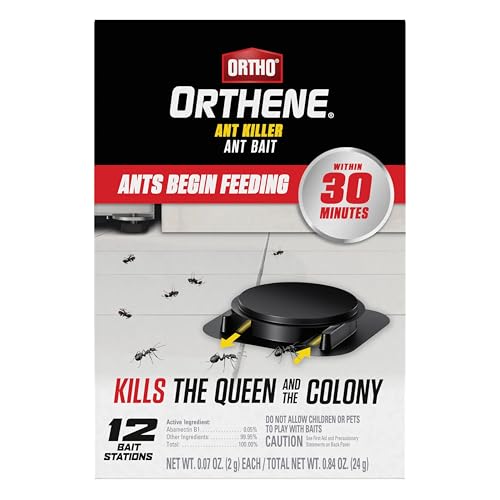
KILL ANTS AND THE QUEEN: Ortho Orthene Ant Killer Ant Bait solves ant problems by killing the queen and the colony; not labeled for use against fire, carpenter, and harvester ants

EFFECTIVE ANT ELIMINATION: Terro outdoor liquid ant baits attract and kill a variety of common household ants, including acrobat, crazy, ghost, and little black ants
1. Vacuuming
Vacuuming effectively removes visible ants from surfaces and some can die in the vacuum bag. However, this method only addresses the immediate problem, leaving behind potential nest sources. Vacuuming works best when combined with other strategies.
2. Baits
Ant baits attract worker ants, which carry poisoned food back to the colony. This process can significantly reduce the population over time. Place baits near trails and entry points for optimal results.
3. Insecticides
Insecticides provide a quick solution for high populations. These products come in various forms, including sprays and granules. Apply insecticides as directed to avoid harming beneficial insects.
4. Natural Remedies
Natural remedies like diatomaceous earth or essential oils repel or kill ants without harmful chemicals. Sprinkle diatomaceous earth in areas where ants appear. Essential oils like peppermint can create a barrier.
5. Exclusion Techniques
Sealing entry points prevents ants from entering your home. Inspect windows, doors, and cracks for vulnerabilities. Regular maintenance and cleanliness deter ants from establishing nests indoors.
6. Professional Extermination
When infestations become severe, hiring a pest control professional may be necessary. They can identify the species, locate nests, and implement effective removal strategies tailored to your situation.
Each method has its strengths and weaknesses. Consider combining several approaches for a comprehensive plan to tackle ant infestations.
Vacuuming Ants: A Common Approach
Vacuuming ants represents a popular method for managing ant invasions. Quick and easy, this technique can offer immediate results, but understanding its effectiveness is key.
How Vacuuming Works
Vacuuming removes ants from their environment swiftly. A vacuum cleaner can suction them directly from floors, countertops, and other surfaces. The enclosed environment of the vacuum can trap ants, preventing their escape. For best results, use a vacuum with a hose nozzle to target specific areas. Empty the vacuum contents outside promptly to avoid potential reinfestation.
Effects on Ant Population
Vacuuming affects ant population control in several ways. While it eliminates visible ants temporarily, it often doesn’t address the colony itself. Adult ants may die inside the vacuum, but eggs and larvae usually remain. If not treated, these young ants can mature and lead to new infestations. Combine vacuuming with other methods like baits or insecticides for a more effective strategy.
Does Vacuuming Ants Kill Them?
Vacuuming ants can lead to immediate results, but its effectiveness in eliminating the entire colony is questionable. Here’s a closer look at the impact of this method.
Immediate Impact
Vacuuming removes visible ants quickly. When you suck up ants, you eliminate them on contact, providing instant relief from an infestation. Most vacuum cleaners trap the ants in a dustbin or bag, preventing their escape. For instance, if you’re facing a few ants on your kitchen counter, a quick vacuum can clear them away in seconds. However, it doesn’t kill every ant, especially if they are hidden or on their way to the nest.
Long-term Consequences
While vacuuming provides immediate relief, it may not solve the problem entirely. Vacuuming fails to address the queen and the colony’s eggs, which can lead to a resurgence of ants. You might find the ants returning shortly after cleaning. Combining vacuuming with other methods, like ant baits or insecticides, ensures more comprehensive control. For best results, target the nest along with regular vacuuming to prevent new infestations.
Alternatives to Vacuuming
Several effective alternatives to vacuuming ants exist. These methods can control ant populations without the drawbacks of merely removing visible specimens.
Natural Ant Deterrents
Natural deterrents offer eco-friendly solutions for managing ants. Essential oils, such as peppermint, tea tree, and citrus oils, can repel ants. To use them, mix a few drops with water in a spray bottle and mist areas where ants appear. Vinegar acts similarly; a 50-50 solution of vinegar and water sprayed on surfaces disrupts ant trails. Additionally, diatomaceous earth, a fine powder, can be sprinkled around entry points. The abrasive nature of this substance damages ants’ exoskeletons, ultimately leading to dehydration.
Professional Pest Control
Professional pest control services provide targeted treatments that effectively eliminate ants. Experts identify and address the root of infestations, including locating nests. Treatments can include baiting systems and insecticides designed for long-lasting results. Always discuss your concerns and ask for eco-friendly options if needed. Many pest control companies offer free inspections and consultations, helping you choose the best approach for your situation.
Conclusion
Vacuuming ants can give you a quick fix but it’s not a one-size-fits-all solution. To really tackle the problem you’ll want to think about a mix of methods. Combining vacuuming with baits or natural deterrents can lead to better results.
If you’re feeling overwhelmed don’t hesitate to reach out to pest control professionals. They can help you find the best approach tailored to your situation. Remember you have options and with the right strategy you can reclaim your space from those pesky ants.
Frequently Asked Questions
Can vacuuming ants effectively control an infestation?
Vacuuming ants can remove them quickly, but it doesn’t eliminate the whole colony. It’s an immediate solution but should be paired with other methods like ant baits or insecticides for better control.
What natural alternatives can help deter ants?
Natural deterrents such as essential oils, vinegar, and diatomaceous earth can repel ants. These options are less toxic and can contribute to managing infestations when used alongside other methods.
Why should I consider professional pest control services?
Professional pest control services specialize in locating ant nests and using effective baiting systems and insecticides. They offer targeted treatments that can provide long-lasting results and might include eco-friendly options.
How can I choose the best pest control method for my situation?
Consider discussing your situation with pest control experts who can provide personalized recommendations. Many companies offer free inspections, allowing them to assess your property and suggest the most effective approach.
