
Do you find yourself wondering how often you should vacuum your bedroom? It’s easy to overlook this task amid a busy schedule, but keeping your space clean can significantly impact your health and comfort. Dust, allergens, and pet hair can accumulate quickly, making a regular vacuum routine essential.
Imagine waking up in a fresh, clean room, free from dust bunnies and clutter. Not only does it feel great, but it can also help you breathe easier and sleep better. This article will guide you through the best practices for vacuuming your bedroom, helping you strike the perfect balance between cleanliness and convenience. You’ll discover tips that fit your lifestyle and keep your sanctuary in top shape.
Key Takeaways
- Regular vacuuming is essential for maintaining a clean and healthy bedroom environment, significantly impacting air quality and well-being.
- Vacuuming once a week is generally recommended for average households, while pet owners should vacuum at least twice a week to manage shedding and allergens.
- For individuals with allergies or respiratory issues, vacuuming every few days can provide better relief from dust and allergens.
- Implement effective vacuuming techniques such as working in sections, using appropriate attachments, and moving at a slow speed for optimal results.
- The choice of vacuum cleaner should align with your flooring type and personal preferences, considering factors like weight, filter type, and power source.
Importance Of Vacuuming Bedroom
Vacuuming your bedroom is crucial for maintaining a clean and healthy environment. Accumulation of dust, allergens, and pet hair occurs quickly in this space. Regular vacuuming directly impacts your air quality and overall well-being.
Health Benefits
Breathing issues can arise from dust, pollen, and pet dander lodged in carpets and upholstery. Regular vacuuming reduces these irritants, promoting easier breathing. This can significantly improve sleep quality and reduce allergy symptoms.
Hygiene Improvement
Vacuuming eliminates bacteria and dust mites that thrive in your bedroom. Reducing these microorganisms leads to better hygiene and a lower risk of infections. It’s essential for anyone with allergies or sensitive skin.
Comfort and Aesthetic
A clean bedroom feels inviting and relaxing. Regular vacuuming removes unsightly pet hair, crumbs, and debris. This creates a more comfortable atmosphere, enhancing your ability to unwind and rest.
Frequency Guidelines
Vacuuming frequency can depend on several factors:
- General Use: For standard bedrooms, vacuuming once a week is ideal.
- Pets: If you have pets, aim for vacuuming at least twice a week to manage hair and allergens.
- Allergies: If allergies are a concern, vacuuming every few days can provide additional relief.
By understanding the importance of vacuuming, you can keep your bedroom a sanctuary for rest and relaxation.
Recommended Frequency
Maintaining a clean bedroom requires understanding the right vacuuming frequency based on specific factors. Here’s a breakdown to help you determine how often to vacuum your space.
Daily Vacuuming
Daily vacuuming is ideal for high-traffic bedrooms or homes with pets. If you have pets, fur accumulates quickly, making daily attention necessary. You can use a hand-held vacuum or a lightweight option for quick clean-ups. Focus on high-traffic areas and spots where your pet rests for effective results.
Weekly Vacuuming
Weekly vacuuming suits most households. This routine effectively captures dust, allergens, and dirt that build up over time. Move furniture occasionally to vacuum under and around it. Incorporate vacuuming baseboards and edges, as these areas often collect dust.
Monthly Vacuuming
Monthly vacuuming serves as a deep clean. During this time, pay attention to overlooked areas like behind the bed or inside closets. Consider using an attachment to tackle curtains and upholstery, removing accumulated dust. Performing this task ensures your bedroom remains a healthy environment over time.
Factors Influencing Vacuuming Frequency
Several factors influence how often you should vacuum your bedroom. These include pet ownership, allergies and health conditions, and lifestyle considerations. Understanding these elements helps you maintain a cleaner, healthier environment.
Recommended Products

【High-Efficiency Deep Cleaning】Our UV mattress vacuum cleaner features a powerful 500W motor, providing 16kPa of strong suction and 30,000 RPM high-frequency tapping. It penetrates deeply into mattresses and fabric layers, effectively removing fine dust, skin flakes. Keep your mattress and sofa consistently fresh and clean, creating a healthier sleep environment and allowing you to enjoy a healthier home life. (NOTE: Not suitable to absorb pet hair)
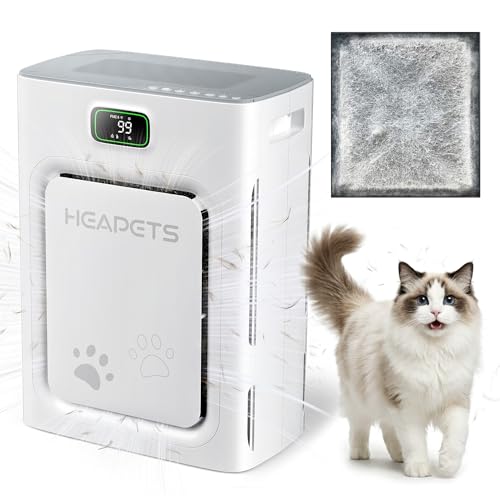
U Shape Air Inlet, No Hair Stuck: Traditional grid or hole inlets easily clog with pet hair. In Pet Mode, our HEAPETS P358 uses a powerful U-shaped inlet and a pet-specific static pre-filter to quickly and firmly adsorb pet floating hair like dog hair, cat hair, pet dander etc., and prevent floating hair from being re-released into the air and causing secondary pollution.(Note: For heavy accumulation of pet hair on floors or fabric surfaces, we suggest using other cleaning products.)

❀ and long lasting, our replacement filter sponges are designed to ovide excellent filtration performances. Made with high quality materials, they consistent and filtering for extended periods.
Pet Ownership
Pet ownership significantly impacts vacuuming frequency. Pets shed fur and dander, contributing to allergens and dirt in your bedroom. If you own a pet, vacuuming daily or every other day is beneficial. Make use of a vacuum with a HEPA filter to effectively capture pet hair and allergens. Regular cleaning prevents build-up and makes it easier to maintain a clean space.
Allergies and Health Conditions
Allergies and specific health conditions require increased attention to cleanliness. If you or someone in your household suffers from allergies, vacuuming at least twice a week is essential. This practice reduces dust, pollen, and other allergens. Consider using a vacuum equipped with a HEPA filter for maximum effectiveness. For individuals with respiratory conditions, frequent vacuuming can improve air quality and overall well-being.
Lifestyle Considerations
Your lifestyle also affects how often you should vacuum. High-traffic areas and busy schedules call for more frequent cleaning. If you often wear shoes indoors or have children who play in the room, vacuuming at least once a week is advisable. For quieter environments, like guest bedrooms used occasionally, twice a month may suffice. Assessing your daily habits helps determine the right vacuuming frequency for your space.
Best Practices For Vacuuming
Regular vacuuming keeps your bedroom fresh and healthy. Follow these best practices to ensure an effective cleaning routine.
Techniques for Effective Vacuuming
- Vacuum in Sections: Break your bedroom into smaller sections. This method helps cover every area without overlooking spots like corners or under the bed.
- Use the Right Attachments: Utilize brush tools for carpets, crevice tools for tight spaces, and upholstery attachments for furniture. Change tools based on the surface being cleaned.
- Maintain a Slow Speed: Move the vacuum slowly across surfaces. This technique allows the vacuum to pick up more dirt and allergens.
- Vacuum Floor to Ceiling: Start at the highest point, like shelves, and move downward. Dust and debris will fall to the floor, allowing for more effective cleaning as you vacuum.
- Overlap Passes: Overlap each vacuum pass by about 50%. This method ensures you don’t miss areas and achieves a thorough clean.
- Consider Your Flooring: Choose a vacuum that suits your flooring type. For carpet, select a vacuum with strong suction and rotating brushes. For hard floors, consider models with soft bristles to avoid scratches.
- Check Filter Types: Opt for vacuums with HEPA filters if allergies are a concern. These filters capture small particles, improving air quality.
- Look for Lightweight Models: Lightweight vacuum cleaners are easier to maneuver. If you frequently clean your bedroom, this feature reduces fatigue.
- Assess Bagged vs. Bagless: Bagged vacuums typically trap allergens better, while bagless options offer convenience. Choose based on your preferences and cleaning needs.
- Explore Corded vs. Cordless: Corded vacuums usually provide consistent power, while cordless models offer flexibility. Determine which feature works best for your lifestyle.
Conclusion
By keeping up with a regular vacuuming routine you’re not just maintaining a tidy space but also promoting a healthier environment. Tailoring your vacuuming frequency to your specific needs makes a big difference in air quality and comfort.
With a few simple techniques and the right equipment you can make your cleaning sessions more effective and efficient. So grab your vacuum and enjoy the fresh feel of a clean bedroom. You deserve it!
Frequently Asked Questions
Why is regular vacuuming important for my bedroom?
Regular vacuuming helps remove dust, allergens, and pet hair that can affect air quality and overall health. By maintaining a clean environment, you can reduce breathing issues, improve sleep quality, and minimize allergy symptoms.
How often should I vacuum my bedroom?
Vacuuming frequency depends on factors like room usage, presence of pets, and allergies. Generally, it’s recommended to vacuum at least once a week, but you may need to do it more often if you have pets or severe allergies.
What are the best techniques for effective vacuuming?
To vacuum effectively, move in sections to cover all areas, use appropriate attachments for different surfaces, maintain a slow speed for thorough cleaning, and vacuum from floor to ceiling to capture dust and debris.
Which vacuum should I choose for my bedroom?
Consider factors like flooring type (carpet or hard floors), vacuum weight, filter types, and whether you prefer bagged or bagless models. Corded vacuums generally offer more power, while cordless models provide flexibility.
How can vacuuming improve my sleep quality?
A clean bedroom reduces allergens and dust particles, promoting better air quality. This can lead to improved breathing, less disruption during the night, and ultimately, a more restful sleep experience.
